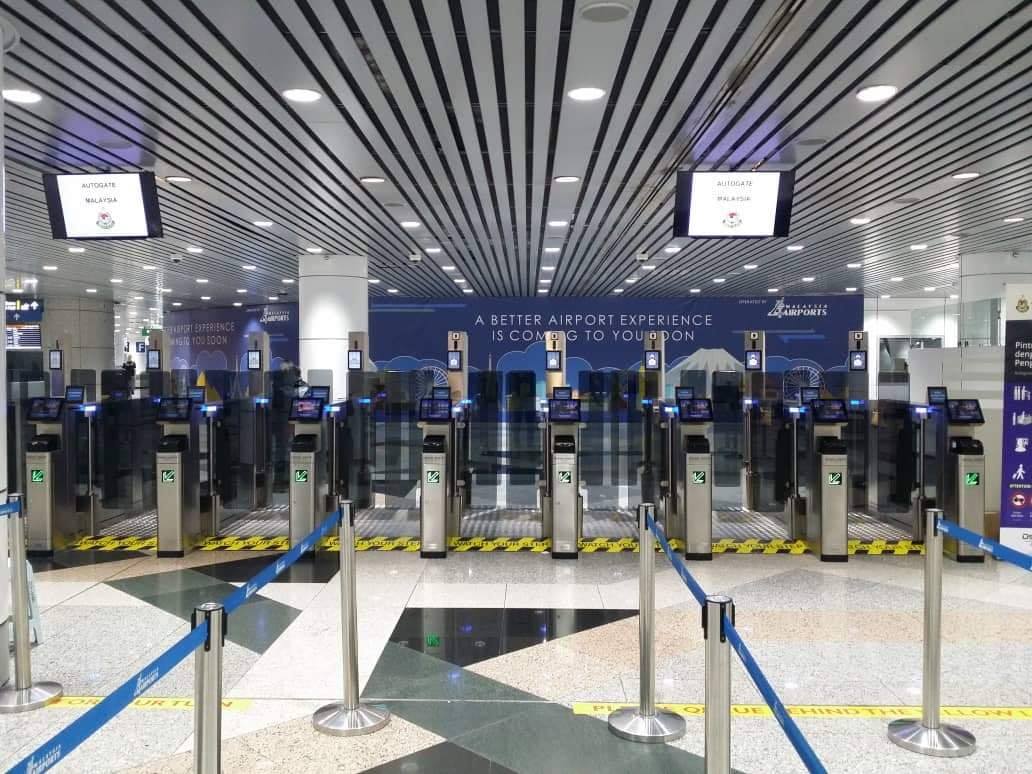
More than 16,800 individuals in Malaysia were subject to travel restrictions between January and May 2025, following enforcement action by the Inland Revenue Board (IRB). The bans were issued due to outstanding tax payments totalling RM1.2 billion.
This action forms part of the IRB’s ongoing efforts to strengthen tax compliance and reduce the government’s exposure to uncollected tax revenue.
Tax Compliance Measures Under Review by Public Accounts Committee
The update was included in a follow-up report released by the Public Accounts Committee (PAC), which focused on tax collection and receivables and drew from the Auditor General’s Report 3/2024, which reviewed the Federal Government’s Financial Statements for 2023.
PAC reported that tax receivables stood at RM34.59 billion at the end of 2023, marking a 14.3 percent reduction from RM40.39 billion in 2022. This decrease was largely attributed to tax write-offs and downward reassessments carried out during the year.
Five Key Areas for Reform to Strengthen Tax Collection
In its findings, PAC recommended five primary areas for improvement. These include enforcing more timely tax collection, improving audit and assessment practices to reduce appeals, and introducing stronger legal measures to prevent tax leakage and fraud.
The committee also called for better transparency and regular updates on the national e-invoicing rollout, as well as enhanced public education to support voluntary compliance, particularly among businesses and individuals in the expanding digital economy.
IRB Confirms Steps Already Taken to Improve Compliance
In response, the IRB reported that several enforcement measures are already in place. These include operational sweeps to locate delinquent taxpayers, the use of automated systems to issue tax arrears notices, and the option of instalment payment plans for overdue amounts.
Travel restrictions remain one of the board’s tools for encouraging settlement of outstanding tax obligations.
e-Invoicing Expands to Support Broader Tax Administration Goals
The e-invoicing initiative is also progressing. Since its launch in August 2024, the IRB has processed and validated over 283 million e-invoices involving nearly 29,000 taxpayers. In March 2025, the government introduced the MyInvois e-POS system, a no-cost solution designed to support micro, small, and medium enterprises in meeting e-invoicing requirements.
The system aims to improve digital integration in tax reporting and reduce compliance burdens for smaller businesses.
Greater Public Awareness Needed, Especially in the Digital Sector
To support voluntary compliance, PAC has urged the IRB to expand outreach and education efforts. This includes running awareness programmes, partnering with e-commerce platforms, and publishing up-to-date guidance materials.
The committee stressed that timely implementation of its recommendations is critical to reducing tax arrears and protecting public revenue.
Follow us on our WhatsApp Channel for the latest money tips and updates.
Samuel writes about personal finance and financial news, focusing on how banking updates, policies, and promotions affect everyday money decisions. He enjoys making complicated financial topics easier to follow. Outside of writing, he spends his time watching TV shows and occasionally convincing himself he will only watch one episode.
Samuel writes about personal finance and financial news, focusing on how banking updates, policies, and promotions affect everyday money decisions. He enjoys making complicated financial topics easier to follow. Outside of writing, he spends his time watching TV shows and occasionally convincing himself he will only watch one episode.
We provide weekly updates on every Friday at 5pm on the prices of RON95, RON97 and Diesel in Malaysia and a chart that shows the movement of fuel prices across a 6-week period. Bookmark this page now!






Comments (0)