Rising global oil prices may start to affect everyday costs in Malaysia, as tensions in the Middle East continue to disrupt energy markets.
The Consumers Association of Penang said the conflict involving Iran, which began on 28 February, has increased uncertainty in global oil supply and pricing. While fuel prices locally remain stable for now, the broader impact may still be felt through other areas of spending over time.
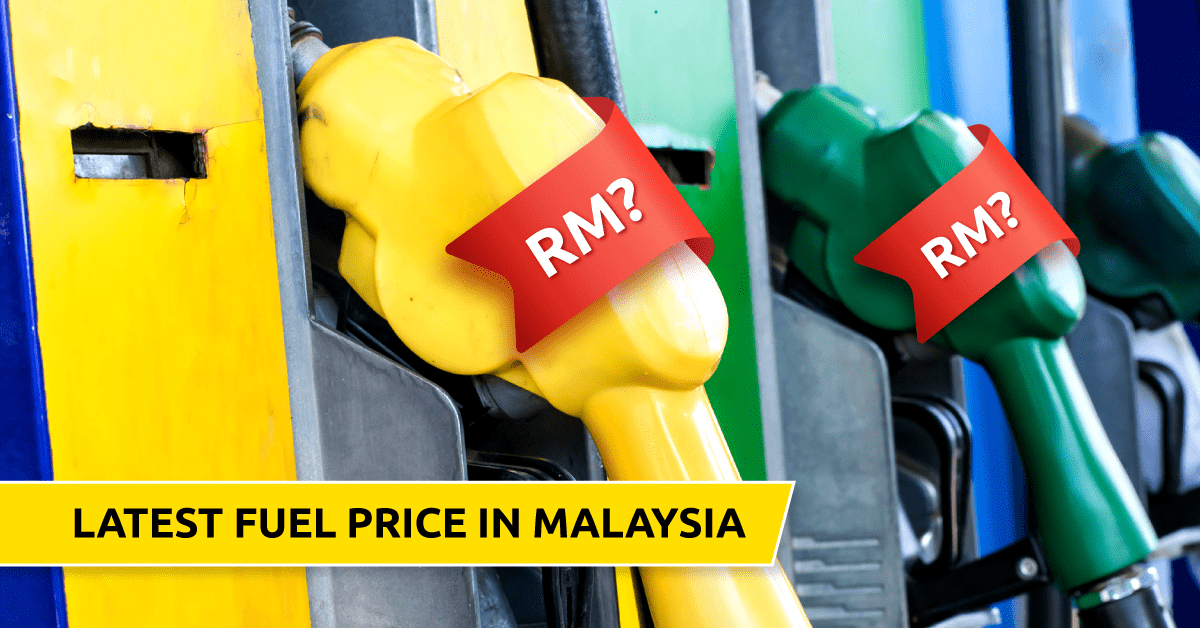
Malaysia’s RON95 petrol price remains fixed at RM1.99 per litre under the BUDI Madani subsidy programme.
At the same time, underlying market prices have been rising. Estimates showed RON95 at RM2.59 per litre in late February, increasing to RM3.27 within less than two weeks as tensions escalated.
This gap between market and retail prices is currently covered by government subsidies, which is why what you pay at the pump has not changed.
Rising Subsidy Costs May Pressure Public Finances
As global oil prices increase, the gap between market prices and the subsidised rate continues to widen.
This means the government needs to absorb higher subsidy costs to maintain current fuel prices. While this helps limit immediate increases, it also raises overall spending if global prices remain elevated.
The government has said it will continue maintaining the RON95 price to shield Malaysians from global fuel price increases.
Malaysia Still Depends On Imported Fuel Supply
Malaysia produces oil, but still relies on imported crude and refined petroleum products due to limits in domestic refining capacity.
Because of this, global supply disruptions can still affect local costs. The Strait of Hormuz, a key global oil route that carries about 20 per cent of seaborne oil trade, remains especially important.
Any disruption along this route could increase transportation costs and tighten supply, adding further pressure to global prices.
Higher Oil Prices Can Affect Broader Costs
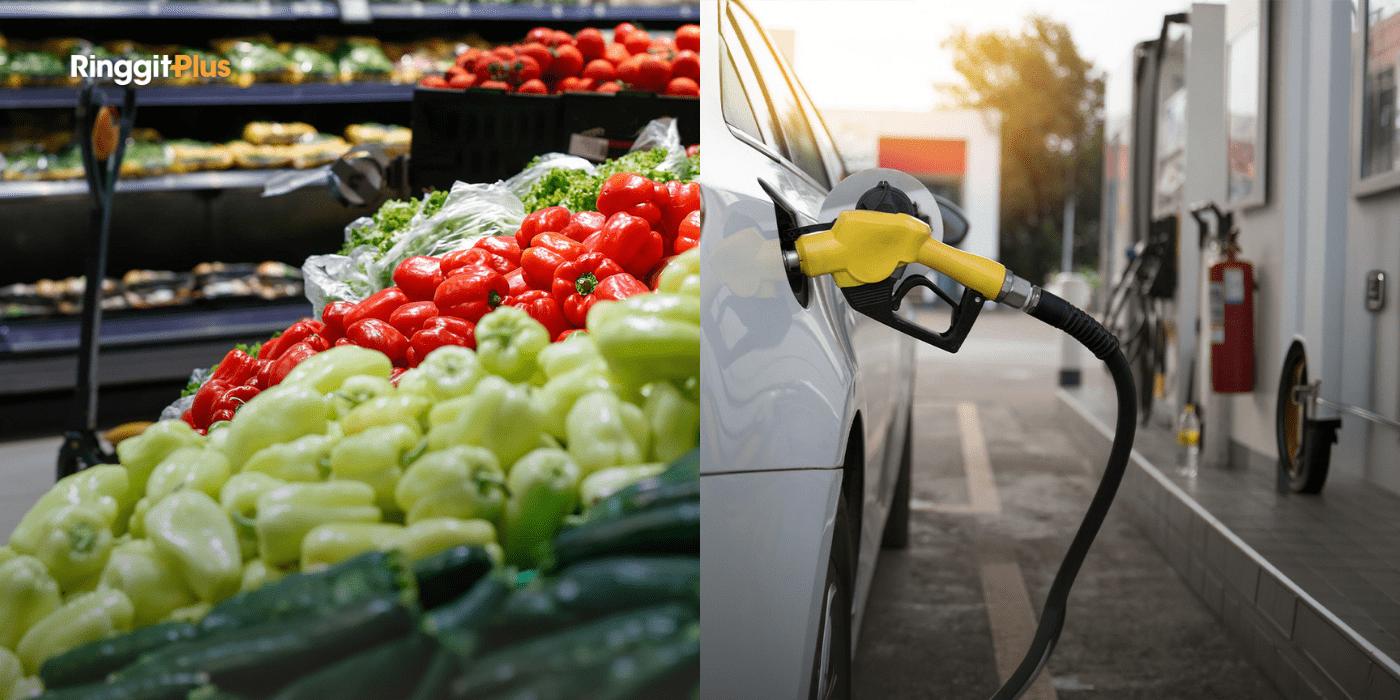
When global oil prices rise, it increases costs across transportation and production.
Over time, businesses may adjust by passing on part of these costs, which can lead to higher prices for goods and services. The impact may not be immediate, but it can build gradually across everyday spending.
Subsidy Controls Remain Important
The association also highlighted the importance of enforcement under the BUDI Madani subsidy framework, including measures such as identification checks to prevent fuel smuggling.
Without proper controls, subsidised fuel may be diverted across borders instead of benefiting Malaysian consumers.
Cost Pressures May Build Beyond Fuel Prices
Even with petrol prices capped, rising global oil costs can still influence what you spend in other ways.
Instead of appearing directly at the pump, the effect may show up through gradual increases in everyday expenses, depending on how global prices move in the months ahead.
Follow us on our official WhatsApp channel for the latest money tips and updates.
Samuel writes about personal finance and financial news, focusing on how banking updates, policies, and promotions affect everyday money decisions. He enjoys making complicated financial topics easier to follow. Outside of writing, he spends his time watching TV shows and occasionally convincing himself he will only watch one episode.
00votes
Article Rating
SHARE
About THE AUTHOR
Samuel Chua
Samuel Chua
Samuel writes about personal finance and financial news, focusing on how banking updates, policies, and promotions affect everyday money decisions. He enjoys making complicated financial topics easier to follow. Outside of writing, he spends his time watching TV shows and occasionally convincing himself he will only watch one episode.
We provide weekly updates on every Friday at 5pm on the prices of RON95, RON97 and Diesel in Malaysia and a chart that shows the movement of fuel prices across a 6-week period. Bookmark this page now!







Comments (0)