Travel restrictions linked to National Higher Education Fund Corporation loans will be applied only to borrowers who are assessed to have the financial ability to repay but continue to default. The government said the approach is targeted and will not apply to graduates who are unemployed or still struggling financially.
The clarification follows concerns that travel bans could affect fresh graduates and lower income borrowers, particularly those seeking work opportunities overseas.
Travel Bans Not A Blanket Enforcement Tool
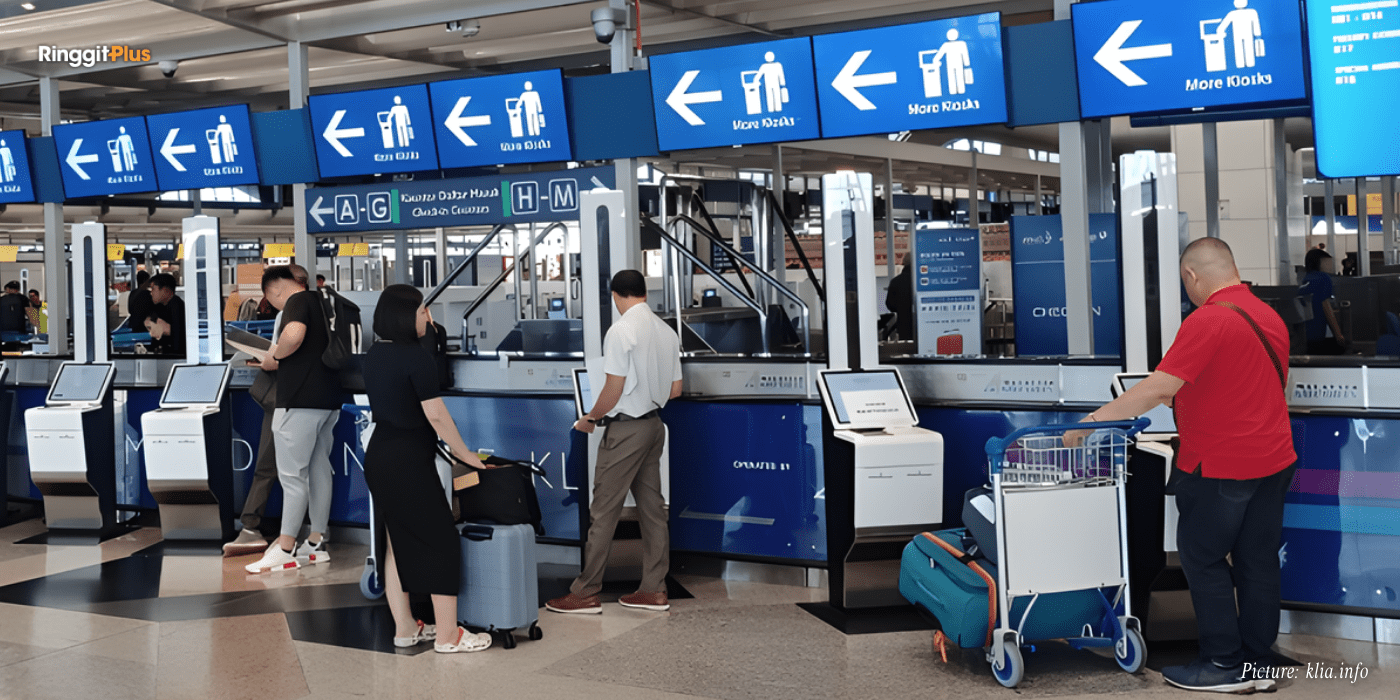
The Ministry of Higher Education said travel bans are intended as a last resort, reserved for cases where borrowers earn well or are employed overseas but repeatedly fail to service their PTPTN loans.
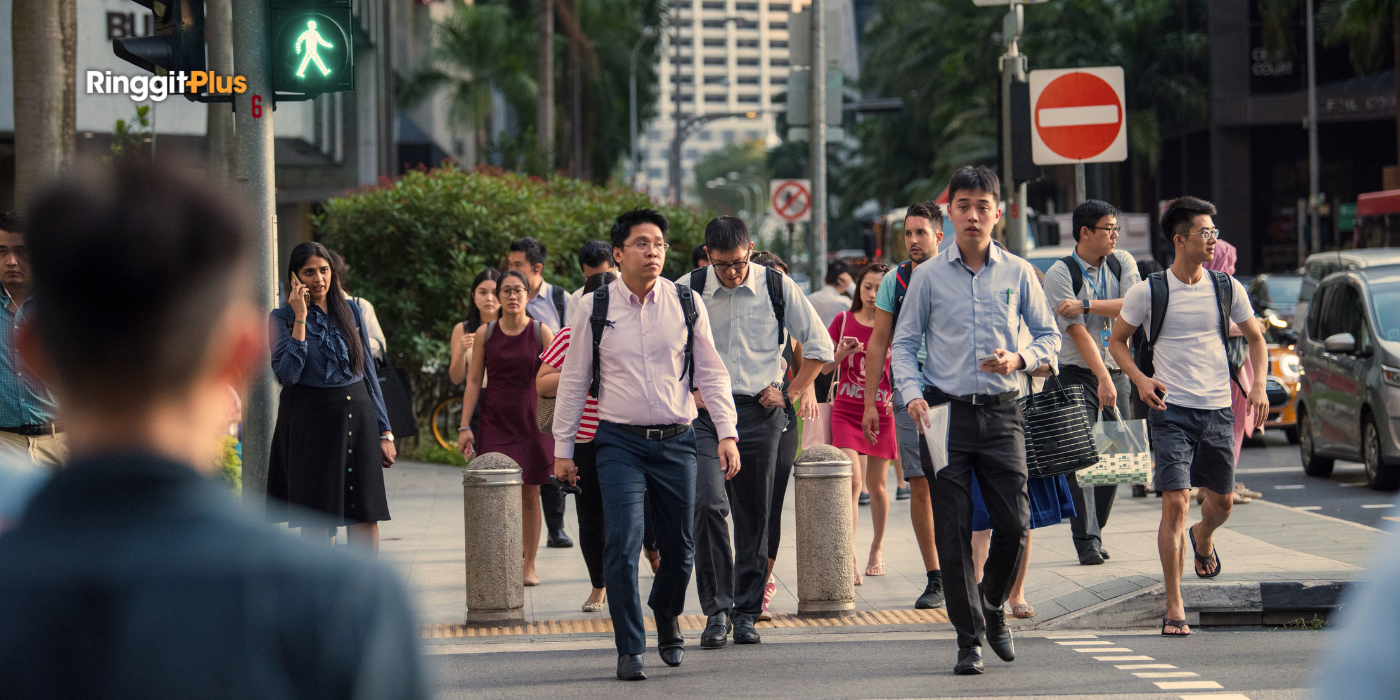
Borrowers who have recently completed their studies, have not secured employment, or fall within lower and middle income groups are not the intended targets of the measure. The policy is designed to distinguish between inability to pay and unwillingness to repay.
Repayment Options Remain Available For Borrowers
To reduce financial strain after graduation, PTPTN continues to offer a 12 month grace period before repayments begin.
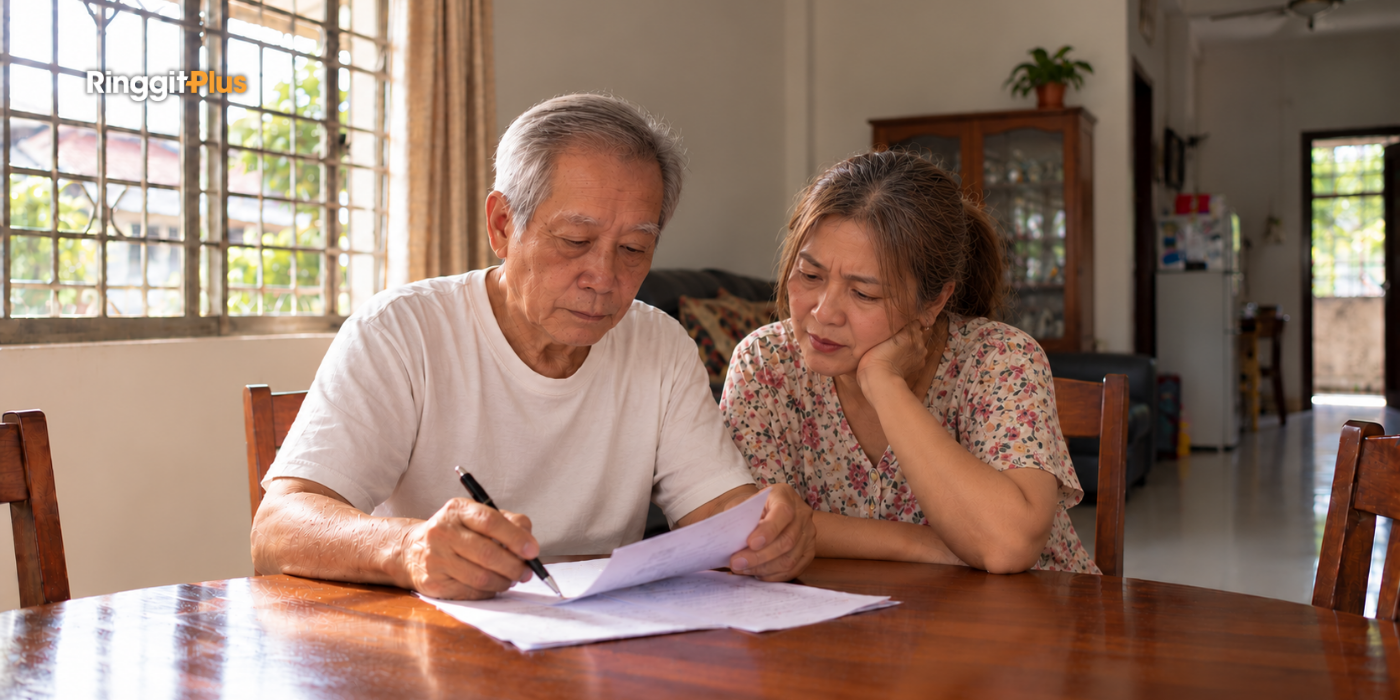
Borrowers facing difficulty can restructure their repayments, with loan tenures extendable up to the age of 60. Those without income may defer repayments for up to two years before restructuring is considered.
Borrowers pursuing further studies are also eligible for repayment deferments, allowing them to delay repayments until their studies are completed.
Why The Government Is Tightening Enforcement
PTPTN has disbursed about RM77.5 billion to more than 4.26 million students since its inception. The government said improving repayment compliance is necessary to ensure the long term sustainability of the education financing system.
At the same time, the ministry said enforcement must remain balanced to avoid placing undue pressure on graduates who are still building financial stability.
Support Measures For Vulnerable Students Continue
Alongside enforcement, the government said financial support for vulnerable groups is being expanded. The e Kasih scholarship programme will be offered to around 10,000 eligible students, nearly double the previous allocation.
About 3,000 students with disabilities at public universities, polytechnics, and community colleges are also expected to receive free education under existing support schemes.
How PTPTN Enforcement Affects Graduates And Families
For graduates, the clarification reduces uncertainty around travel restrictions, particularly for those who are unemployed or earning modest incomes. It signals that financial hardship alone will not trigger enforcement action.
For households supporting graduates, the continued availability of deferments and repayment restructuring provides more flexibility to manage education debt alongside living expenses.
At the same time, higher income borrowers and those working overseas may face closer scrutiny if repayments are repeatedly missed. This reflects a broader shift towards income sensitive enforcement, aimed at strengthening PTPTN collections without widening the burden on lower income families.
Overall, the policy direction points to a more targeted approach to education loan enforcement, with clearer distinctions between borrowers who cannot pay and those who choose not to.
Follow us on our official WhatsApp channel for the latest money tips and updates.
Samuel writes about personal finance and financial news, focusing on how banking updates, policies, and promotions affect everyday money decisions. He enjoys making complicated financial topics easier to follow. Outside of writing, he spends his time watching TV shows and occasionally convincing himself he will only watch one episode.
00votes
Article Rating
SHARE
About THE AUTHOR
Samuel Chua
Samuel Chua
Samuel writes about personal finance and financial news, focusing on how banking updates, policies, and promotions affect everyday money decisions. He enjoys making complicated financial topics easier to follow. Outside of writing, he spends his time watching TV shows and occasionally convincing himself he will only watch one episode.
We provide weekly updates on every Friday at 5pm on the prices of RON95, RON97 and Diesel in Malaysia and a chart that shows the movement of fuel prices across a 6-week period. Bookmark this page now!






Comments (0)