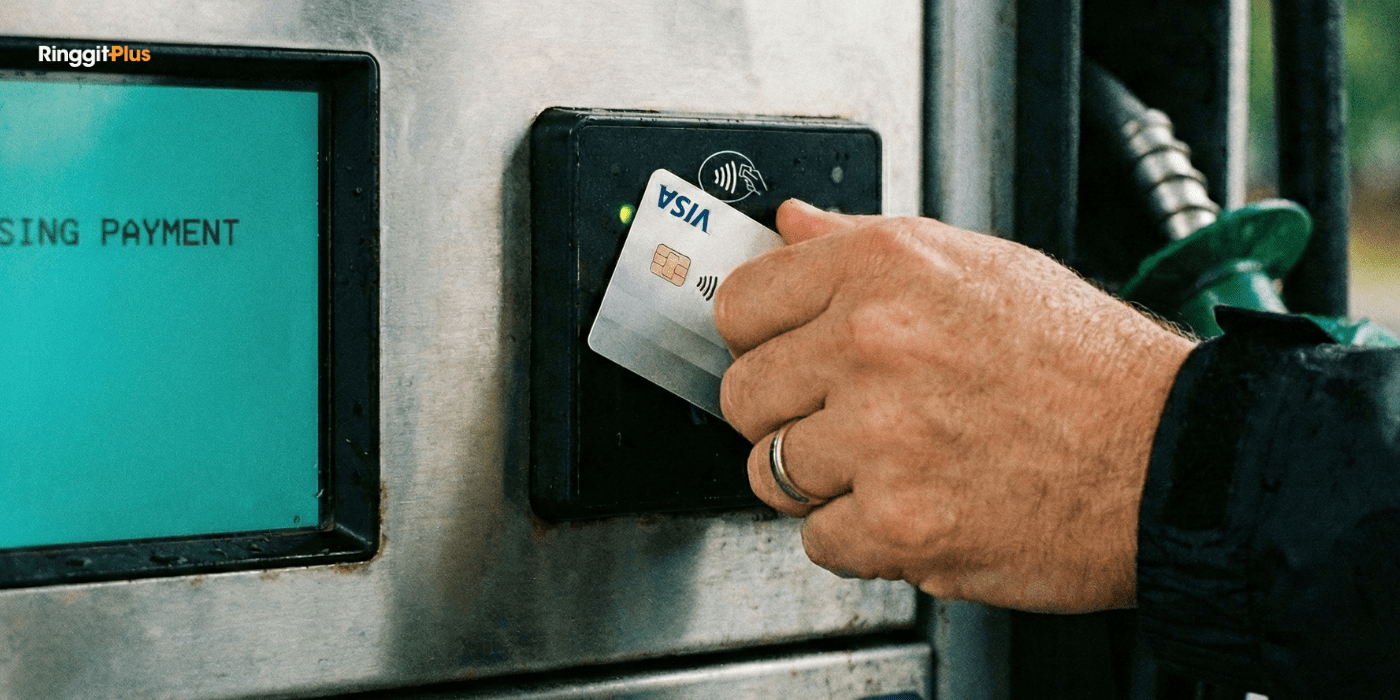
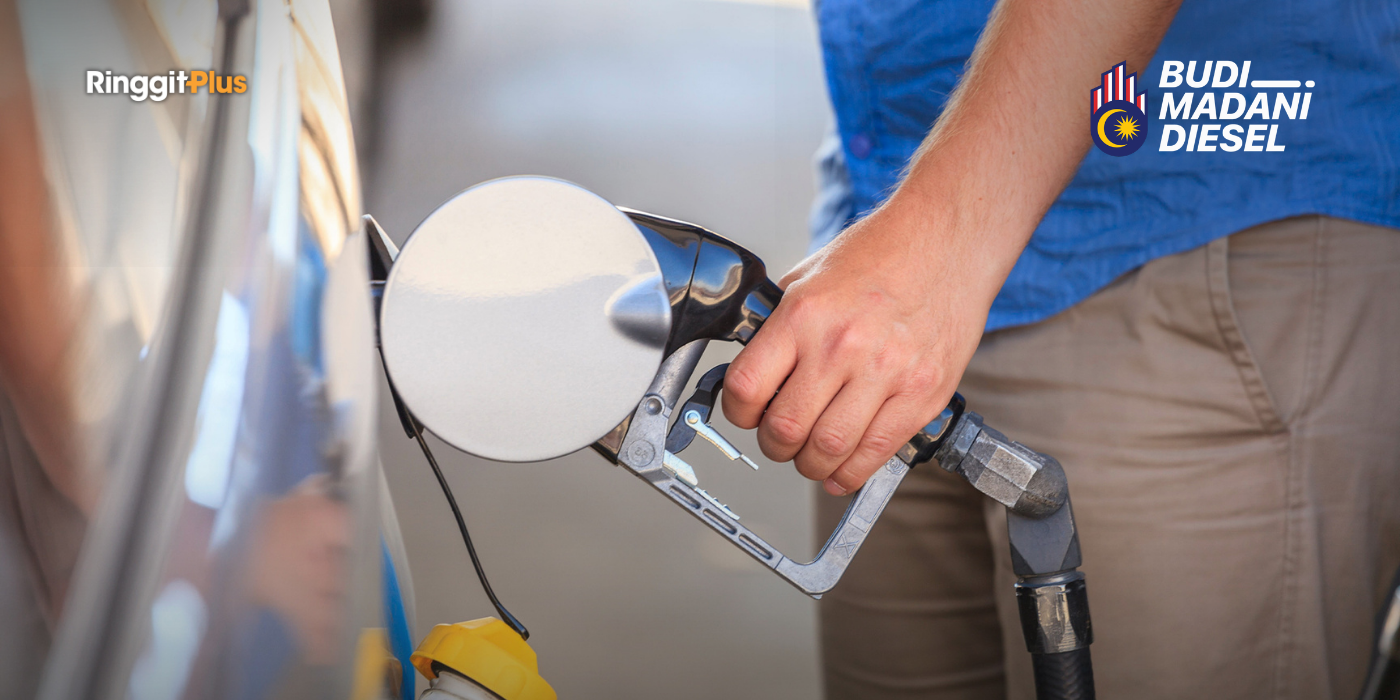
The Ministry of Domestic Trade and Cost of Living is studying whether overseas registered credit cards should be barred from use at outdoor payment terminals at petrol stations. The proposal is part of wider efforts to curb leakages under the Budi 95 targeted subsidy for RON95 petrol.
Domestic Trade and Cost of Living Minister Datuk Armizan Mohd Ali said the mechanism is still under review and could be expanded as part of a broader enforcement strategy to ensure subsidised fuel is accessed only by eligible users.
Tighter Controls At Petrol Stations
The proposed restriction would focus on outdoor card payment terminals commonly used at petrol pumps. These terminals are seen as a potential loophole that allows subsidised RON95 to be purchased using overseas issued credit cards.
At the same time, the ministry plans to step up monitoring and enforcement at identified hotspots. Plainclothes officers will be deployed to observe and act against suspected misuse of subsidised fuel.
Together, these measures are intended to strengthen controls under the Budi 95 framework and reduce subsidy leakages that increase pressure on public finances.
Enforcement Against Foreign Registered Vehicles From April
Armizan confirmed that regulations barring occupants of foreign registered vehicles from purchasing subsidised RON95 will be enforced from April 1. The rules are already gazetted and will apply nationwide.
Currently, enforcement provisions focus mainly on petrol station operators who sell subsidised fuel to ineligible buyers. The ministry is reviewing legislative amendments to extend liability to individuals who attempt to obtain subsidised petrol illegally.
The review follows concerns that enforcement responsibility has fallen too heavily on petrol station operators, rather than on those misusing the subsidy.
Ministry Warns Against Threats To Petrol Station Operators
The minister said the ministry takes a serious view of threats allegedly made against petrol station operators over the sale of RON95. He stressed that such actions are criminal offences.
Operators who face intimidation or coercion have been advised to lodge police reports so that enforcement action can be taken under existing laws.
Implications For Consumers And Businesses
Restricting the use of overseas registered credit cards at outdoor petrol station terminals would directly limit how subsidised RON95 can be paid for. For Malaysian motorists, this reduces the likelihood that subsidised fuel is diverted to ineligible buyers, particularly foreign vehicles or cross border users, which has been a key source of leakage.
From a household spending perspective, stronger controls may help sustain the current subsidy structure by addressing misuse rather than reducing subsidies across the board. This is especially relevant as fuel subsidies remain a significant component of government expenditure.
For petrol station operators, the proposed approach signals a shift towards more targeted enforcement. While operators would still be required to comply with licensing conditions, planned legislative reviews indicate that individuals attempting to misuse subsidised petrol may also face direct penalties. This could reduce the compliance burden on operators, although it may require updates to payment systems and closer coordination with card providers if card based restrictions are introduced.
More broadly, the move reinforces the government’s use of transaction level controls, such as payment methods, as a tool for subsidy targeting. If effective, similar mechanisms could be applied to other subsidised goods or services in the future, with implications for how consumers access price controlled essentials.
Follow us on our official WhatsApp channel for the latest money tips and updates.
Samuel writes about personal finance and financial news, focusing on how banking updates, policies, and promotions affect everyday money decisions. He enjoys making complicated financial topics easier to follow. Outside of writing, he spends his time watching TV shows and occasionally convincing himself he will only watch one episode.
51vote
Article Rating
SHARE
About THE AUTHOR
Samuel Chua
Samuel Chua
Samuel writes about personal finance and financial news, focusing on how banking updates, policies, and promotions affect everyday money decisions. He enjoys making complicated financial topics easier to follow. Outside of writing, he spends his time watching TV shows and occasionally convincing himself he will only watch one episode.
We provide weekly updates on every Friday at 5pm on the prices of RON95, RON97 and Diesel in Malaysia and a chart that shows the movement of fuel prices across a 6-week period. Bookmark this page now!



Comments (0)