Retail activity in Malaysia is expected to grow in 2026, especially during festive periods, but there are early signs that rising global tensions could affect how far your money goes in the months ahead.
The current outlook points to moderate growth, although it does not yet fully reflect potential cost increases linked to the ongoing conflict in the Middle East.
Festive Seasons Set To Support Early Year Spending
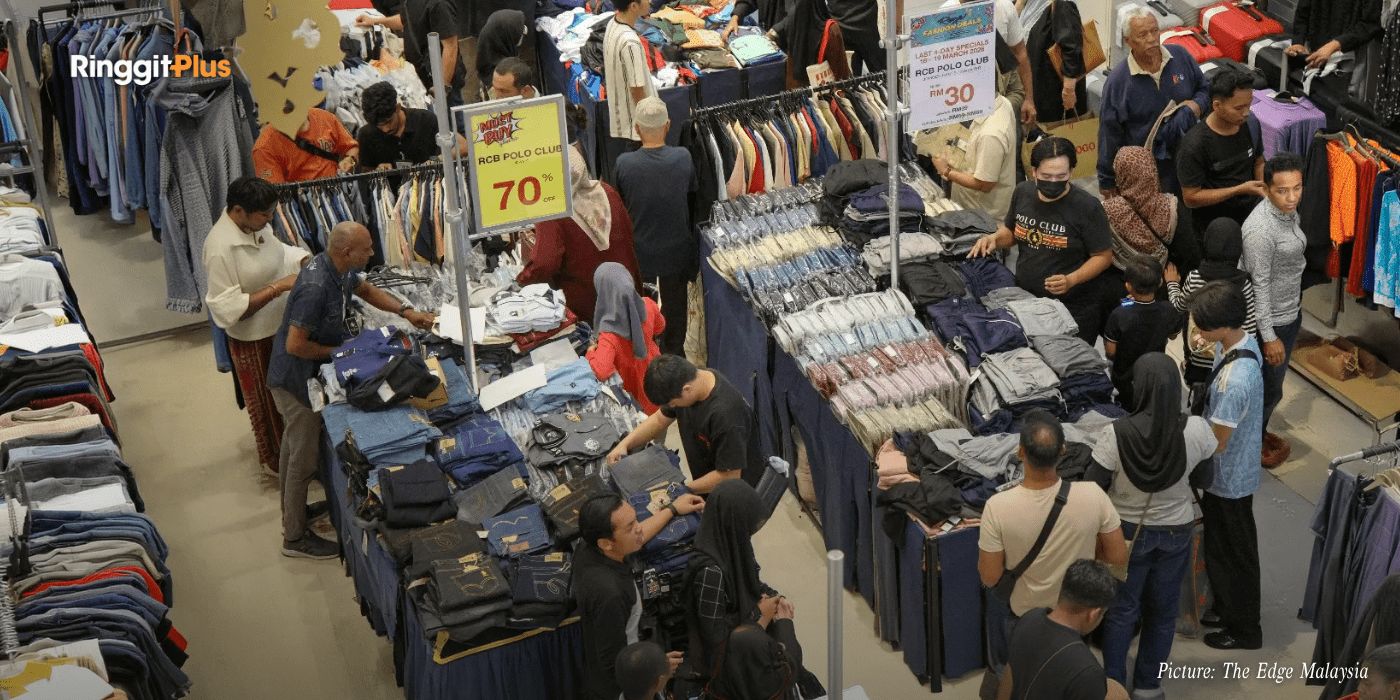
The first quarter of 2026 is expected to see stronger retail activity, supported by Chinese New Year and Hari Raya Aidilfitri, which are typically peak spending periods.
During these celebrations, households tend to spend more on food, clothing, travel, and gatherings, which often lifts overall retail activity. Additional support is also coming from cash aid programmes such as Sumbangan Tunai Rahmah and Sumbangan Asas Rahmah, along with higher tourist arrivals under Visit Malaysia Year.
These factors can help ease short term spending pressure, especially for households managing tight budgets, as extra cash support and tourism activity tend to circulate through everyday businesses.
Rising Global Tensions Could Affect Daily Costs
At the same time, the ongoing conflict in the Middle East is introducing uncertainty that could eventually show up in everyday expenses.
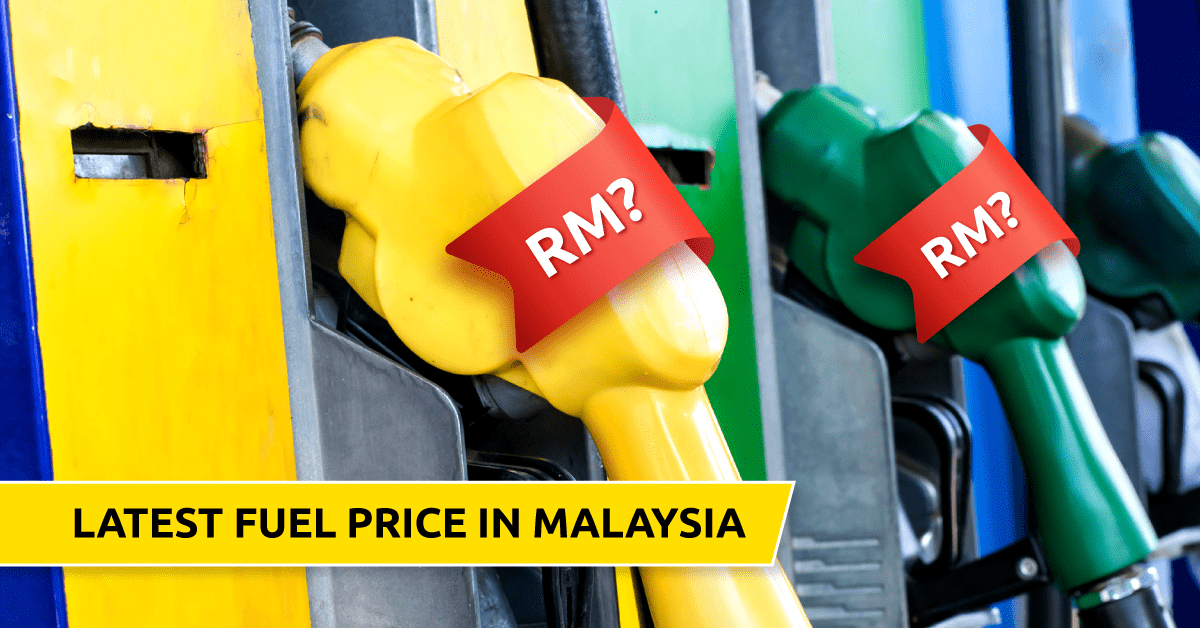
Higher energy prices and supply chain disruptions are among the key risks, which may affect the cost of goods and services locally. There is also a possibility that fuel subsidies could come under pressure, which may lead to changes in RON95 prices if subsidy costs increase.
This means household expenses linked to transport, deliveries, and imported goods could become less predictable if global conditions remain unstable.
Spending Remains Careful Despite Continued Shopping
Retail growth in 2025 came in lower than expected, with overall sales rising by 2.4%, falling short of earlier projections.
Even during the year end period, which usually sees stronger spending due to holidays and travel, retail activity did not increase as much as anticipated. Many households continued to shop, but with greater caution, focusing on items that offered better value for money.
This reflects a shift in spending habits, where purchases are still being made, but with more attention to price and necessity rather than impulse.
Everyday Stores Outperformed Larger Purchases
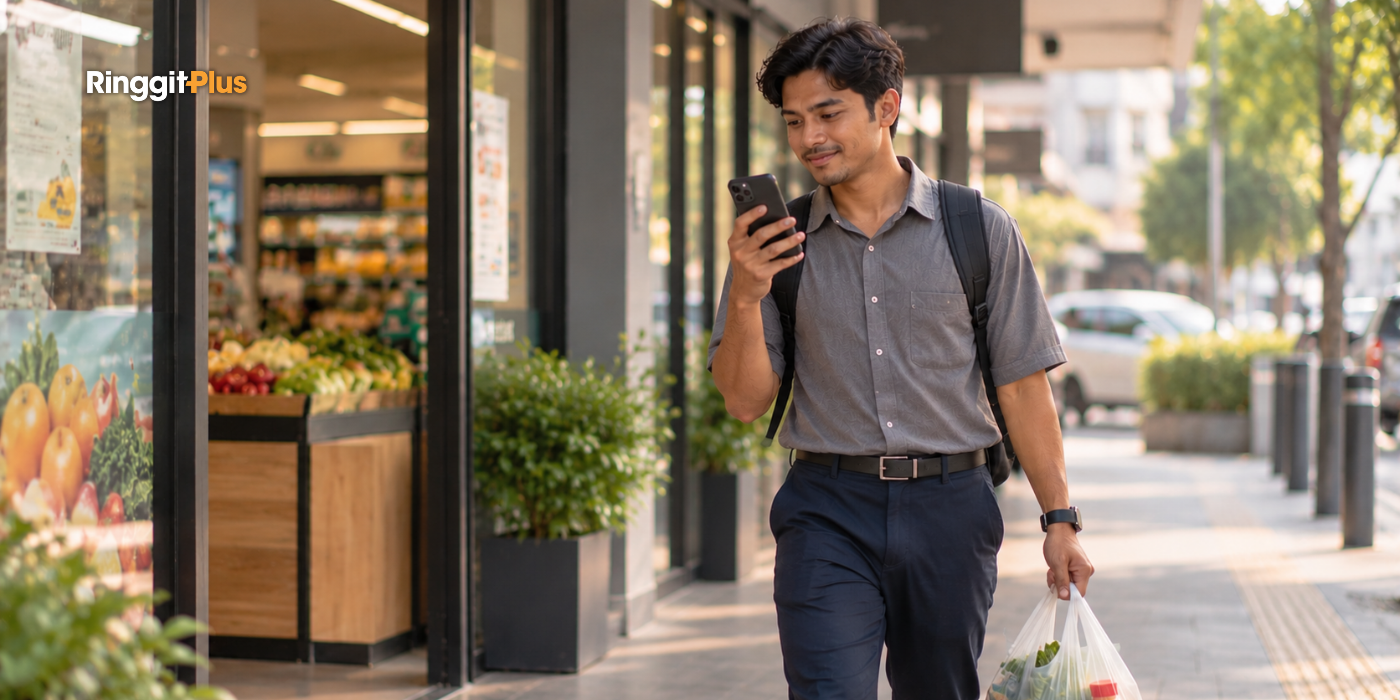
Mini markets, convenience stores, and cooperatives recorded the strongest growth in 2025, expanding by 13.2%.
These stores typically cater to daily essentials such as groceries and basic household items, suggesting that spending remained concentrated on routine needs. In contrast, categories such as furniture, home improvement, and electrical goods saw declines, pointing to weaker demand for larger, less frequent purchases.
This pattern shows how households are prioritising essential spending while holding back on bigger commitments.
Growth Outlook Remains, But Costs Will Shape Spending
Retail growth is still projected at around 4.0% for 2026, supported by tourism and government assistance, but this outlook may shift depending on how global developments affect local costs.
There may be more opportunities to spend during festive periods and travel seasons, but rising costs, especially those linked to fuel and imported goods, could limit how much households are willing or able to spend.
For everyday budgeting, spending is likely to stay focused on essentials and value based choices, while larger purchases may depend on how stable prices remain in the months ahead.
Follow us on our official WhatsApp channel for the latest money tips and updates.
Samuel writes about personal finance and financial news, focusing on how banking updates, policies, and promotions affect everyday money decisions. He enjoys making complicated financial topics easier to follow. Outside of writing, he spends his time watching TV shows and occasionally convincing himself he will only watch one episode.
00votes
Article Rating
SHARE
About THE AUTHOR
Samuel Chua
Samuel Chua
Samuel writes about personal finance and financial news, focusing on how banking updates, policies, and promotions affect everyday money decisions. He enjoys making complicated financial topics easier to follow. Outside of writing, he spends his time watching TV shows and occasionally convincing himself he will only watch one episode.
We provide weekly updates on every Friday at 5pm on the prices of RON95, RON97 and Diesel in Malaysia and a chart that shows the movement of fuel prices across a 6-week period. Bookmark this page now!






Comments (0)