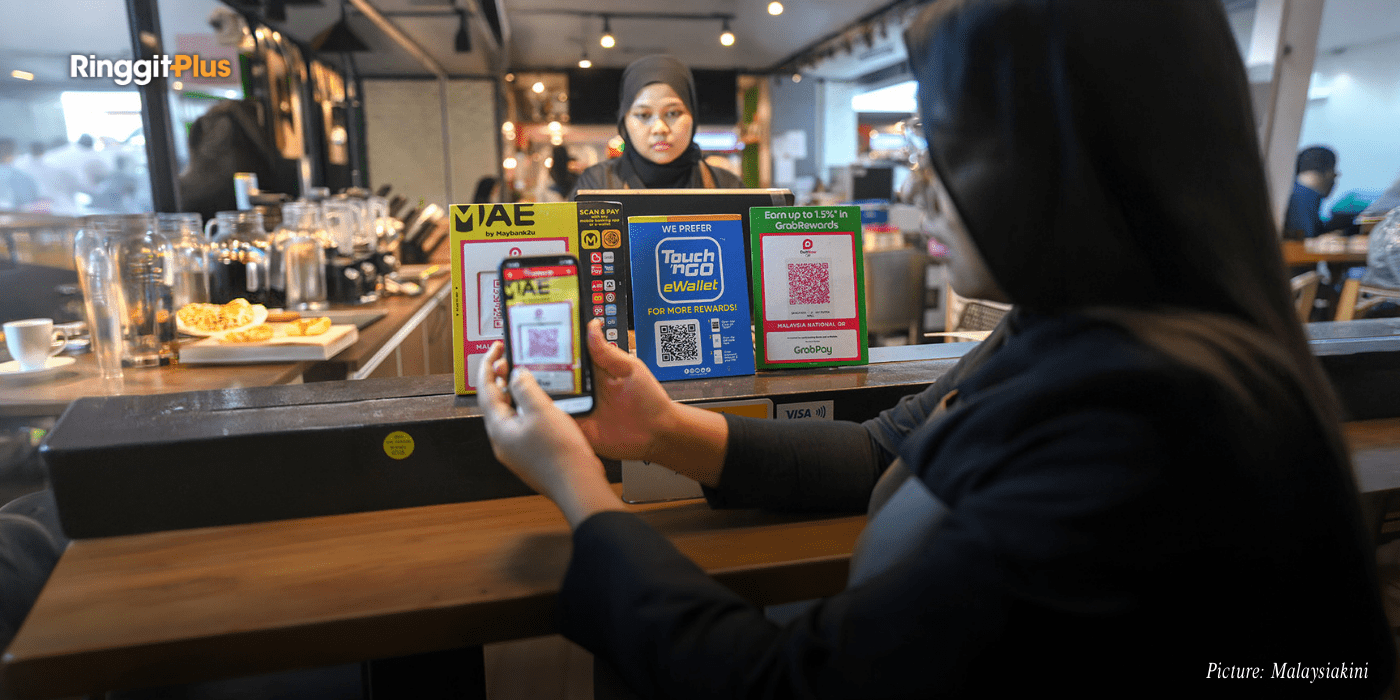
If you are a university student today, chances are you are paying for food, drinks and daily essentials using your phone instead of cash.
In 2025, students across 44 Malaysian universities made 58.7 million digital payment transactions, more than double the year before. This shows that paying digitally is no longer something new or occasional. It is becoming normal daily behaviour.
Students Are Not Just Trying It Once
On average, each student made about 98 digital transactions during the campaign period.
That means students are not just signing up for digital payments. They are using them repeatedly for everyday spending like meals, printing, convenience store items and other small purchases.
When something is used often, it becomes a habit. And habits formed in university usually continue into working life.
All Public Universities Took Part
For the first time, all 20 public universities in Malaysia joined the programme, along with 11 private universities.
When almost every campus accepts digital payments, students do not need to think about whether a shop takes cash or QR. It simply becomes the standard way to pay.
However, this does not mean prices are lower. Food and services cost the same. Only the payment method has changed.
Why This Matters For Small Businesses
More digital payments mean small shops and food stalls can track their sales more clearly. Instead of handling only cash, they have digital records of transactions.
This can help them manage income better and may support them when applying for loans in the future, because there is proof of sales.
Rewards Go To Universities, Not Individual Students
The top-performing universities received prize money for having the highest digital transaction activity.
Students themselves do not directly receive cash rewards from these results. The benefit to them is convenience, not extra income.
Digital Payments Make Spending Easier
Using QR codes or debit cards makes paying fast and simple. But it can also make spending feel less “real” compared to handing over cash.
When it is easy to tap and pay, people may spend more often without noticing. So while digital payments are convenient, budgeting is still important.
What This Means Over The Next Few Years
If this trend continues, a lot of students will graduate already fully used to cashless payments. That means Malaysia’s future workforce will likely rely even more on digital transactions.
But using digital payments does not automatically mean saving more money. Whether someone builds wealth still depends on how much they earn, how much they spend, and how well they manage their budget.
The real shift is in behaviour, as digital payments become normal at a young age and those habits are likely to follow students into adulthood.
Follow us on our official WhatsApp channel for the latest money tips and updates.
Samuel writes about personal finance and financial news, focusing on how banking updates, policies, and promotions affect everyday money decisions. He enjoys making complicated financial topics easier to follow. Outside of writing, he spends his time watching TV shows and occasionally convincing himself he will only watch one episode.
00votes
Article Rating
SHARE
About THE AUTHOR
Samuel Chua
Samuel Chua
Samuel writes about personal finance and financial news, focusing on how banking updates, policies, and promotions affect everyday money decisions. He enjoys making complicated financial topics easier to follow. Outside of writing, he spends his time watching TV shows and occasionally convincing himself he will only watch one episode.
We provide weekly updates on every Friday at 5pm on the prices of RON95, RON97 and Diesel in Malaysia and a chart that shows the movement of fuel prices across a 6-week period. Bookmark this page now!





Comments (0)