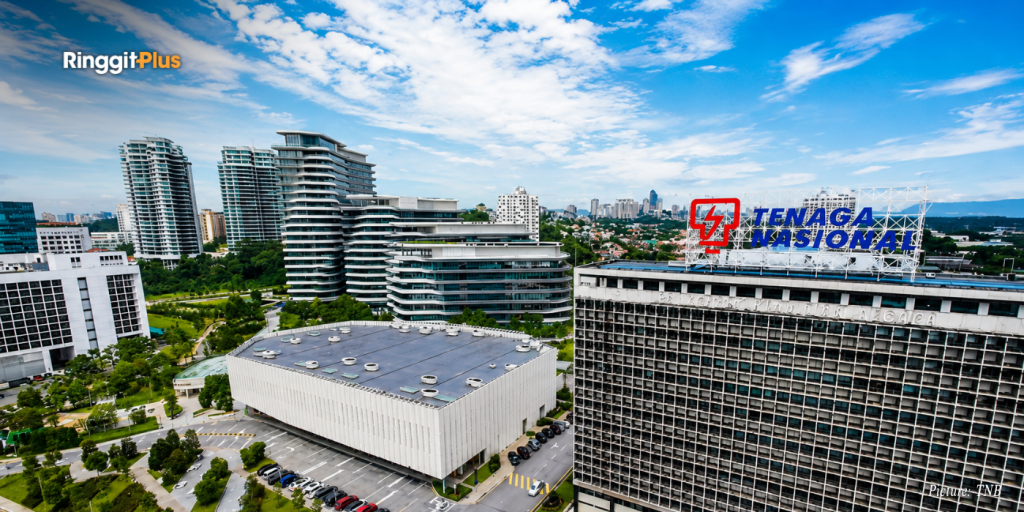
Tenaga Nasional Berhad (TNB) is deploying artificial intelligence (AI) across its electricity network to detect faults earlier, route power more efficiently, and reduce disruptions to supply. The utility provider’s chief digital and information officer, Azlan Ahmad, outlined the approach in a recent interview with Bernama.
The change is driven partly by how different the national grid has become. Thousands of solar panels and electric vehicle (EV) chargers are being added every year, each one introducing more variability into how electricity flows. At that scale of complexity, manual monitoring becomes harder to sustain, and the window to catch a fault before it turns into an outage narrows.
AI Now Acts As A Continuous Monitoring Layer
Azlan described AI as giving the power grid “a brain and eyes” capable of working around the clock. Automated tools now scan the network for early stress signals in underground cables, identify recurring fault patterns, and find the most efficient path for electricity to travel. AI is also being used to forecast electricity demand, giving engineers earlier warning when the system may come under strain.
“It acts like a 24/7 security guard, capable of detecting early signs of faults in cables even before breakdowns occur,” he told Bernama.
Moving From Fixing Problems To Preventing Them
Azlan described the project as moving away from a model where faults are addressed after the fact. TNB is already applying AI through tripping pattern analysis, predictive maintenance for underground cables, and visual intelligence tools for field safety checks.
The older approach worked when the grid was simpler. As the number of connected devices grows and sources of supply become more varied, catching faults late gets more costly in repairs and more disruptive to you.
Grid Reliability And Your Electricity Bill
Outages that affect homes and small businesses typically occur because faults are identified too late, not because the technical fix takes long. AI that flags stress before it escalates means fewer disruptions make it to your door in the first place.
The connection to electricity costs is less immediate, but it exists. The charges on your electricity bill already include capacity and network components, which cover the cost of maintaining the national grid. A grid that runs more efficiently costs less to operate over time, which is one factor in how tariff levels get reviewed and what you end up paying.
TNB’s rollout of smart meters across Peninsular Malaysia is part of the same infrastructure push, with more than five million homes already covered. If your household has had one installed, the usage data it transmits feeds directly into the AI systems TNB is now building on.
Preparation For Cross-Border Energy Trading
Azlan also positioned the AI work as groundwork for Malaysia’s eventual participation in the ASEAN Power Grid, an initiative to allow electricity to flow across national borders within the region. Cross-border energy trading requires detailed, real-time system visibility, which is difficult to achieve without automated monitoring across a network this large.
Energy Transition Conference Opens In June
TNB is hosting its Energy Transition Conference 2026 (ETCon26) from 3 to 5 June at the Kuala Lumpur Convention Centre. The event’s theme is “Energy & AI: The Synergy for Energy Transition”, and Prime Minister Datuk Seri Anwar Ibrahim is scheduled to officiate on the second day.
Azlan said the conference is intended to connect industry participants and the public with how AI and energy are being combined to support Malaysia’s goal of achieving net-zero carbon emissions by 2050, as set out in the National Energy Transition Roadmap (NETR). If you are interested in attending, registration is open.
Grid infrastructure is a long-cycle investment, and benefits from today’s AI deployments may take years to show up in tariff structures. The more immediate difference is likely to come through fewer and shorter outages, particularly as EV adoption grows and your electricity demand becomes harder to predict from one month to the next.
Follow us on our official WhatsApp channel for the latest money tips and updates.
Christina writes about personal finance with an eye for making the complicated feel straightforward. She is drawn to the everyday money decisions people face and genuinely enjoys finding the clearest way to explain them. Between articles, she is probably napping, on a hiking trail, or terrorising her sister’s cats.
00votes
Article Rating
SHARE
About THE AUTHOR
Christina Chandra
Christina Chandra
Christina writes about personal finance with an eye for making the complicated feel straightforward. She is drawn to the everyday money decisions people face and genuinely enjoys finding the clearest way to explain them. Between articles, she is probably napping, on a hiking trail, or terrorising her sister's cats.
We provide weekly updates on every Friday at 5pm on the prices of RON95, RON97 and Diesel in Malaysia and a chart that shows the movement of fuel prices across a 6-week period. Bookmark this page now!




Comments (0)