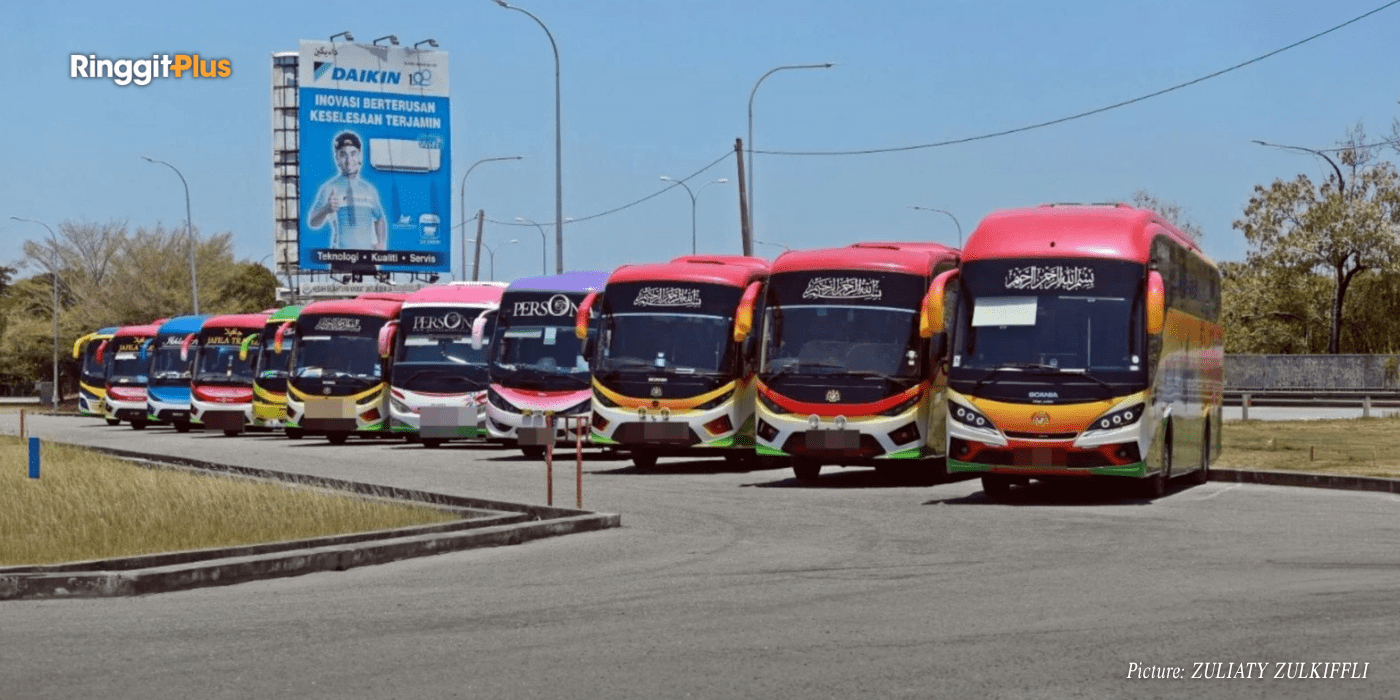
Tour bus and tour van operators in Malaysia may now charge up to 80% more under a new price guideline from the Malaysian Inbound Tourism Association, with the revised ceiling taking effect from today.
Anyone planning group transport may start to see higher quotes, as a bus or van that previously fit within budget for an airport transfer, company outing, school programme, or family tour can now come in significantly higher, especially for longer routes or full-day use.
MITA president Mint Leong said operators are raising prices because diesel costs have climbed to a level they can no longer absorb, with the increase working out to around 70% to 80% a day for tour buses and tour vans depending on the destination.
The New Rates Set A Maximum, Not A Standard Price
The guideline sets a ceiling rather than a fixed market rate, which allows operators to charge below it but not exceed the stated maximum, giving some flexibility in how prices are applied across different bookings.
MITA said the guide is meant to give operators, travel agencies, and customers a clearer reference point while diesel prices remain volatile, so pricing decisions are less uncertain rather than driven by guesswork.
Not every booking will rise by 80%, but the higher ceiling gives operators room to adjust prices where margins have already been stretched and absorbing further increases is no longer viable.
Diesel Price Changes Since 2024 Are Driving Costs Higher
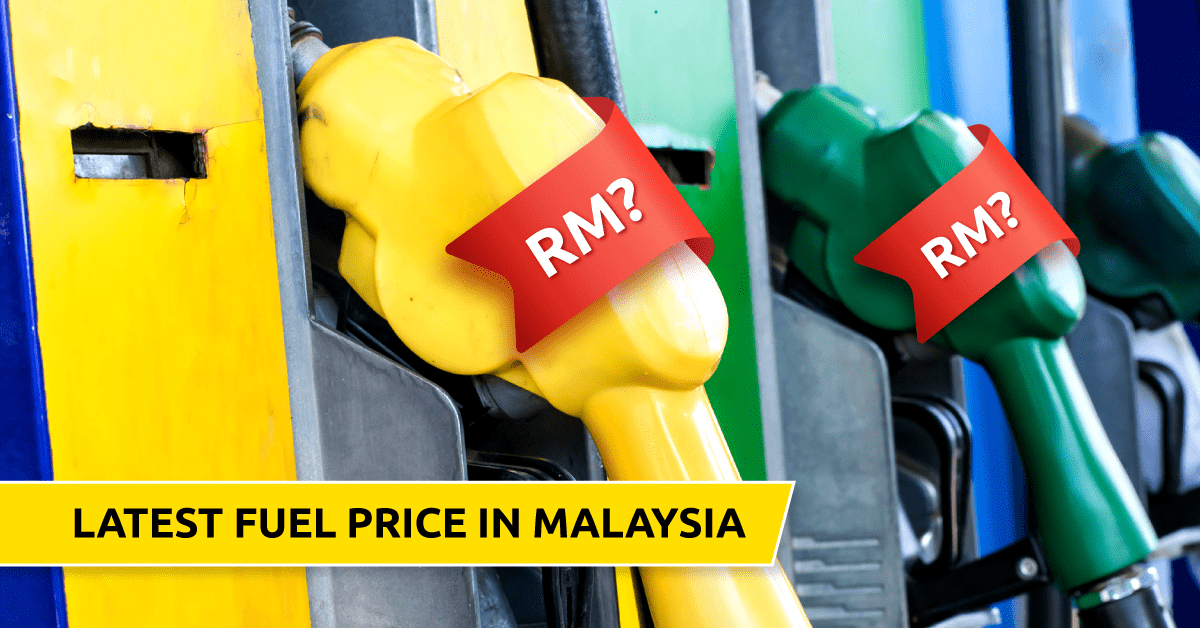
The latest adjustment follows a longer period of rising fuel costs after diesel subsidies in Peninsular Malaysia were removed in June 2024, ending the previous ceiling price of RM2.15 per litre and allowing prices to move with weekly revisions.
Diesel was first floated at RM3.35 per litre, and the tourism industry had already raised transport prices by 20% in 2024 after its request for subsidies was rejected, with operators now saying that earlier increase is no longer enough to cover day-to-day costs.
According to MITA, diesel prices were at RM3.04 per litre before the Iran war began on February 28 and have since risen to RM5.52 per litre, which has pushed operating costs to a level where further adjustments have become difficult to avoid.
Higher Transport Costs Are Showing Up In Tour Packages
The increase may not always appear as a separate line item, as transport is often bundled into tour packages that include accommodation, guides, and itineraries, which makes the change more visible when comparing overall prices rather than individual components.
A package that includes hotel stays, meals, and guided tours may now come back higher mainly because of transport, even if other parts of the trip remain similar, with the difference becoming more noticeable on multi-day trips or routes that involve longer travel distances.
When the same van or bus cost is shared across a smaller group, each person ends up paying more than before, which can affect whether a private transfer still feels worthwhile or whether shared transport and simpler itineraries become more practical options.
Prices Are Already Rising While Subsidies Remain Uncertain
MITA has also called for temporary support, including a monthly diesel subsidy of 3,000 litres for tour buses with 40 to 45 seats and 2,500 litres for tour vans, as part of efforts to ease pressure on operators.
Leong said prices could be reduced if subsidies are introduced, although no timeline or structure has been outlined, leaving operators to adjust pricing based on current fuel costs while any potential support remains uncertain.
As a result, new quotations may already reflect higher transport charges, even though any future reductions would depend on government action that has not yet been confirmed.
Transport Is Taking Up More Of The Trip Budget
Transport is often built into the total cost of a trip, which means the impact tends to show up when comparing quotes or reviewing the full breakdown rather than as a single obvious surcharge.
A group trip that initially looks affordable can shift once airport transfers, intercity travel, or full-day vehicle use are factored in, particularly for itineraries that involve multiple stops or longer travel distances.
For smaller groups sharing the same vehicle cost, the increase per person can be significant enough to change decisions around trip length, destinations, or whether private transport is used at all, especially when trying to keep the overall budget within a fixed range.
Follow us on our official WhatsApp channel for the latest money tips and updates.
Samuel writes about personal finance and financial news, focusing on how banking updates, policies, and promotions affect everyday money decisions. He enjoys making complicated financial topics easier to follow. Outside of writing, he spends his time watching TV shows and occasionally convincing himself he will only watch one episode.
00votes
Article Rating
SHARE
About THE AUTHOR
Samuel Chua
Samuel Chua
Samuel writes about personal finance and financial news, focusing on how banking updates, policies, and promotions affect everyday money decisions. He enjoys making complicated financial topics easier to follow. Outside of writing, he spends his time watching TV shows and occasionally convincing himself he will only watch one episode.
We provide weekly updates on every Friday at 5pm on the prices of RON95, RON97 and Diesel in Malaysia and a chart that shows the movement of fuel prices across a 6-week period. Bookmark this page now!





Comments (0)