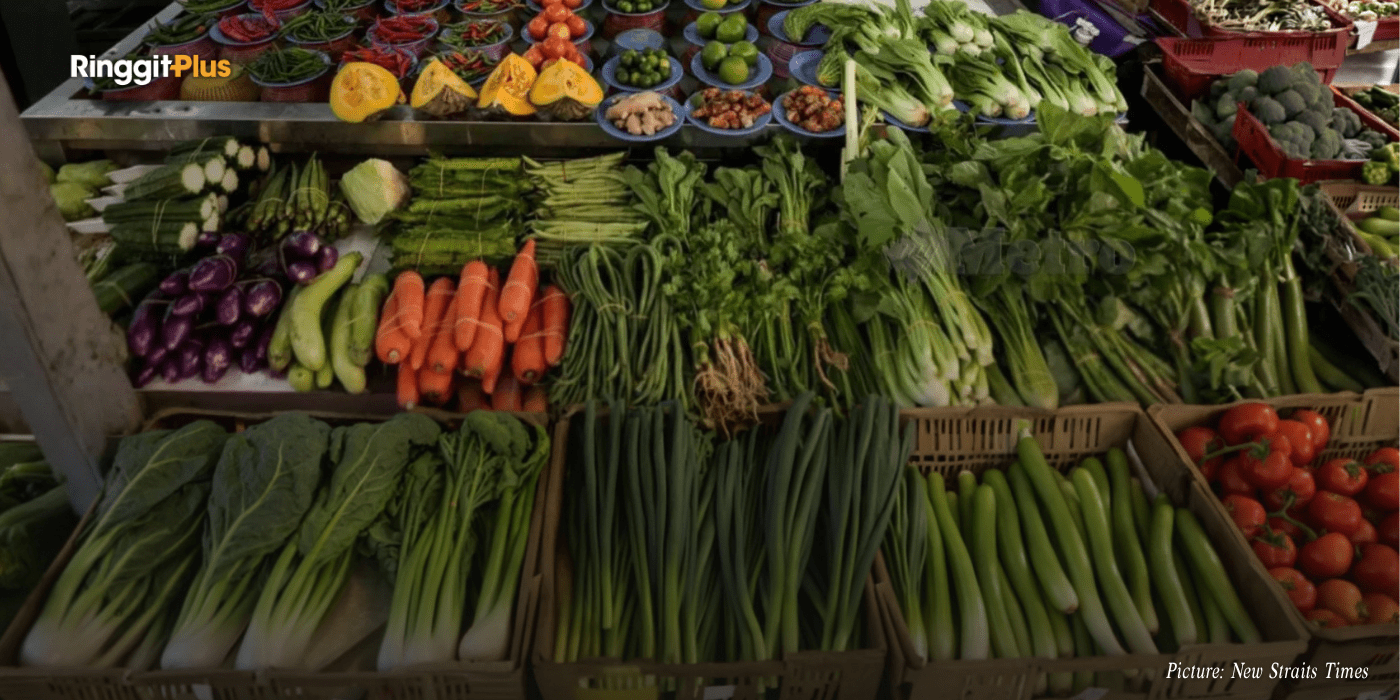
Vegetable prices in Malaysia could rise sharply within the next one to two weeks, with Cameron Highlands farmers warning that some items may spike by as much as 50% before settling at around 30% above current levels. The warning comes from the Cameron Highlands Malay Farmers Association, which says production costs have climbed faster than retail prices so far.
For households, that means the next grocery run may feel more expensive even if the increase does not hit every vegetable at once. A 30% rise would turn a RM10 spend into RM13, or a RM30 basket of vegetables into about RM39.
Cameron Highlands Costs Are Starting To Reach The Shelf
The expected increase is tied to higher fertiliser and diesel costs, both of which are central to vegetable farming in Cameron Highlands. Farmers use diesel for machinery, generators, and transport, while fertiliser remains one of the biggest recurring costs in crop production. These costs have already risen, but shop prices have not fully adjusted yet.
Cameron Highlands is a major source of the highland vegetables Malaysians buy every week, including cabbage, lettuce, broccoli, capsicum, and other common cooking vegetables that are widely distributed to wet markets, supermarkets, and neighbourhood grocers across Peninsular Malaysia.
Peninsular Malaysia has moved to targeted diesel subsidies, replacing the earlier blanket subsidy system. While support schemes exist for eligible farmers, fuel costs remain a concern, especially for those who rely heavily on machinery and transport to move produce.
Grocery Bills Are More Likely To Shift In Common Cooking Staples
For most households, this is not about vegetables in general, but about the items that go into everyday meals.
If prices rise as expected, the impact is more likely to be felt in leafy greens and common highland produce. That includes items like sawi, cabbage, lettuce, broccoli, and capsicum, which are regularly used in home cooking.
Households that buy fresh produce several times a week, or food businesses that depend on a steady supply of vegetables, are likely to notice the change sooner. Those who shop less frequently or rely more on frozen items may feel the increase more gradually.
The effect may also differ depending on where you shop. Wet markets often reflect supply changes faster, while supermarkets may adjust prices slightly later. Over time, however, higher farm and transport costs tend to show up across most retail channels.
The Practical Response Is About Timing And Flexibility
The most immediate way to manage this is to stay flexible with what goes into your grocery basket.
If prices start rising over the next two weeks, comparing prices across wet markets, supermarkets, and neighbourhood grocers can help manage costs. Adjusting what you buy based on what is more affordable that week, instead of sticking to the same items, can also make a difference.
Follow us on our official WhatsApp channel for the latest money tips and updates.
Samuel writes about personal finance and financial news, focusing on how banking updates, policies, and promotions affect everyday money decisions. He enjoys making complicated financial topics easier to follow. Outside of writing, he spends his time watching TV shows and occasionally convincing himself he will only watch one episode.
00votes
Article Rating
SHARE
About THE AUTHOR
Samuel Chua
Samuel Chua
Samuel writes about personal finance and financial news, focusing on how banking updates, policies, and promotions affect everyday money decisions. He enjoys making complicated financial topics easier to follow. Outside of writing, he spends his time watching TV shows and occasionally convincing himself he will only watch one episode.
We provide weekly updates on every Friday at 5pm on the prices of RON95, RON97 and Diesel in Malaysia and a chart that shows the movement of fuel prices across a 6-week period. Bookmark this page now!







Comments (0)