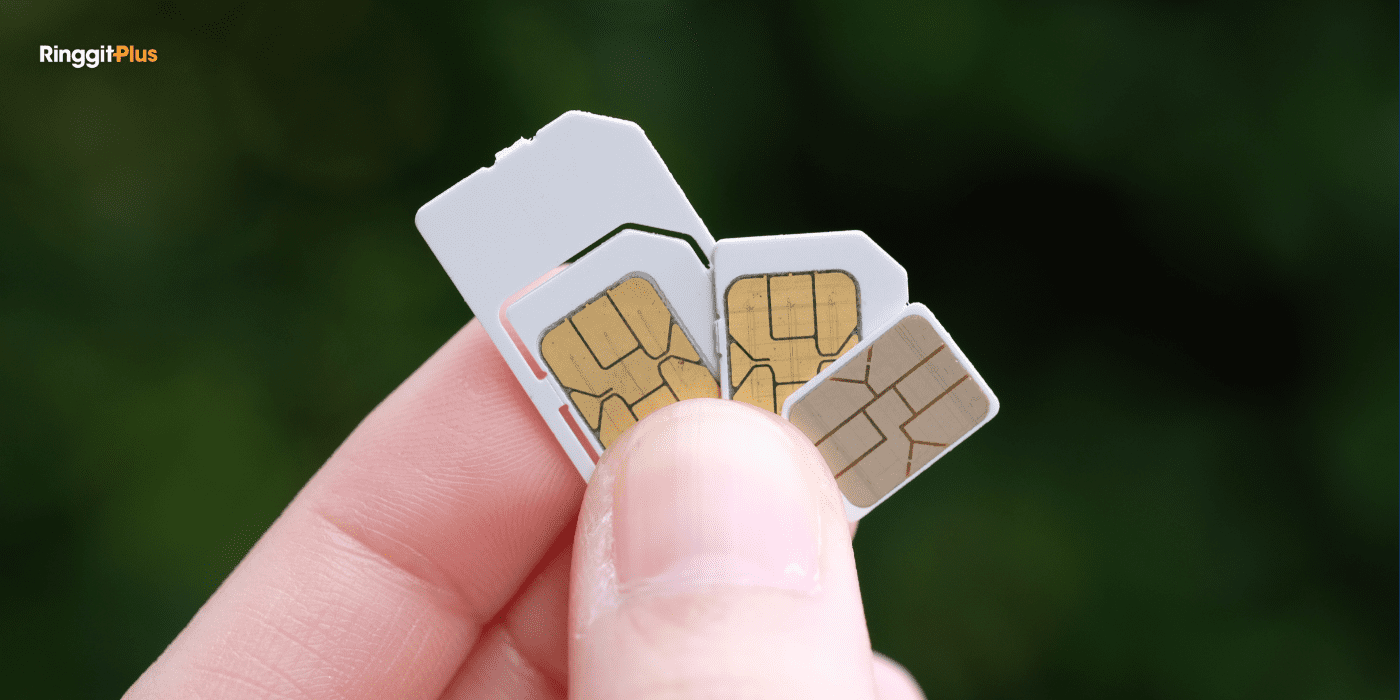
Malaysia plans to introduce new limits on prepaid SIM card ownership to strengthen digital security and combat online fraud. Under the proposed changes, Malaysians will be allowed to register up to two prepaid SIM cards per telecommunications company (telco), while foreigners will be limited to two prepaid SIM cards in total.
Reviewing SIM Registration Rules
Deputy Communications Minister Teo Nie Ching said the Malaysian Communications and Multimedia Commission (MCMC) has launched a public inquiry to review the current 2017 Prepaid User Registration Guidelines, which currently allow up to five prepaid SIM cards per telco.
The inquiry will run until the end of November 2025, with the government aiming to implement the updated framework by the first quarter of 2026.
According to Teo, the review seeks to address growing concerns about online fraud and the misuse of digital platforms, particularly cases involving fake artificial intelligence (AI)-generated content and anonymous social media accounts.
Strengthening Accountability In The Digital Space
Teo highlighted several incidents where AI-generated false images were used to spread misinformation, including one involving the Yang di-Pertuan Agong. Investigations into such cases have often stalled because offenders use false or foreign identities to register social media accounts.
“When the MCMC investigated the case, it found that the culprit had used a foreigner’s information to register the social media account. The Attorney General’s Chambers could only close the case with no further action due to difficulties in tracing the suspects,” she said in the Dewan Rakyat on Wednesday.
Efforts To Tackle False And Harmful Online Content
Between 1 January 2022 and 15 October 2025, the MCMC submitted 3,074 takedown requests to social media platforms involving deepfake content. Of these, 2,354 cases, or 77%, were successfully removed.
For false or misleading content, a total of 55,218 takedown requests were issued, with 46,966 cases, or 85%, successfully taken down.
These figures reflect the government’s ongoing collaboration with online platforms to combat misinformation and maintain safer digital spaces for Malaysians.
New Compliance Rules For Service Providers
Teo also announced that the MCMC is developing new rules under the Communications and Multimedia Act 1998. These rules will require service providers to submit online safety plans outlining how they comply with the Act and ensure user protection.
The move is part of a broader effort to hold digital service providers accountable for safeguarding users from harmful content and data misuse.
Age And Identity Verification Under Review
In addition, the MCMC is studying the feasibility of implementing user age and identity verification systems. These measures aim to reduce exposure to harmful content, particularly among children, and to limit the use of fake or stolen identities in online fraud.
Teo said the government remains focused on balancing tighter digital safeguards with the need to protect user privacy and data security.
Strengthening Digital Identity And Combating Fraud
The proposal to limit prepaid SIM card registrations aligns with Malaysia’s broader efforts to strengthen digital identity verification and reduce online fraud.
On 23 September 2025, Malaysia’s major telecommunications companies, including CelcomDigi, Maxis, U Mobile, Telekom Malaysia, and YTL Communications, announced a joint plan to give banks and online retailers access to a number verification application programming interface (API). This system verifies a user’s mobile identity in real time, providing a more secure alternative to SMS one-time passwords.
Supported by all five telcos, the initiative aims to enhance consumer protection, prevent identity theft, and strengthen digital trust. It is part of a global programme involving 79 operator groups and nearly 80% of mobile connections worldwide, reflecting Malaysia’s growing alignment with international standards in digital security.
The growing emphasis on such measures reflects increasing recognition that digital identity fraud poses serious risks to consumer trust, financial stability, and national data security. As online transactions and digital platforms become more integrated into daily life, the potential for abuse through fake or unverified identities also grows.
By combining regulatory reforms such as tighter SIM card registration limits with industry-led solutions like number verification APIs, Malaysia aims to close long-standing loopholes exploited by cybercriminals. Together, these efforts mark a coordinated step towards a safer, more accountable digital ecosystem for individuals and businesses alike.
Follow us on our official WhatsApp channel for the latest money tips and updates.
Samuel writes about personal finance and financial news, focusing on how banking updates, policies, and promotions affect everyday money decisions. He enjoys making complicated financial topics easier to follow. Outside of writing, he spends his time watching TV shows and occasionally convincing himself he will only watch one episode.
Samuel writes about personal finance and financial news, focusing on how banking updates, policies, and promotions affect everyday money decisions. He enjoys making complicated financial topics easier to follow. Outside of writing, he spends his time watching TV shows and occasionally convincing himself he will only watch one episode.




Comments (0)