You’ve been paying your bills on time, your salary is stable, but your personal loan application just got rejected. Or approved, but at an interest rate that feels punishing. The culprit? Your credit score is working against you, even though you thought you were doing everything right.
Your credit score influences whether banks approve your loan applications, how much they’re willing to lend, and what interest rate you’ll pay. But it’s not the only factor banks consider, and understanding how it fits into the bigger picture can help you approach applications more strategically.
How Banks Actually Assess Your Application
Malaysian banks don’t make lending decisions based solely on your credit score. They use complex internal scoring models that consider multiple factors simultaneously.
Banks evaluate your Debt Service Ratio, which shows what proportion of your monthly nett income after taxes and statutory deductions like EPF goes toward servicing existing debt. Most banks cap this at 60-70% of your nett income. They look at employment stability and whether you have an existing banking relationship with them. When your salary flows through their account, they can verify your income and review your spending patterns directly. For property purchases, the size of your down payment matters too.
Credit reporting agencies like CTOS, Experian, and Credit Bureau Malaysia provide credit scores and reports that reflect your credit behaviour. Bank Negara Malaysia operates CCRIS (Central Credit Reference Information System), which tracks your loan and repayment history. Banks reference these reports but run your information through their own internal models to make final decisions.
Understanding Credit Score Ranges
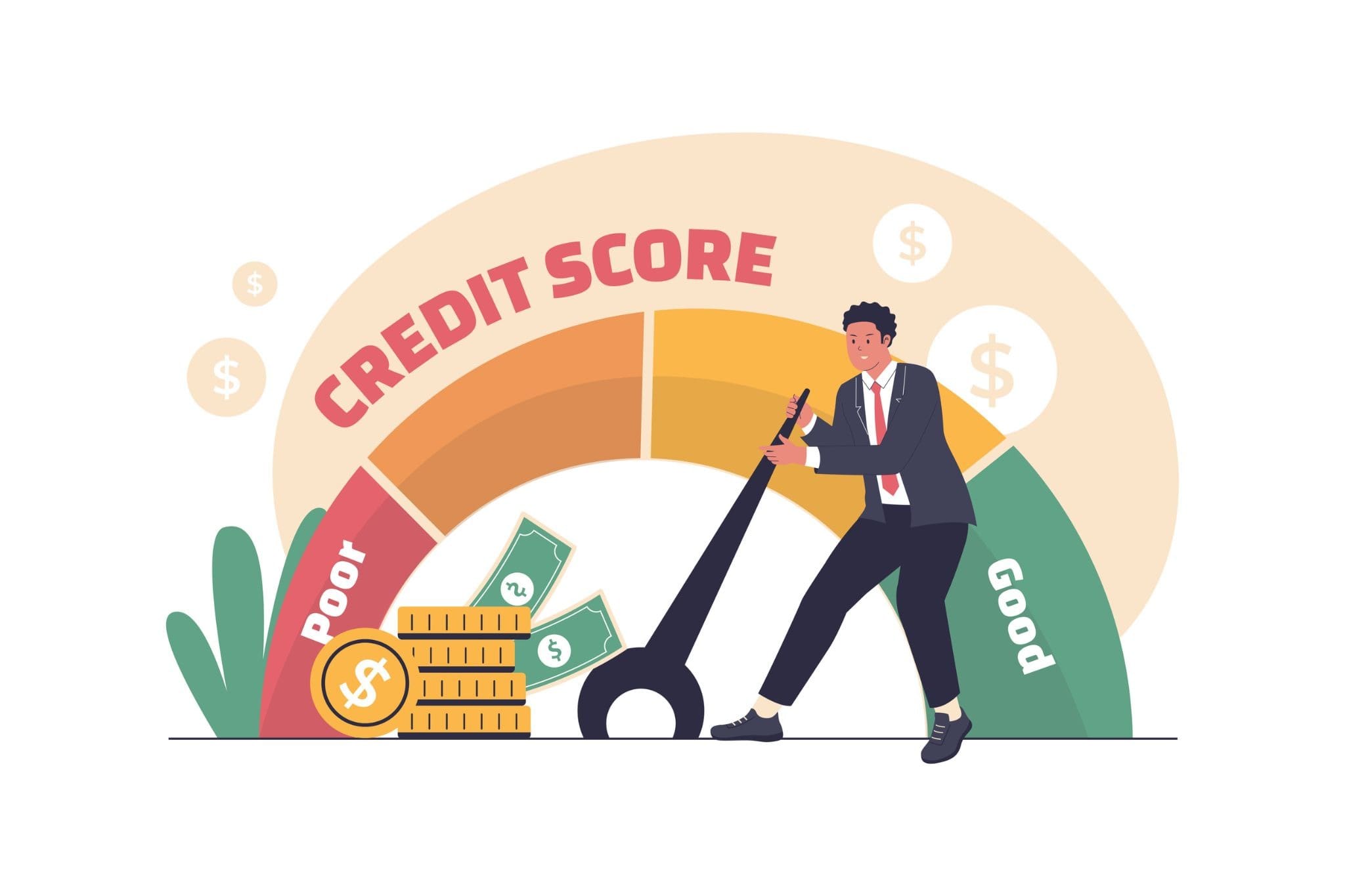
Credit scores in Malaysia run from 300 to 850. Banks and lenders use these scores to assess risk and determine lending terms.
Score Range
Category
What It Means for You
744-850
Excellent
Access to a wide variety of loan and credit card options with competitive rates and flexible terms
697-743
Good to Very Good
Wider loan and credit card options with friendlier rates, viewed as lower risk
651-696
Fair
Credit access exists but the best rates may be out of reach, some credit hiccups visible
Below 650
Low to Poor
Limited ability to secure loans, may result in higher interest rates where approved
These ranges serve as general guidelines. Individual lenders have their own internal criteria, and your score is interpreted alongside your income, employment, and existing commitments.
The Difference Between CCRIS And Private Credit Reports
CCRIS (Bank Negara Malaysia): Free to access through eCCRIS, shows your financing and repayment history with participating financial institutions over the past 12 months. It’s a factual report of your loan accounts, outstanding balances, and payment conduct. CCRIS doesn’t provide a credit score, just the raw data.
Private Credit Reporting Agencies: CTOS, Experian, and Credit Bureau Malaysia are registered under the Credit Reporting Agencies Act 2010. CTOS charges RM27.90 for their report, which includes a credit score calculated using data from CCRIS plus additional sources like public records and litigation history. These reports keep 24 months of credit history.
Banks may reference both CCRIS data and private credit reports when evaluating applications.
How Credit Scores Impact Different Loan Types
Personal Loans
Personal loans carry no collateral, which means your credit score and income become the primary factors in approval decisions. Banks are taking on more risk with unsecured lending, so they scrutinise credit behaviour more carefully. The interest rate gap between excellent credit and fair credit can add thousands of ringgit to your total repayment over a five-year tenure.
Credit Cards
Bank Negara requires RM24,000 minimum annual income for credit card applications, but meeting the income requirement alone doesn’t guarantee approval. If you earn RM36,000 or less annually, regulations limit you to cards from two issuers maximum, with combined credit limits capped at twice your monthly income. Within these constraints, your credit score becomes especially important in determining approval and the credit limit offered.
Housing Loans
Banks conduct their most thorough assessment on home loan applications given the size and duration of these commitments. Even a 0.5 percentage point difference on a RM500,000 loan over 30 years translates to tens of thousands of ringgit in additional interest payments.
Housing loan rejections remain visible on your CCRIS for 12 months. Apply to one bank first. If rejected, understand why before applying elsewhere, as multiple failed applications may raise concerns.
Five Ways to Improve Your Credit Profile
1. Pay Everything on Time: Payment history forms the largest component of credit score calculations. Set up auto-debit 3-4 days before your due date to avoid interbank transfer delays. This ensures bills get paid even if you forget.
2. Keep Credit Card Balances Low: Using a high percentage of your available credit signals financial stress. Stay well below your credit limits. If you regularly approach your maximum limit, requesting a credit limit increase can help improve your credit utilisation ratio.
3. Pay Down Existing Debt: Focus on clearing high-interest debts first, particularly credit card balances and personal loans. These typically carry interest rates of 15-18% annually. If you’re managing multiple high-interest debts, debt consolidation through bank consolidation programmes might help.
4. Check Reports for Errors Regularly: Check both CCRIS and CTOS at least once a year. Banks occasionally report incorrect information. If you spot mistakes, contact the relevant bank promptly with proof of payment.
5. Space Out Applications: Each loan or credit card application creates a hard inquiry on your credit report. Multiple applications within a short timeframe can give lenders the impression of financial instability. Failed applications remain visible on CCRIS for 12 months.
Timeline For Credit Improvement
Understanding how long information stays on your credit reports helps you plan when to apply for major loans:
Event Type
CCRIS Visibility
CTOS Visibility
Payment history
12 months
24 months
Hard inquiries (applications)
12 months
24 months
Loan accounts
Duration of loan + 12 months after closure
Duration of loan + 24 months after closure
Legal judgments/court cases
N/A (not tracked)
2 years from settlement
Bankruptcy
While bankrupt
2 years from full settlement
Positive financial behaviour starts appearing in your reports immediately, but negative marks take time to age off your record. If you miss a payment in January 2024 but pay everything on time afterwards, that missed payment will still appear on your CCRIS until January 2025 and on your CTOS report until January 2026.
You can generally expect to see noticeable improvement after at least six months of consistent positive behaviour. For major loan applications like mortgages, waiting 12 months is often advisable. Banks want to see a full year of payment history.
More serious negative marks like bankruptcy or legal judgments stay on your record for 7-10 years. If you’re struggling with debt, seek help from AKPK before situations escalate to legal action.
What To Do Next
Improving your credit profile is a gradual process, but you can start today:
Get Your Reports: Access your free CCRIS report through eCCRIS. You’ll need to register using your MyKad and complete a one-time RM1 verification transfer through internet banking (refunded within two working days). Consider purchasing your CTOS report to see your actual credit score.
Review for Accuracy: Check that all loan accounts listed are actually yours. Verify that payment records are correct. Look for any accounts marked as “special attention” or showing late payments you don’t recognise.
Make a Payment Plan: Set up auto-payments for all recurring bills and loan instalments. Calculate your current Debt Service Ratio (total monthly debt payments divided by nett monthly income). If it’s above 60%, focus on paying down debt before taking on new commitments.
Monitor Progress: Check your credit reports every 3-6 months to track improvement. As negative marks age off and positive payment history builds, you’ll see your score gradually improve. Once you’ve maintained six months of good financial behaviour and moved into the “Good” range (above 697), you’re in a much stronger position when approaching banks.
Remember that your credit score is one factor among many that banks consider. Steady employment, reasonable debt levels, and a good banking relationship all work together to present you as a reliable borrower. While you can’t fix your credit score overnight, every on-time payment and ringgit of debt paid down contributes to strengthening your overall financial profile.
Follow us on our official WhatsApp channel for the latest money tips and updates.
Christina writes about personal finance with an eye for making the complicated feel straightforward. She is drawn to the everyday money decisions people face and genuinely enjoys finding the clearest way to explain them. Between articles, she is probably napping, on a hiking trail, or terrorising her sister’s cats.
00votes
Article Rating
SHARE
About THE AUTHOR
Christina Chandra
Christina Chandra
Christina writes about personal finance with an eye for making the complicated feel straightforward. She is drawn to the everyday money decisions people face and genuinely enjoys finding the clearest way to explain them. Between articles, she is probably napping, on a hiking trail, or terrorising her sister's cats.







Comments (0)