Alex Cheong Pui Yin
Previously covered recruitment-related stories and had a short stint as a copywriter for the property industry. She subsequently developed an interest in investment and robo-advisors.

13th November 2020 - 3 min read
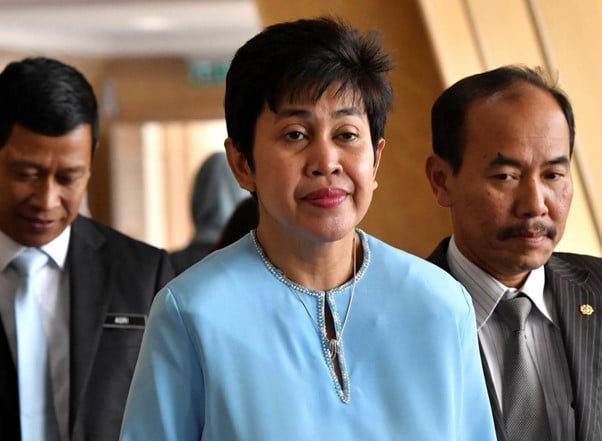
(Image: The Edge Markets)
Bank Negara Malaysia (BNM) governor, Datuk Nor Shamsiah Mohd Yunus has said that reimplementing a blanket loan moratorium is not a step that will best benefit Malaysia’s economy.
“Reimposing a blanket moratorium would not be a proportionate or responsible response in this current circumstance,” said Nor Shamsiah. She also stated that while the blanket moratorium puts money in people’s pockets in the short term, it creates a lot of economic distortions and has a negative impact on the economy.
“Those who can afford to pay should pay down their debt as this will constrain growth and hurt the economy as more borrowers struggle under the weight of higher debt,” said Nor Shamsiah, adding that a debt-driven growth is unsustainable. She also drew on statistics, saying that Malaysia’s household debt-to-GDP is currently rated at around 90% – an all-time high for the country. To clarify, a high household debt-to-GDP indicates that households are not earning enough to pay off its debts, and may potentially be forced to default on it.
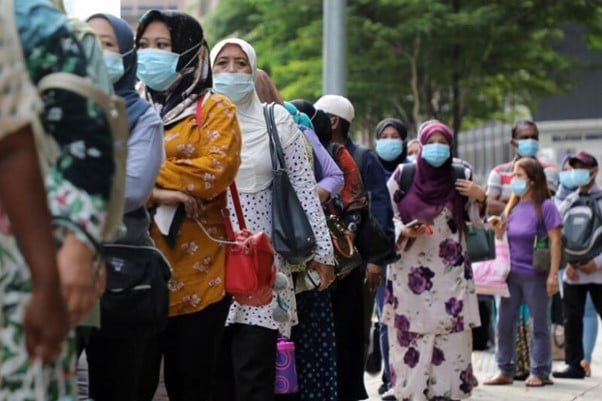
(Image: Mashable)
Nor Shamsiah further said that aside from increasing the overall debt levels, the blanket moratorium will also limit the capability of financial institutions to make new loans to households and businesses. This is because of depleted bank buffers, which makes banks more vulnerable to risk as well. She further stressed that it is important to preserve banks’ capital and liquidity buffers so that they can continue to lend and support economic recovery.
“While it is true that our banks currently have strong buffers, we have also seen how quickly this can turn. From our own experience in the 1990s, leading up to the Asian financial crisis and 2008 global financial crisis, given our limited resources, Malaysia – as in the case of all other countries – can ill afford a concurrent economic and financial crisis,” said Nor Shamsiah.
On top of that, Nor Shamsiah said that a blanket moratorium will undermine the interest of depositors that rely on banks to keep their money secure, as well as Malaysians who hold shares of banks via various funds. She cited examples of such funds, including Amanah Saham Bumiputera (ASB), Employees Provident Fund (EPF) retirement savings, Tabung Haji, as well as pensions in Retirement Fund (Inc) (KWAP).
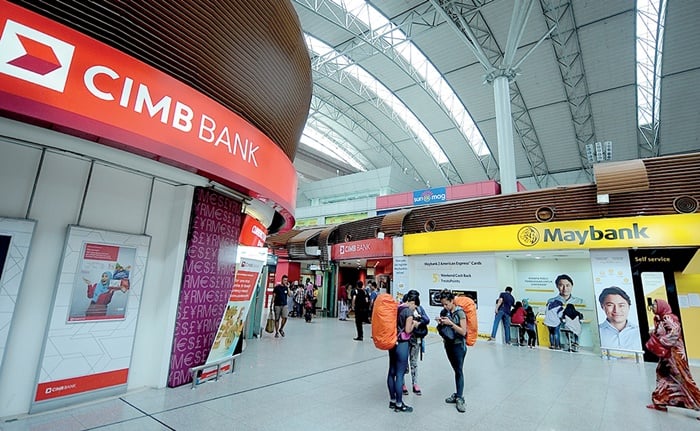
(Image: The Malaysian Reserve)
“Albeit the confidence and trust in the banking system and banking sector’s stability, this is something that we must preserve and not take for granted. And not just by the impact of our actions today, but how they will shape public trust and confidence in banking system in the future. So whatever we do, we must remember that banks safeguard the hard earned savings of all Malaysians,” Nor Shamsiah expressed.
Finally, Nor Shamsiah said that 85% of borrowers have resumed their loan repayments since the country switched to targeted repayment assistance after the end of the first automatic blanket moratorium in September 2020. The targeted aids that were offered are meant to benefit those who have lost their source of income, as well as individuals and businesses who were severely impacted by the Covid-19 pandemic. Saying that this is an encouraging sign for the country’s economy, Nor Shamsiah also expects the number of borrowers who can resume servicing their loans to increase as the economy recovers further.
(Source: The Edge Markets, New Straits Times)
Previously covered recruitment-related stories and had a short stint as a copywriter for the property industry. She subsequently developed an interest in investment and robo-advisors.








Comments (0)