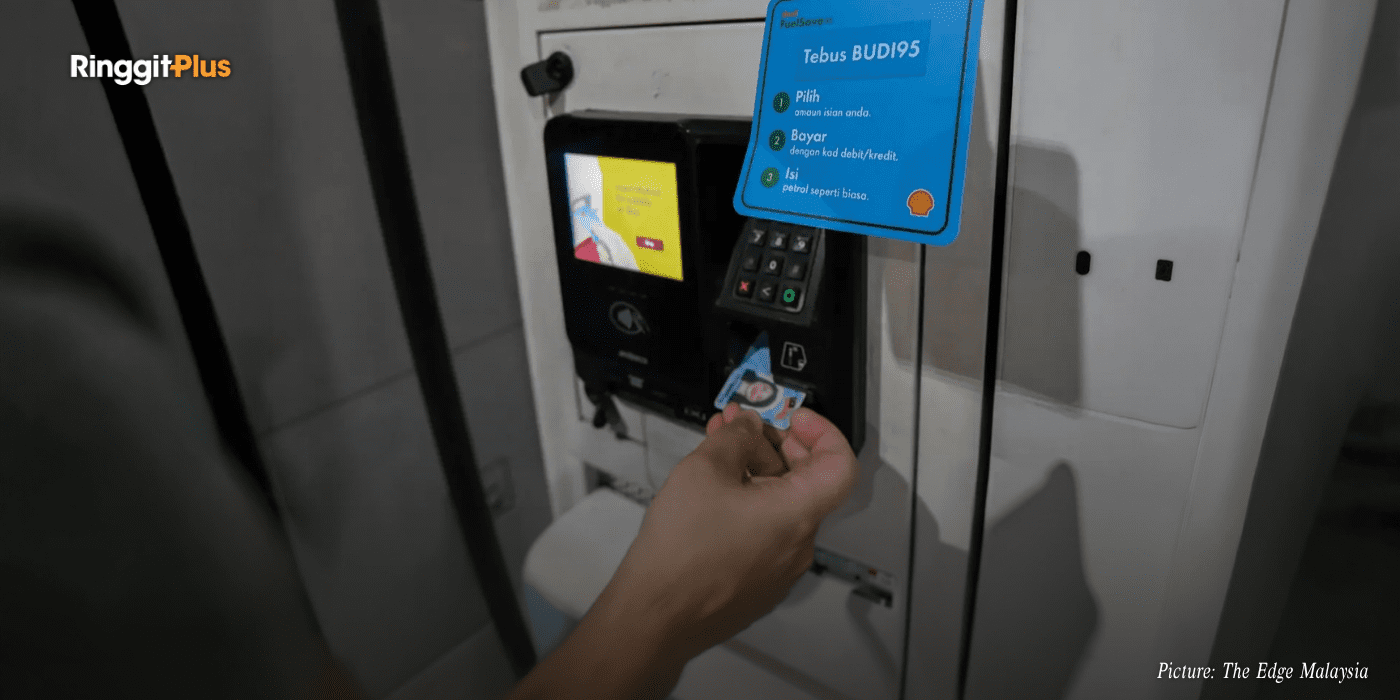
Monthly fuel use under BUDI95 now comes with a lower cap after the government reduced the purchase limit from 300 litres to 200 litres, effective 1 April. The price remains at RM1.99 per litre, so the change is centred on the amount that can be bought each month, not the rate at the pump.
Prime Minister Datuk Seri Anwar Ibrahim announced the adjustment during a special live broadcast, saying it was meant to help maintain energy supply following the Iran war. He also said fuel supply remains sufficient and stable, with targeted support continuing for those covered under the scheme.
Most Drivers Are Unlikely To Be Hit Equally
For many households, the lower cap may not immediately change much. Anwar said the average Malaysian uses around 100 litres of fuel a month, while 90 per cent of the population consumes less than 200 litres monthly, which suggests the revised limit is meant to cover typical usage.
The effect becomes easier to feel when a month involves more driving than usual. Longer commutes, repeated outstation travel, or one car handling most of the family’s day-to-day movement can push fuel use up faster, leaving less room before the monthly limit is reached.
The Pressure Falls More On Usage Than On Price
Because the pump price has not changed, this is not the kind of fuel update that shows up straight away as a higher cost per litre. Instead, it is more likely to be felt in the way monthly travel is managed, especially where fuel use is already high.
That makes the change more relevant for people who depend heavily on their cars for work, school runs, or regular long-distance travel. In those situations, the lower cap leaves less flexibility across the month, particularly when unexpected trips come up or daily driving needs are difficult to reduce.
Daily Routines Could Need Closer Tracking
For anyone already keeping an eye on transport spending, the revised cap adds another limit to plan around. Fuel costs rarely sit on their own, as they usually come together with tolls, parking, and other commuting expenses, so a smaller subsidised allocation can have a knock-on effect on how monthly travel is organised.
This does not mean every BUDI95 user will need to change their routine. It does mean months with heavier road use may now require closer attention, because the subsidised portion may run out sooner than before.
Targeted Support Is Still Being Maintained
Anwar said the government was acting proactively to ensure BUDI95 and other targeted measures continue to protect the public. The subsidy itself has not been withdrawn, and the official message is that supply remains secure.
What changes here is the buffer. A lower cap still leaves the scheme in place, but gives heavier users less room within the subsidised allocation than they had before.
The Change Will Be Felt Differently From One Driver To Another
A driver whose monthly routine stays well below 200 litres may barely notice the adjustment. A driver covering longer distances every week, however, may feel the difference much sooner, even though the price on the pump stays the same.
That is where this update becomes more than just a policy announcement. It affects how far the monthly allocation can stretch, and for some households, that can shape how travel is planned from one week to the next.
Follow us on our official WhatsApp channel for the latest money tips and updates.
Samuel writes about personal finance and financial news, focusing on how banking updates, policies, and promotions affect everyday money decisions. He enjoys making complicated financial topics easier to follow. Outside of writing, he spends his time watching TV shows and occasionally convincing himself he will only watch one episode.
00votes
Article Rating
SHARE
About THE AUTHOR
Samuel Chua
Samuel Chua
Samuel writes about personal finance and financial news, focusing on how banking updates, policies, and promotions affect everyday money decisions. He enjoys making complicated financial topics easier to follow. Outside of writing, he spends his time watching TV shows and occasionally convincing himself he will only watch one episode.
We provide weekly updates on every Friday at 5pm on the prices of RON95, RON97 and Diesel in Malaysia and a chart that shows the movement of fuel prices across a 6-week period. Bookmark this page now!







Comments (0)