Malaysia’s ringgit is forecast to strengthen further in the coming months, supported by expectations of monetary easing, and government-led reforms. Analysts suggest the currency could approach its strongest level against the US dollar in almost a year if these factors align with improving external conditions.
Ringgit Performance in 2025
As of 18 August 2025, the ringgit was trading at 4.2220 per US dollar, marking a 5.8% gain against the greenback so far this year. Against the Singapore dollar, however, it has slipped 0.6% year-to-date to 3.2919.
The rally that began after a low in April has since paused, but upcoming inflation data may revive expectations of further interest rate cuts by BNM. Analysts believe this could encourage fresh inflows into Malaysian bonds.
Forecasts for the Months Ahead
OCBC Bank expects the ringgit to strengthen to 4.15 per US dollar in the fourth quarter of 2025, while Maybank projects an even stronger level of 4.10 by December. MUFG Bank, part of Japan’s Mitsubishi UFJ Financial Group, forecasts a 1.5% gain from current levels by the end of the year, supported by Malaysia’s improved export competitiveness following a reduction in US tariffs.
Monetary Policy and Bond Flows
BNM cut its policy rate by 25 basis points in July, aligning itself with other regional central banks. The move followed a record inflow of US$4.3 billion into Malaysian bonds in the second quarter, as investors positioned for policy easing.
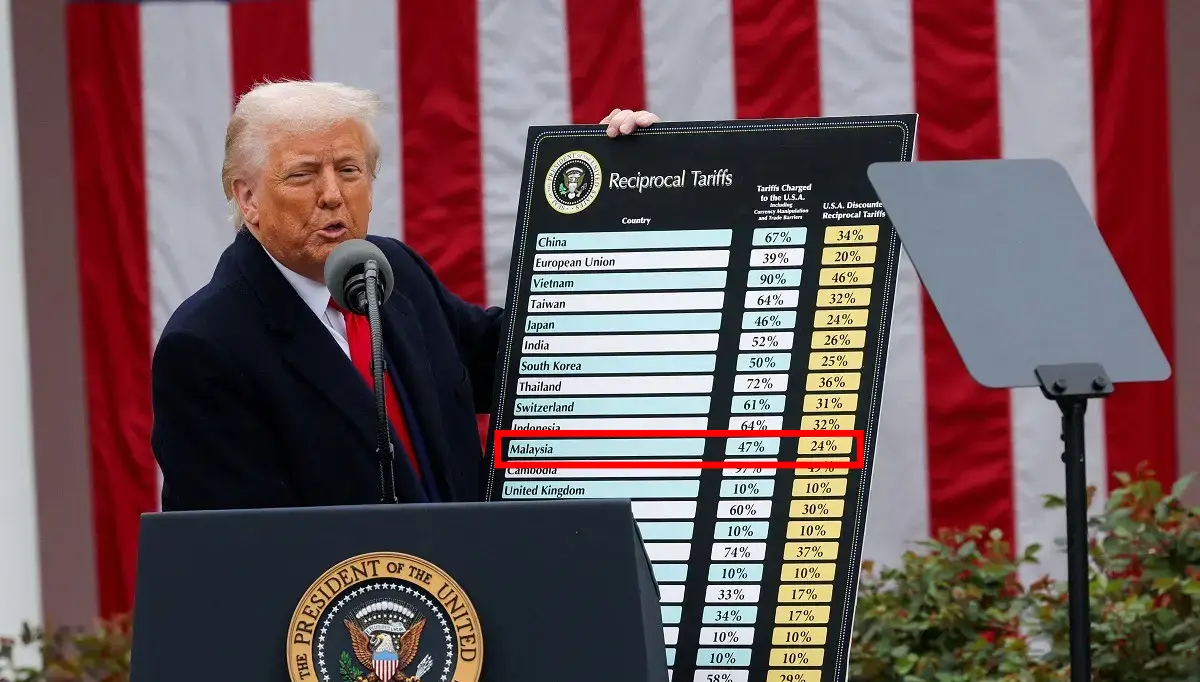
Although lower domestic rates can weigh on a currency, the risk of capital outflows is tempered by the likelihood of a US Federal Reserve rate cut in September, which would reduce the relative strength of the dollar. The tariff agreement with Washington, which lowered the reciprocal rate on Malaysian goods to 19% from a threatened 25%, is also seen as helping to support the ringgit.
Fiscal Policies and Structural Reforms
The government has introduced both supportive stimulus measures and steps to tighten its fiscal position. Prime Minister Anwar Ibrahim announced a one-off RM2.8 billion package that includes cash handouts and lower fuel prices, while at the same time moving to reduce diesel subsidies and broaden the sales and service tax.
Analysts view this combination of targeted spending and fiscal consolidation as a positive for investor confidence. MUFG strategist Lloyd Chan said that contained inflation may strengthen expectations of further BNM policy easing, while structural reforms aimed at productivity and fiscal discipline should provide more lasting support for the ringgit.
Risks from Trade Uncertainty
Despite the improving domestic backdrop, external risks remain significant. Analysts note that uncertainty in global trade continues to pose a challenge.
Matthew Ryan, head of market strategy at Ebury Partners, warned that if tariffs were to rise above current levels, Malaysian businesses could be affected, leading to a more pronounced sell-off in the ringgit.
Outlook for the Ringgit
Overall, analysts are cautiously optimistic. Supportive domestic policies, strong foreign bond inflows, and fiscal reforms provide a solid foundation for the ringgit. Most forecasts suggest the currency could end 2025 between 4.10 and 4.15 per US dollar, provided global trade tensions remain contained and external monetary conditions remain favourable.
Follow us on our official WhatsApp channel for the latest money tips and updates.
Samuel writes about personal finance and financial news, focusing on how banking updates, policies, and promotions affect everyday money decisions. He enjoys making complicated financial topics easier to follow. Outside of writing, he spends his time watching TV shows and occasionally convincing himself he will only watch one episode.
Samuel writes about personal finance and financial news, focusing on how banking updates, policies, and promotions affect everyday money decisions. He enjoys making complicated financial topics easier to follow. Outside of writing, he spends his time watching TV shows and occasionally convincing himself he will only watch one episode.






Comments (0)