Alex Cheong Pui Yin
Previously covered recruitment-related stories and had a short stint as a copywriter for the property industry. She subsequently developed an interest in investment and robo-advisors.

15th May 2024 - 3 min read
The Association of Banks in Malaysia (ABM) and the Association of Islamic Banking and Financial Institutions Malaysia (AIBIM) have issued an alert, cautioning the public of scammers who are impersonating officers from the National Scam Response Centre (NSRC). This comes following a rise in such cases.
In a joint statement, ABM and AIBIM explained that the scammer would pose as an NSRC officer and attempt to intimidate victims by claiming that the victim’s personal particulars have been used in criminal or fraudulent activities, such as money laundering or mule account transactions. This would be followed by a lengthy “interrogation” process, which could involve repeated phone calls over a period of time; this seeks to establish a sense of authenticity to convince the victim.
Once the victim has been convinced, he or she will be asked to leave their debit cards at a designated location. ABM and AIBIM said that this will then allow the fraudster to make unauthorised cash withdrawals at ATMs, and even access the victim’s online banking account to make unauthorised transfers and payments. Some scammers have even gone so far as to register for an online banking facility if the victim is not onboarded for such services.
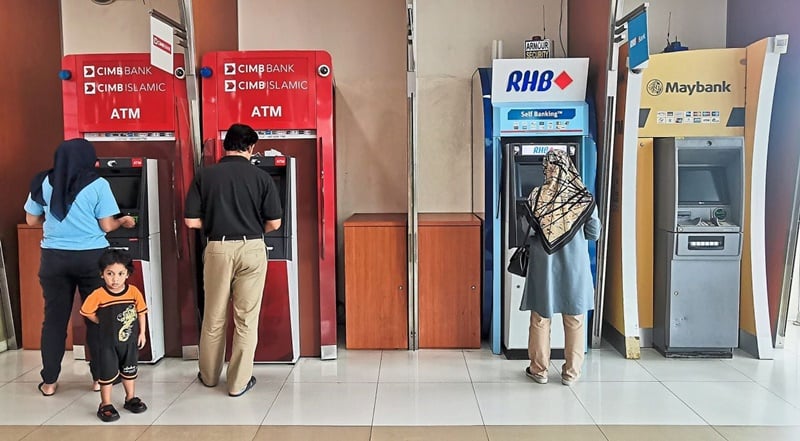
“Customers are urged to immediately hang up if they receive calls from individuals claiming to be NSRC officers, as NSRC only receives calls from the public and does not make any outbound calls to individuals,” both associations noted in the statement.
In addition to the NSRC, the public is also advised to be cautious of anyone who claims to be from enforcement agencies and regulatory bodies, such as Bank Negara Malaysia (BNM) and the Royal Malaysia Police (PDRM). None of these bodies will attempt to convince members of the public to transfer funds out of their bank accounts or divulge their online banking credentials over the phone.
ABM and AIBIM further stressed that their bank members, too, will never request for sensitive details like credit or debit card numbers and card verification value (CVV) numbers, as well as online banking usernames and passwords. If you have fallen victim to scams, do immediately call the NSRC at 997 or contact your banks’ customer service hotline for assistance.
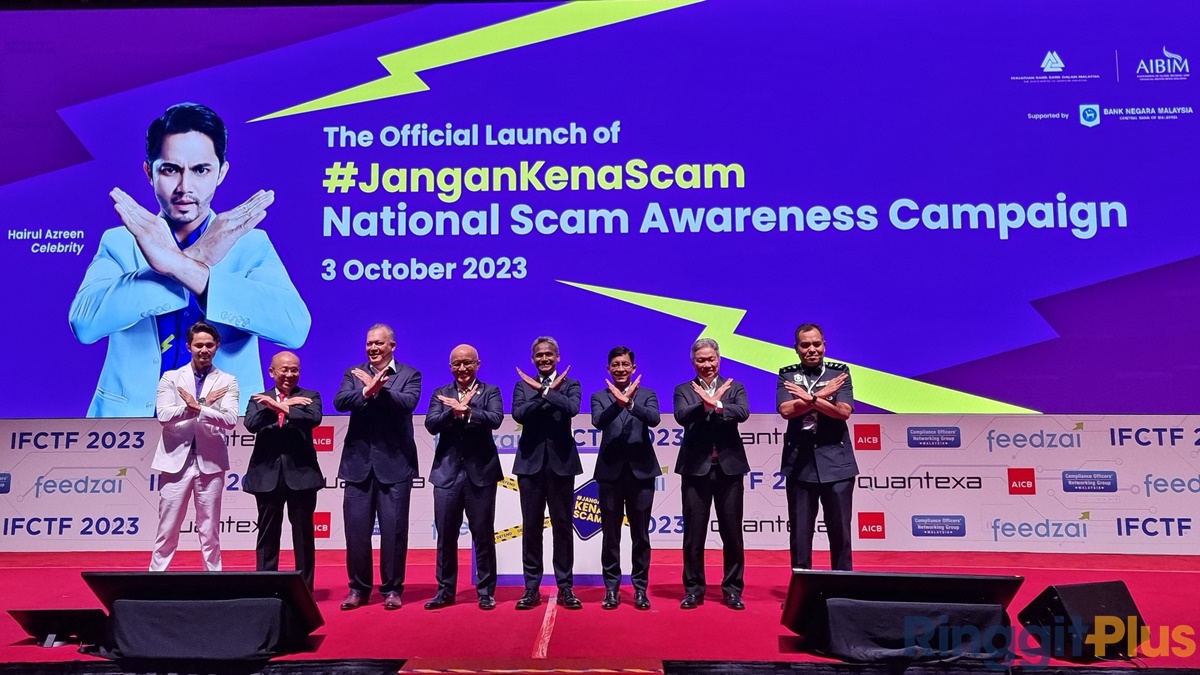
Finally, both associations also reminded the public to continue staying vigilant and to avoid clicking on suspicious hyperlinks, downloading apps from unverified sources, and sharing their banking credentials with other people, including family and friends – among other things. To learn more about how you can protect yourself from scams, as well as the latest scam modus operandi, head on over to the Jangan Kena Scam website here – a joint effort by various members of the banking industry.
Previously covered recruitment-related stories and had a short stint as a copywriter for the property industry. She subsequently developed an interest in investment and robo-advisors.





Comments (0)