Consumer spending in Malaysia expanded at a slower pace in January as wholesale and retail sales eased from the strong pace recorded a month earlier.
Total wholesale and retail trade sales reached RM159.8 billion in January 2026, representing a 7.3% increase compared with the same month last year, according to the Department of Statistics Malaysia.
The growth remains healthy, but the pace of spending slowed after December’s year-end surge. On a seasonally adjusted basis, the volume of wholesale and retail trade declined by 2.4% from the previous month, suggesting many households pulled back slightly after the heavy holiday spending at the end of the year.
Everyday Retail Spending Still Anchoring Activity
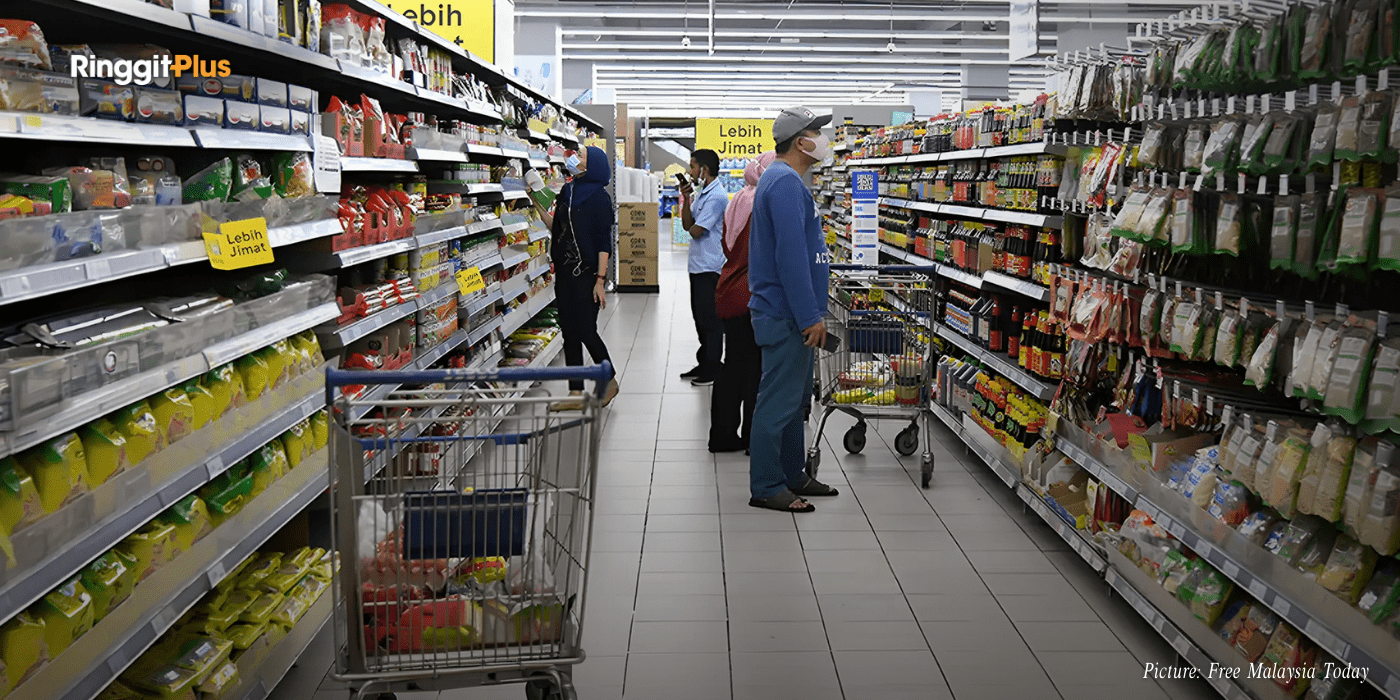
Much of the spending in January still happened in everyday places such as supermarkets, department stores and other retail outlets.
Retail trade recorded RM70.2 billion in sales, growing 6.1% compared with a year earlier. Wholesale trade followed closely at RM70.8 billion, rising 6.0% year on year.
For most households, this reflects routine purchases such as groceries, household items and other daily necessities that continue even when overall spending slows slightly.
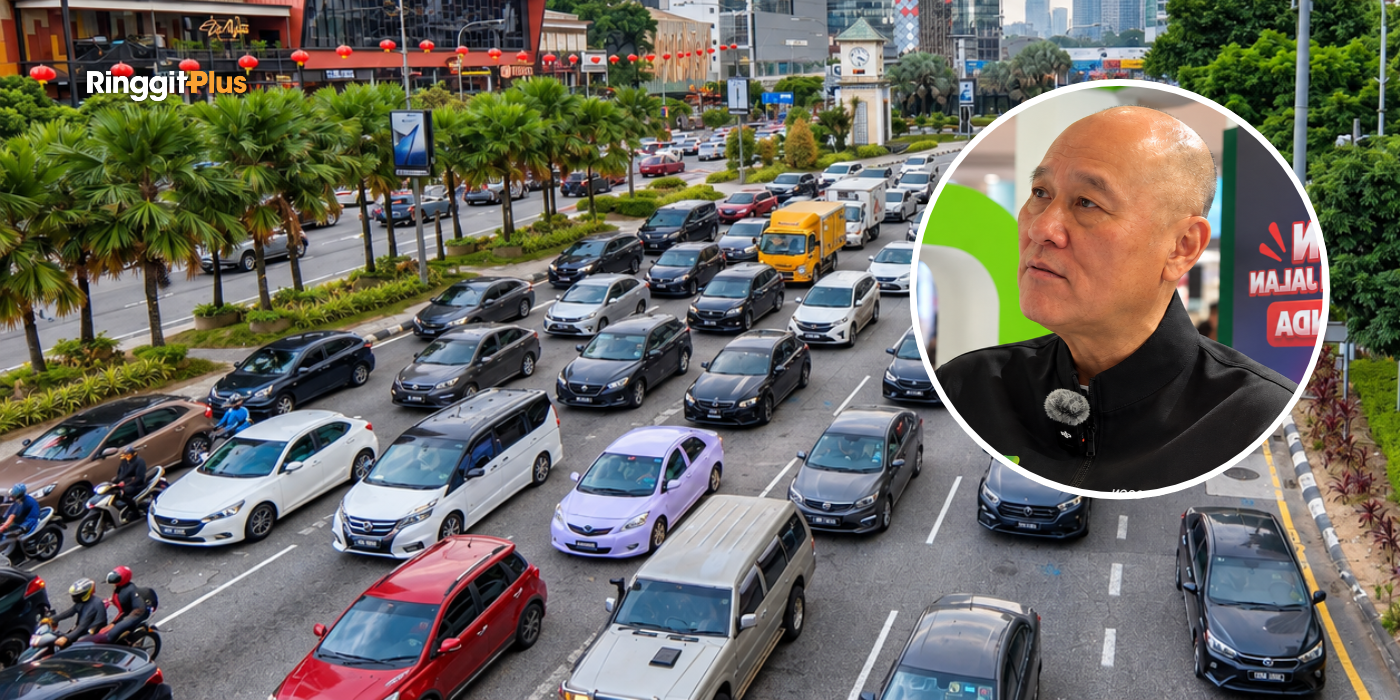
One area where spending picked up strongly was vehicle purchases. Sales in the motor vehicles segment reached RM18.8 billion, increasing 17.3% from a year earlier.
Car dealers often launch promotional campaigns early in the year, and some households choose this period to replace vehicles or prepare for festive travel.
Seasonal Spending Helped Lift Retail Sales
January also benefited from several seasonal spending drivers.
School holidays and the disbursement of Bantuan Awal Persekolahan encouraged families to spend more on school supplies, groceries and other household needs. Early preparations for Chinese New Year also supported purchases of festive food, gifts and decorations.
Supermarkets and department stores saw particularly strong activity. Sales in non-specialised retail stores rose 7.9% year on year to RM27.5 billion, reflecting higher spending on everyday essentials.
Specialised stores also recorded stronger sales, especially for pharmaceuticals, medical products and jewellery.
Taken together, the data suggests households were still spending actively in January, but much of that spending was tied to routine needs and festive preparations rather than large discretionary purchases.
Online Shopping Continues To Grow
Online retail activity continued to expand, although growth slowed slightly compared with December.
The index of internet retail sales increased 5.9% year on year in January, lower than the 8.9% growth recorded a month earlier.
That slowdown is typical after the year-end sales period, when online platforms run major promotional campaigns and holiday shopping peaks.
Even so, e-commerce remains an important part of everyday shopping as more consumers shift routine purchases online.
Cashless Payments Are Becoming Part Of Everyday Spending
While the pace of retail growth cooled slightly, digital payment usage continued to climb quickly.
E-money transactions reached RM30.3 billion in January, rising more than 55% from a year earlier. Other payment platforms such as real-time retail payments and online banking transfers also recorded strong activity.
For consumers, this reflects how quickly cashless payments have become part of daily spending, whether for transport, food delivery, groceries or online purchases.
Spending Remains Stable But Consumers Are Becoming More Selective
January’s figures show that consumer spending remains steady, but the momentum seen at the end of 2025 has softened.
Much of the growth came from vehicle purchases and routine retail spending rather than discretionary items. Supermarkets and department stores benefited from seasonal purchases, while promotional campaigns supported vehicle sales.
At the same time, the decline in month-on-month retail volume suggests households may be returning to more cautious spending habits after the year-end holiday period.
Another notable shift is how quickly payment behaviour is changing. The sharp rise in e-money transactions shows that even when spending growth slows, the way people pay for everyday purchases continues to move toward digital platforms.
Taken together, the data suggests consumers are still spending, but more selectively. Spending is concentrated on essentials, seasonal purchases and specific big-ticket items rather than increasing evenly across all categories.
Follow us on our official WhatsApp channel for the latest money tips and updates.
Samuel writes about personal finance and financial news, focusing on how banking updates, policies, and promotions affect everyday money decisions. He enjoys making complicated financial topics easier to follow. Outside of writing, he spends his time watching TV shows and occasionally convincing himself he will only watch one episode.
11vote
Article Rating
SHARE
About THE AUTHOR
Samuel Chua
Samuel Chua
Samuel writes about personal finance and financial news, focusing on how banking updates, policies, and promotions affect everyday money decisions. He enjoys making complicated financial topics easier to follow. Outside of writing, he spends his time watching TV shows and occasionally convincing himself he will only watch one episode.
We provide weekly updates on every Friday at 5pm on the prices of RON95, RON97 and Diesel in Malaysia and a chart that shows the movement of fuel prices across a 6-week period. Bookmark this page now!






Comments (0)