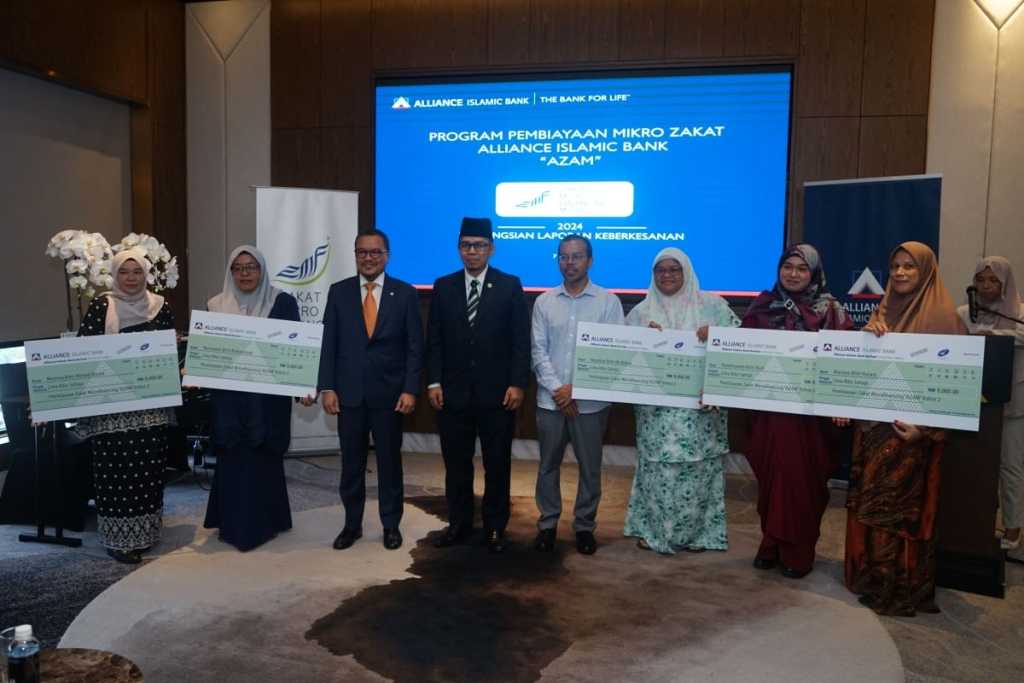
Alliance Islamic Bank (AIS) has revealed that participants have seen a 36% increase in business income within just one year of enrolment in its AZAM Zakat Microfinancing Programme. The initiative is designed to support asnaf micro-entrepreneurs with interest-free financing and structured support aimed at improving their economic independence.
The findings come from an independent evaluation conducted by Satu Creative, which assessed the first group of 36 entrepreneurs involved in the programme. According to the report, participants increased their average monthly revenue from RM2,151 to RM2,924. In addition to financial gains, more than 90% of respondents reported improvements in areas such as healthcare, education, and family well-being since joining the programme.
AZAM, which operates on a revolving fund model based on the Qard concept, aims to offer a sustainable form of zakat distribution. Repayments made by beneficiaries are channelled back into the fund to support future recipients, with the intention of extending financial assistance to more individuals over time.
The programme is structured in accordance with Maqasid Shariah and the principles of Value-Based Intermediation (VBI). Alliance Islamic Bank collaborates with Lembaga Zakat Selangor (LZS) to verify eligibility and with Amanah Ikhtiar Malaysia (AIM) to manage fund disbursement and provide training to participants. This model combines financial access with non-financial support to help recipients manage and grow their businesses effectively.
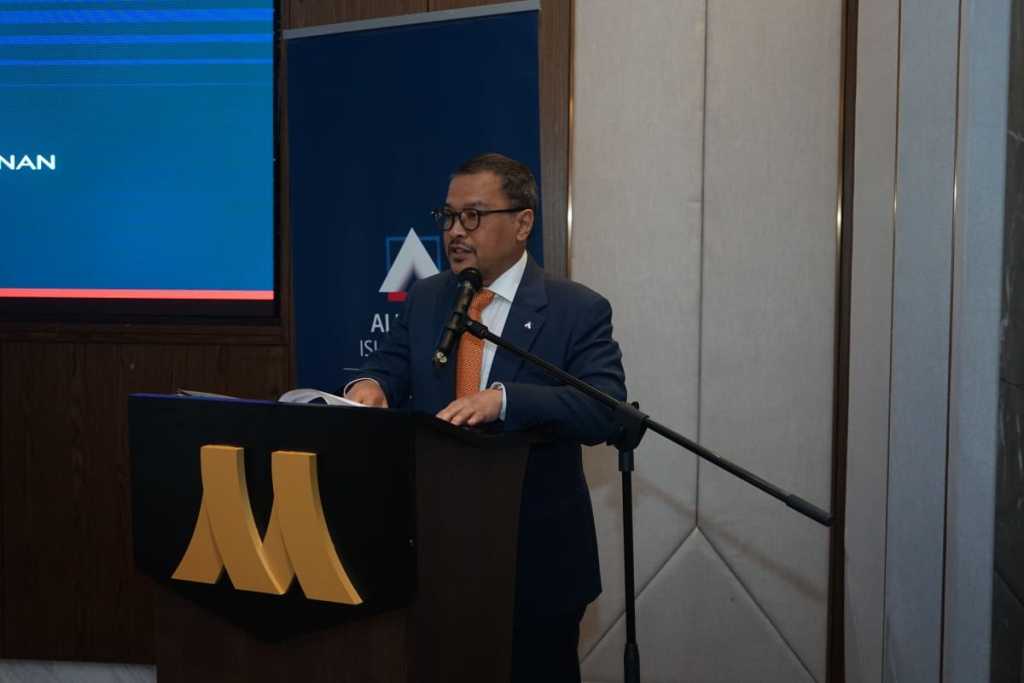
Chief Executive Officer Rizal IL-Ehzan Fadil Azim noted that the bank views the programme as a way to promote inclusive economic participation and to provide a platform for income generation.
“The success of AZAM lies not just in the numbers, but in the real-life impact on families and communities. It’s about enabling livelihoods, restoring dignity, and laying the foundation for a more inclusive economy,” he said.
Rizal also emphasised that AIS is focused on expanding the initiative and is currently in discussion with various State Religious Councils and Zakat Authorities to implement the model in other states.
AIS is also looking to broaden funding channels by incorporating wakalah-based zakat contributions. This would allow individuals and institutional donors to allocate their zakat payments directly to the AZAM fund through LZS. The bank is encouraging participation from private sector entities, government bodies, and non-governmental organisations to support the programme’s future development.
Samuel writes about personal finance and financial news, focusing on how banking updates, policies, and promotions affect everyday money decisions. He enjoys making complicated financial topics easier to follow. Outside of writing, he spends his time watching TV shows and occasionally convincing himself he will only watch one episode.
Samuel writes about personal finance and financial news, focusing on how banking updates, policies, and promotions affect everyday money decisions. He enjoys making complicated financial topics easier to follow. Outside of writing, he spends his time watching TV shows and occasionally convincing himself he will only watch one episode.










Comments (0)