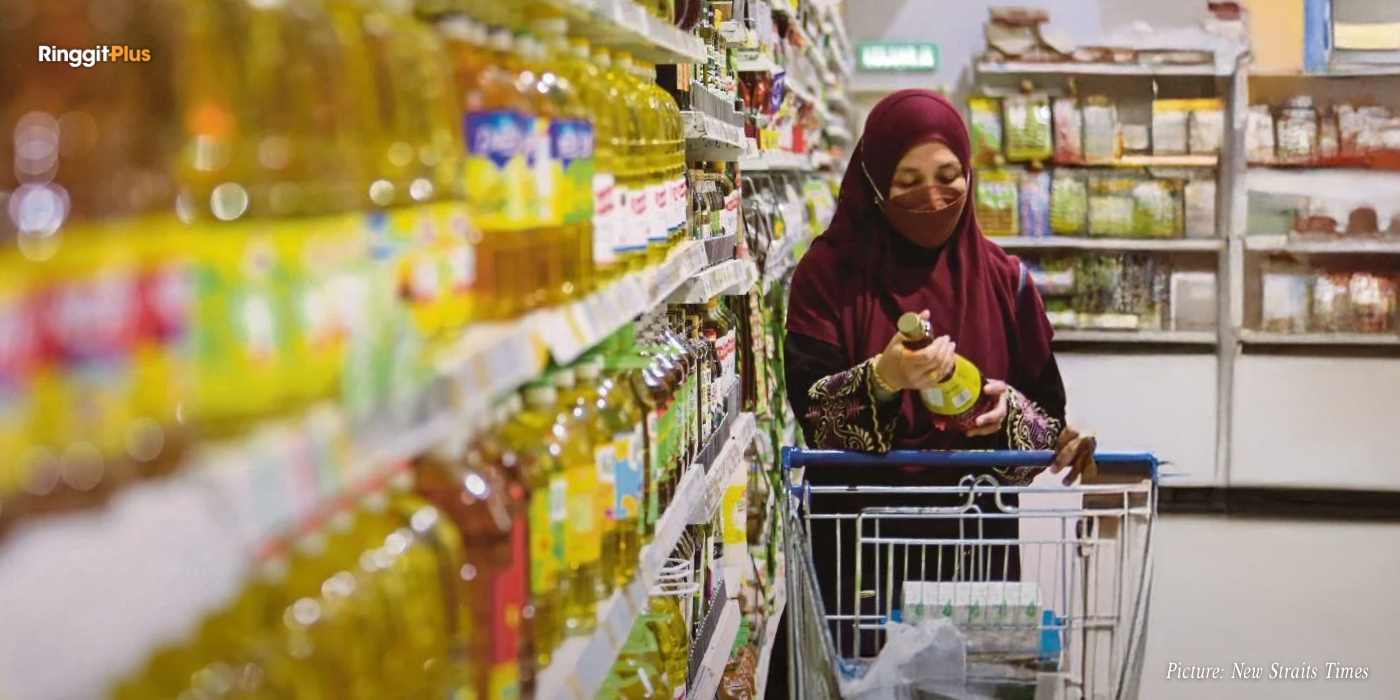
Regulations banning the sale of subsidised packaged cooking oil to non citizens are expected to come into force on 1 March 2026, according to Domestic Trade and Cost of Living Minister Datuk Seri Armizan Mohd Ali.
The regulations will be gazetted under the Control of Supplies Regulations, drafted pursuant to Section 6 of the Control of Supplies Act 1961. Armizan said the Ministry is currently finalising the regulations in consultation with the Attorney General’s Chambers, ahead of enforcement next year.
Ban To Be Implemented Under Existing Supply Control Laws
The prohibition will be enforced through existing supply control regulations rather than new legislation. Once gazetted, non citizens will no longer be allowed to purchase subsidised packaged cooking oil sold in Malaysia.
The move is intended to strengthen controls over subsidised goods and ensure that government assistance is reserved for Malaysian households.
Digital Tracking System To Support Enforcement
Enforcement of the ban will be supported by the Cooking Oil Price Stabilisation Scheme, known as eCOSS. The system digitally records data across the cooking oil supply chain, from distribution to retail level.
According to the Ministry, this allows authorities to track purchases and transactions more effectively, helping to address long standing issues such as diversion and smuggling of subsidised packaged cooking oil. The Ministry will continue improving eCOSS management through its mobile application and other available channels.
Mobile eCOSS Rollout Expanded In Stages
The Mobile eCOSS application has been rolled out gradually since May 2025. It was first introduced in Putrajaya, followed by premises under the Rahmah Madani Sales Programme.
The rollout then expanded to Johor in cooperation with the Johor State Government, before being extended to selected premises in other states. During the pilot phase, manual purchasing methods and manual transaction recording were still allowed to ensure uninterrupted access.
Measures In Place For Elderly And Low Income Households
Assistance continues to be provided at retail premises for senior citizens and low income groups who do not own mobile phones or have internet access.
Retailers support these customers through special arrangements to ensure they can continue purchasing subsidised cooking oil despite the increased use of digital monitoring tools.
Integration With MyKad And MyKasih Under Development
The Ministry is working to integrate eCOSS with the MyKasih platform, which would allow subsidised cooking oil purchases using the MyKad, similar to the implementation under the Sumbangan Asas Rahmah programme.
Discussions with the Ministry of Finance are ongoing to enable this integration. The QR code available on newer versions of the MyKad may also be used to verify purchases of subsidised cooking oil once the system is in place.
How The Cooking Oil Ban Affects Subsidy Access And Household Supply
Once enforced, the ban will restrict access to subsidised packaged cooking oil exclusively to Malaysian citizens. For households, this is intended to reduce pressure on supply by limiting non targeted consumption of subsidised goods.
From a subsidy management perspective, the use of eCOSS, combined with identity based verification, is expected to improve targeting and reduce financial leakages linked to diversion and smuggling. Stronger controls may help stabilise availability for eligible consumers without increasing subsidy costs.
The overall impact will depend on how consistently the system is applied at retail level and how well support mechanisms function for consumers who face barriers to digital access. The phased rollout and continued allowance for assisted purchases indicate that implementation is still being refined ahead of full enforcement in 2026.
Follow us on our official WhatsApp channel for the latest money tips and updates.
Samuel writes about personal finance and financial news, focusing on how banking updates, policies, and promotions affect everyday money decisions. He enjoys making complicated financial topics easier to follow. Outside of writing, he spends his time watching TV shows and occasionally convincing himself he will only watch one episode.
51vote
Article Rating
SHARE
About THE AUTHOR
Samuel Chua
Samuel Chua
Samuel writes about personal finance and financial news, focusing on how banking updates, policies, and promotions affect everyday money decisions. He enjoys making complicated financial topics easier to follow. Outside of writing, he spends his time watching TV shows and occasionally convincing himself he will only watch one episode.
We provide weekly updates on every Friday at 5pm on the prices of RON95, RON97 and Diesel in Malaysia and a chart that shows the movement of fuel prices across a 6-week period. Bookmark this page now!







Comments (0)