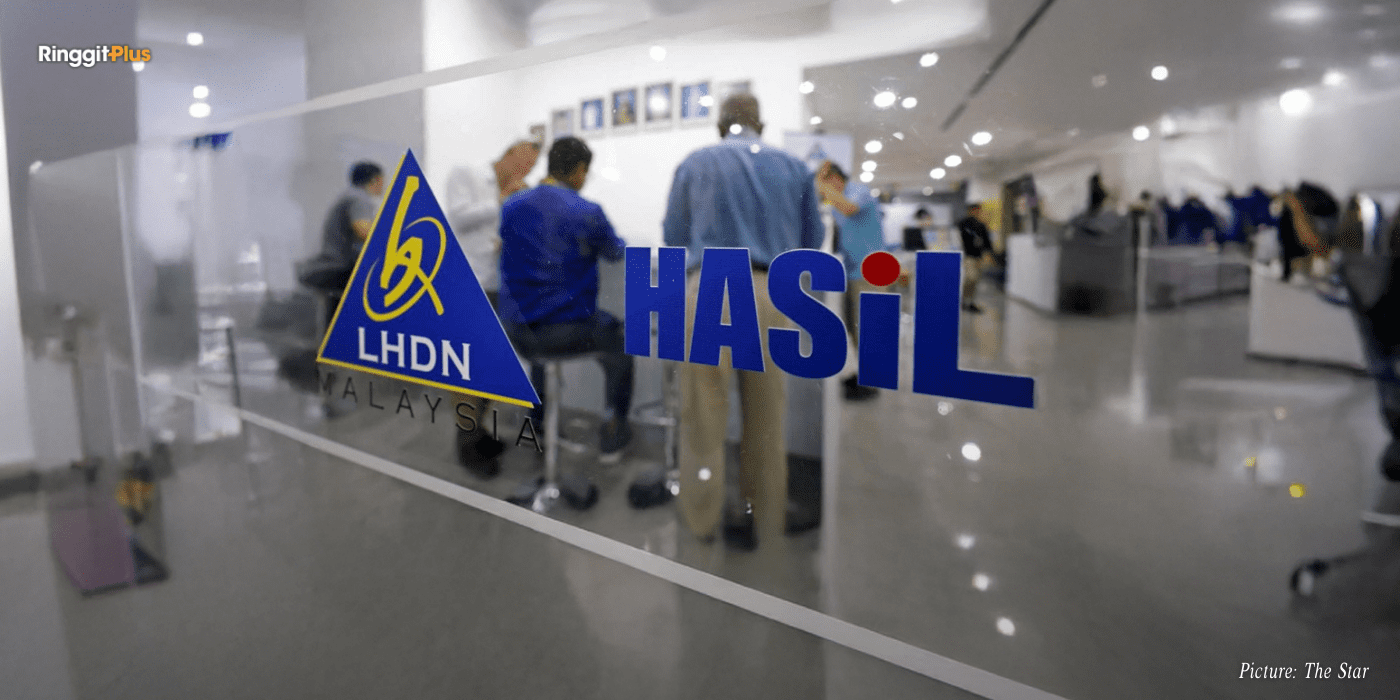
The Inland Revenue Board (LHDN) will adopt a fairer and more equitable approach this year to speed up the settlement of excess tax refunds, with priority given to older cases and smaller businesses, according to the Finance Ministry.
The Ministry said the move is aimed at improving cash flow for affected taxpayers while reducing the backlog of outstanding refund cases.
Older Refund Arrears To Be Settled First
This year, LHDN will apply the First In, First Out principle when processing excess tax refunds. Under this approach, older refund arrears will be prioritised before newer cases.
LHDN’s immediate focus is on settling corporate excess tax refunds for the 2023 year of assessment by the first quarter of 2026. Refunds related to the 2024 year of assessment are expected to be completed by the end of 2026.
Balanced Refund Distribution For Individual Taxpayers
At the same time, excess tax refunds involving taxpayers other than companies will continue to be distributed in a balanced manner, regardless of how long the cases have been pending.
The Finance Ministry said this approach is intended to ensure fairness across different taxpayer groups while larger backlogs are addressed through prioritisation.
Small Businesses May Receive Priority For Refunds
LHDN will also consider prioritising refund cases involving micro, small, and medium enterprises, particularly companies facing cash flow difficulties.
The Ministry said this reflects the government’s intention to support business continuity, especially for smaller firms that are more sensitive to delayed tax refunds.
Changes To Tax Reviews Aim To Reduce Future Refund Cases
Amendments to tax legislation have been introduced to allow companies to conduct an additional review of their estimated tax payments in the 11th month of the year.
Previously, reviews were only allowed in the sixth or ninth month, or both. With the added review window, estimated tax payments are expected to more closely match actual tax liabilities, which should reduce the number of excess tax refunds going forward.
Government Reaffirms Commitment To Full Refunds
Despite the changes, the Ministry said the government remains committed to fully refunding excess taxes and ensuring refunds are processed fairly and equitably, taking into account the interests of all taxpayers.
The statement was made in a parliamentary written reply dated 28 January.
Excess Tax Refunds And What This Means For Cash Flow Planning
The prioritisation of older refund cases and small businesses could improve cash flow certainty for companies that have been waiting extended periods for refunds. For businesses, especially micro and small enterprises, faster refunds may reduce reliance on short term financing to cover operating expenses.
The expanded tax review window may also help companies better align estimated tax payments with actual liabilities, lowering the likelihood of overpayment. Over time, this could reduce refund backlogs and improve predictability for both taxpayers and tax authorities.
However, corporate taxpayers should note that while older cases are being prioritised, newer refunds may still take time to process. Businesses may need to continue factoring potential delays into cash flow planning until the backlog is fully cleared.
The Ministry also disclosed that LHDN settled RM22.45 billion in excess tax refunds in 2025, involving 3.6 million taxpayers, including micro, small, and medium enterprises. This was the highest total refund amount recorded in the past five years.
Follow us on our official WhatsApp channel for the latest money tips and updates.
Samuel writes about personal finance and financial news, focusing on how banking updates, policies, and promotions affect everyday money decisions. He enjoys making complicated financial topics easier to follow. Outside of writing, he spends his time watching TV shows and occasionally convincing himself he will only watch one episode.
00votes
Article Rating
SHARE
About THE AUTHOR
Samuel Chua
Samuel Chua
Samuel writes about personal finance and financial news, focusing on how banking updates, policies, and promotions affect everyday money decisions. He enjoys making complicated financial topics easier to follow. Outside of writing, he spends his time watching TV shows and occasionally convincing himself he will only watch one episode.
We provide weekly updates on every Friday at 5pm on the prices of RON95, RON97 and Diesel in Malaysia and a chart that shows the movement of fuel prices across a 6-week period. Bookmark this page now!








Comments (0)