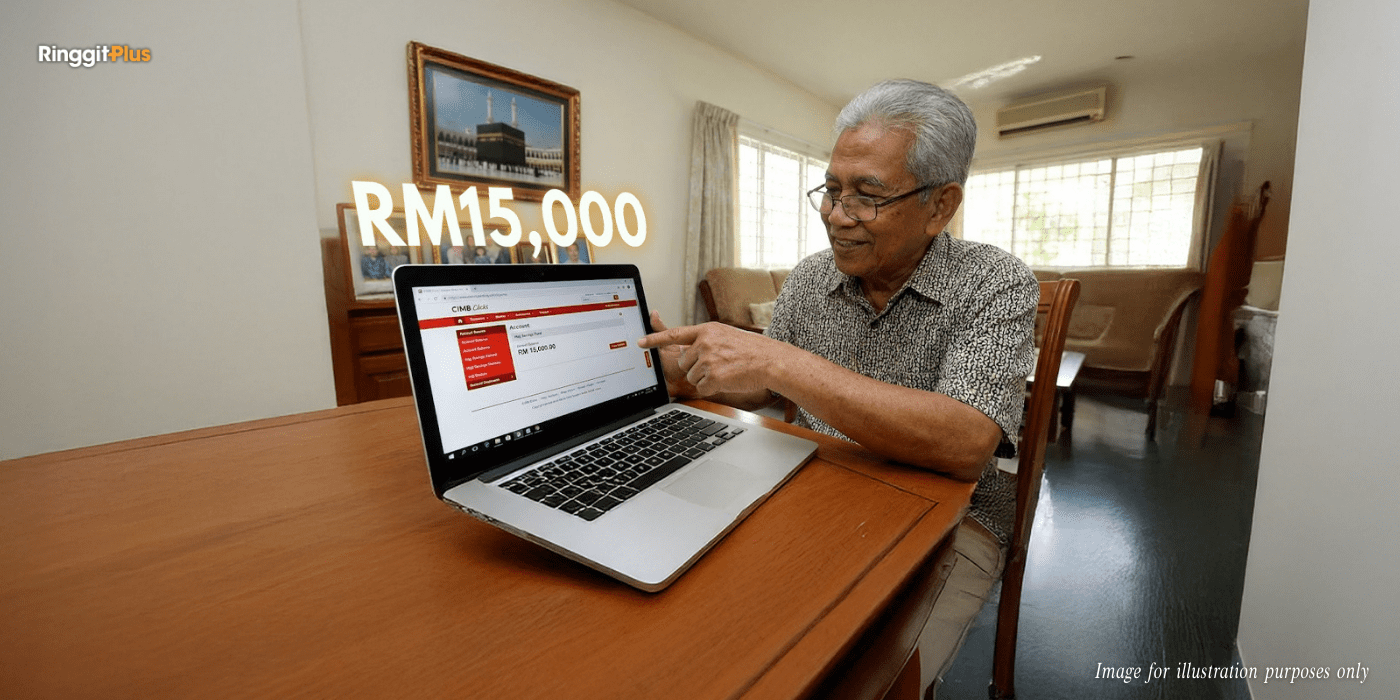
Lembaga Tabung Haji has set a minimum savings requirement of RM15,000 for pilgrims to accept their haj offers, as part of efforts to ensure pilgrims are financially able to perform the pilgrimage.
The requirement is intended to confirm that selected pilgrims meet the financial istita’ah, or capability, requirement for their allocated haj year.
Minimum Savings Used To Assess Financial Readiness
Deputy Minister in the Prime Minister’s Department for Religious Affairs Marhamah Rosli said the RM15,000 threshold allows Tabung Haji to screen prospective pilgrims who genuinely meet the financial capability criteria.
She said the amount represents the lowest haj payment rate set since 2025 and is used as a benchmark to assess whether pilgrims are financially prepared to proceed with their haj offer.
Fewer Haj Postponements Recorded This Season
According to Marhamah, the introduction of the minimum savings requirement has produced positive results. She said the rate of haj offer postponements has fallen sharply from 50 per cent in previous seasons to 18 per cent for the current haj season.
Minister in the Prime Minister’s Department for Religious Affairs Dr Zulkifli Hasan had earlier disclosed the 18 per cent figure on 2 January. He said health related issues were the main reason for postponements, while financial reasons have now dropped to third place.
Haj Costs Offset By Subsidies And Government Aid
In December 2024, Tabung Haji announced that pilgrims under the muassasah or basic scheme would receive a subsidy of 55 per cent, amounting to RM18,300. In addition, the government provides RM1,000 in financial assistance.
Former managing director and chief executive officer Syed Hamadah Syed Othman said these measures mean that pilgrims from the B40 income group only need to pay RM15,000 to perform the haj.
How The RM15,000 Requirement Affects Haj Planning And Savings
The RM15,000 minimum savings requirement shifts greater emphasis onto early financial planning for prospective haj pilgrims. For individuals on the waiting list, maintaining this savings balance increases the likelihood of being able to accept an offer when their turn arrives, reducing the risk of postponement due to financial constraints.
From a broader perspective, the policy helps Tabung Haji manage haj allocations more efficiently by matching offers with pilgrims who are financially and practically ready to proceed. This can reduce last minute withdrawals and improve overall utilisation of haj quotas.
For lower income households, the combination of subsidies and government assistance plays a critical role in keeping haj costs within reach. However, the savings requirement also reinforces the need for disciplined, long term saving through Tabung Haji accounts to ensure eligibility when an offer is made.
Follow us on our official WhatsApp channel for the latest money tips and updates.
Samuel writes about personal finance and financial news, focusing on how banking updates, policies, and promotions affect everyday money decisions. He enjoys making complicated financial topics easier to follow. Outside of writing, he spends his time watching TV shows and occasionally convincing himself he will only watch one episode.
00votes
Article Rating
SHARE
About THE AUTHOR
Samuel Chua
Samuel Chua
Samuel writes about personal finance and financial news, focusing on how banking updates, policies, and promotions affect everyday money decisions. He enjoys making complicated financial topics easier to follow. Outside of writing, he spends his time watching TV shows and occasionally convincing himself he will only watch one episode.
We provide weekly updates on every Friday at 5pm on the prices of RON95, RON97 and Diesel in Malaysia and a chart that shows the movement of fuel prices across a 6-week period. Bookmark this page now!





Comments (0)