Alex Cheong Pui Yin
Previously covered recruitment-related stories and had a short stint as a copywriter for the property industry. She subsequently developed an interest in investment and robo-advisors.

1st April 2021 - 3 min read
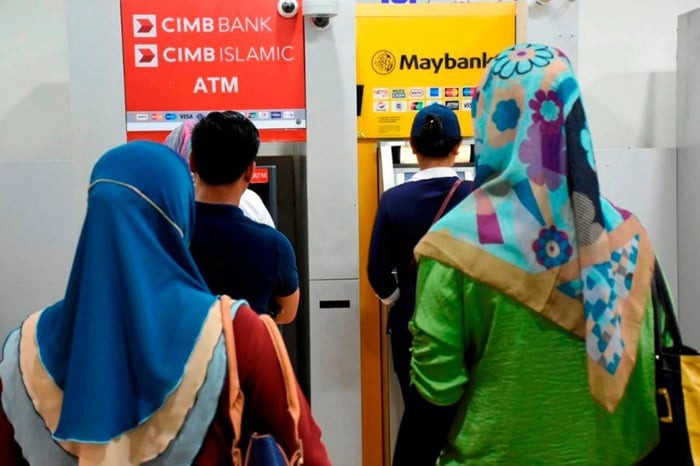
(Image: New Straits Times)
Bank Negara Malaysia (BNM) has noted that cash still ranks significantly in importance among the Malaysian public, as evidenced by its annual growth of 14.3% in 2020. This is the highest increase in currency in circulation (CIC) to be recorded in the last decade.
Revealed in the central bank’s Annual Report 2020, this surge in CIC is despite the implementation of movement restrictions and the rapid acceleration of e-commerce and online spending seen last year. For comparison, the CIC was 7.3% in 2019, and averaged at 8.9% in the last 10 years. BNM also said that there was approximately RM130.4 billion worth of bank notes and coins in circulation at the end of 2020.
“The significant increase in demand, which can also be observed in other countries, was due to members of the public and small businesses engaging in precautionary behaviour, as they sought to hold more cash during the Covid-19 pandemic,” the central bank said.
BNM also added that with the public being more tight-fisted with their cash, the central bank received 23% fewer deposits from financial institutions during the year. This meant that there were less fit bank notes that could be issued into circulation.
To cater to this surging demand for cash among the public, BNM said it executed three action plans – the first of which is using its buffer, comprised of additional currency stock that the central bank maintains at above normal consumption level. The buffer stock is meant to ensure that there will be sufficient cash to meet surging demands by the public during unforeseen events. Having an adequate buffer had proved to be crucial to BNM during the Covid-19 pandemic throughout 2020.
Aside from that, BNM also worked closely with its strategic partners in the cash industry, particularly financial institutions and cash in transit (CIT) companies. This made sure that cash was continuously available at more than 12,000 automated teller machines (ATMs) nationwide.
Thirdly, BNM ensured the business continuity of the Automated Cash Centre, with minimal disruptions impacting its operations and processes. For context, the Centre carries the capacity and capability to process significant volumes of banknotes for issuance into circulation by implementing split operations and back-up teams.
Additionally, BNM highlighted that in an effort to maintain the currency’s quality, it processed 2.3 billion banknotes in 2020 and shredded 23.3% of these notes that do not meet the central bank’s quality standards. To compare, BNM processed 2.9 billion bank notes and shredded 20% of it in 2019.
BNM also noted that ongoing efforts have contributed to Malaysia’s consistently low rate with regard to counterfeit banknotes. At the end of 2020, Malaysia’s counterfeiting rate was recorded at less than one piece per million (ppm) banknotes, which is well below other benchmarked countries. In 2019, the nation’s counterfeiting rate was one ppm.
(Sources: Bank Negara Malaysia, Malay Mail)
Previously covered recruitment-related stories and had a short stint as a copywriter for the property industry. She subsequently developed an interest in investment and robo-advisors.








Comments (0)