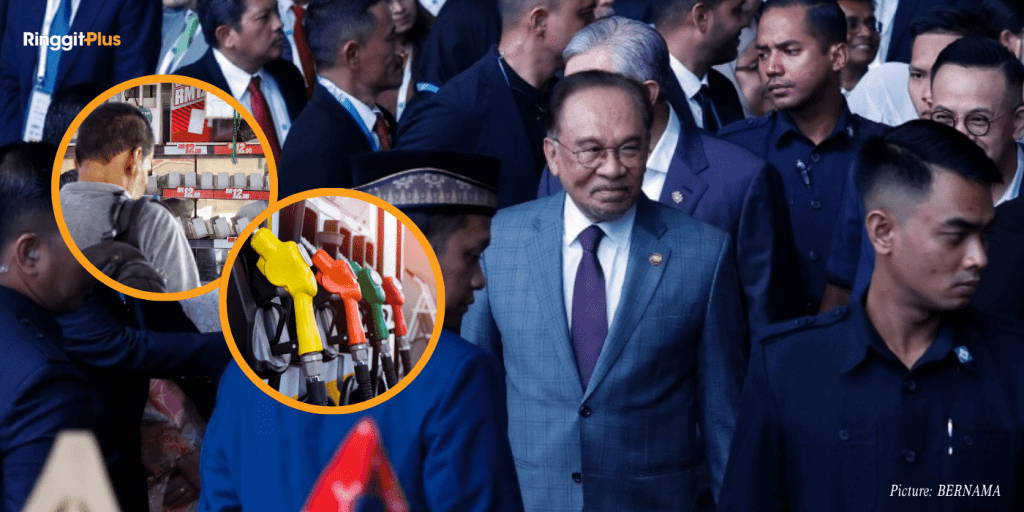
With the publication of Budget 2026 drawing closer, attention is turning to the government’s next money moves. This year’s budget is set to be shaped by ongoing economic reforms, with a focus on targeted subsidies, consolidation, and potential revenue-generating measures such as pro-health taxes.
Proposals For A Tax On Cigarettes
Civil society leaders have proposed an increase in the tax on cigarettes, arguing it is long overdue as prices have remained unchanged since September 2018. Retired Health Ministry director Datuk Dr Zainal Ariffin Omar has stated that a tax hike could discourage smoking, with the generated revenue being channelled into health prevention and promotion programmes. These initiatives could include targeted screenings for non-communicable diseases (NCDs) and cancers, and support for quit smoking programmes.
Consumers Association of Penang (CAP) senior education officer and activist, NV Subbarow notes that a higher tax is effective in reducing demand. An average smoker spends about RM500 a month on cigarettes, and a price increase could lead to significant savings for thousands of families and encourage folks to stop smoking. According to a collaborative study led by health organizations including Johns Hopkins and the American Cancer Society, increasing the average price of a pack of cigarettes by more than 80% to RM31.74 could help the government achieve its target of cutting smoking prevalence to 15%. Such a measure might also generate an additional RM2.6 billion in annual revenue.
Fuel Subsidy Rollout And Money Management
While health-related taxes could raise revenue, the government hopes to make gains from subsidy rationalisation. The rollout of the targeted RON95 petrol subsidy, known as Budi Madani or BUDI95, is expected to be a key element shaping the budget. Economists suggest this move paves the way for further subsidy rationalisation and more controlled fiscal management. While the BUDI95 rollout is estimated to save between RM2.5 billion and RM4 billion, total savings could potentially reach RM17 billion when combined with those from diesel, electricity, and other rationalisations.
Economist Dr Geoffrey Williams, an independent analyst, explained that the savings from subsidy rationalisation provides flexibility in expenditure planning, allowing the government to reallocate funds to areas like health, education, and social protection. Another economist, Mohd Sedek Jantan of IPPFA Sdn Bhd, described the BUDI95 policy as a structural shift towards a targeted, rules-based budgeting approach. He believes no new taxes are likely in Budget 2026, with the focus instead on strengthening compliance and collection through measures such as e-invoicing.
A Balanced Approach To Reform
The 2026 Budget is anticipated to balance near-term relief for the Rakyat with long-term transformation for the economy and country under the 13th Malaysia Plan. Economic analysts from the KSI Strategic Institute for Asia Pacific and the Economic Club of Kuala Lumpur project that the deficit will narrow to between 3.4% and 3.6% of gross domestic product, with development expenditure potentially reaching RM86 billion. They also expect growth to be between 3.8% and 4.6%.
The experts note that subsidy rationalisation must be accompanied by targeted relief and social safety nets to protect low-income households. While new, sweeping taxes are not expected, incremental adjustments like higher duties on tobacco, alcohol, and potentially a pilot carbon-pricing mechanism, are more likely. Overall, the government is expected to continue its measured pace of reform, prioritising both fiscal consolidation and social stability.
What are your thoughts on the proposals being discussed, and what do you hope to see in Budget 2026? Share your opinions in the comments below.
Follow us on our official WhatsApp channel for the latest money tips and updates.
Christina writes about personal finance with an eye for making the complicated feel straightforward. She is drawn to the everyday money decisions people face and genuinely enjoys finding the clearest way to explain them. Between articles, she is probably napping, on a hiking trail, or terrorising her sister’s cats.
Christina writes about personal finance with an eye for making the complicated feel straightforward. She is drawn to the everyday money decisions people face and genuinely enjoys finding the clearest way to explain them. Between articles, she is probably napping, on a hiking trail, or terrorising her sister's cats.
We provide weekly updates on every Friday at 5pm on the prices of RON95, RON97 and Diesel in Malaysia and a chart that shows the movement of fuel prices across a 6-week period. Bookmark this page now!







Comments (0)