Alex Cheong Pui Yin
Previously covered recruitment-related stories and had a short stint as a copywriter for the property industry. She subsequently developed an interest in investment and robo-advisors.

24th November 2023 - 3 min read

Several economists have commented that the new Flexible Account, which is set to be implemented by the Employees Provident Fund (EPF) next year, will likely be assigned a lower dividend rate as compared to Akaun 1 and 2. They are also of the opinion that less than 10% of the total sum of contribution should be allocated to the new account.
Chief economist at Bank Muamalat, Dr Mohd Afzanizam Abdul Rashid said that he believes the EPF Flexible Account will have a lower dividend because the funds in it will not be kept in place for a long period of time.
“My sense is that the EPF has recognised the plight of our society in dealing with the economic shocks and the rise in cost of living. The withdrawal should serve as a stop-gap measure for particular members, as the last resort when faced with financial calamities,” Dr Afzanizam commented, although he also acknowledged that further elaboration by the EPF is required.
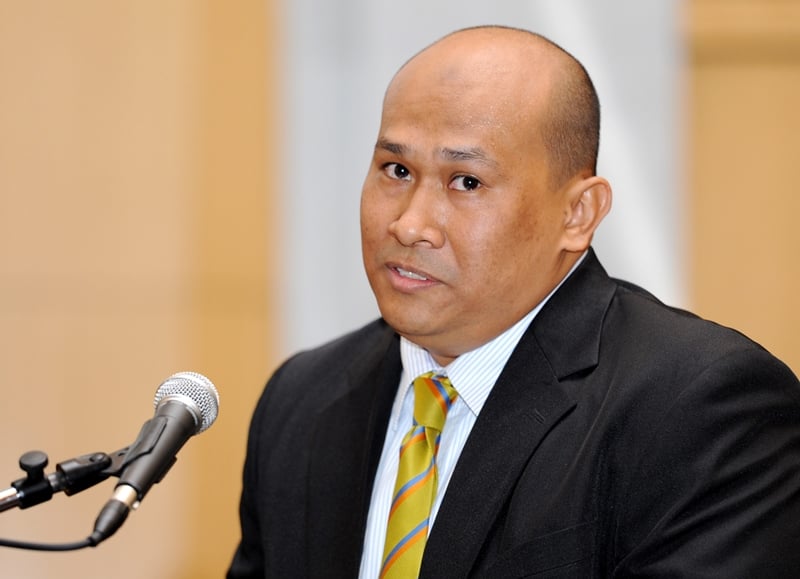
Meanwhile, economist from the Malaysia University of Science and Technology (MUST), Dr Geoffrey Williams said that the EPF Flexible Account should at least offer a good rate of return to make it attractive for members, even if it may not necessarily be equal or higher than the dividend rate of Akaun 1 and 2. Otherwise, a Flexible Account without dividend will be no different from a regular current account.
“The Akaun 3 (EPF Flexible Account) is a good idea to help people manage withdrawals without depleting their main retirement savings. However, no more than 10% of total savings should go to it,” Dr Geoffrey further said, adding that the implementation of the EPF Flexible Account will likely lead to some changes in the features of Akaun 1 and 2 to prevent excessive withdrawals from them as well.
Overall, though, Dr Geoffrey believes that the EPF Flexible Account will help in improving members’ financial planning.
Economic analyst from the Putra Business School, Associate Professor Dr Ahmed Razman Abdul Latiff, on the other hand, opined that the EPF Flexible Account is likely intended for depositors who have contributed more than RM10,000 to their accounts, instead of those with minimum contribution. He also believes that the amount of contribution to this new account should be tiered based on each member’s total contribution amount – instead of being set at a static percentage (as is the case with Akaun 1 and 2).

“EPF Akaun 3 (EPF Flexible Account) will act as the emergency account, which will be the last resort to the member who face unanticipated cash problem,” Dr Ahmed Razman further stated.
Prime Minister Datuk Seri Anwar Ibrahim – who is also Finance Minister – had announced the introduction of the EPF Flexible Account during the tabling of Budget 2024. Earlier this week, Deputy Finance Minister I, Datuk Seri Ahmad Maslan also revealed that the account is expected to be implemented in April 2024, with details being finalised at the moment.
(Source: New Straits Times)
Previously covered recruitment-related stories and had a short stint as a copywriter for the property industry. She subsequently developed an interest in investment and robo-advisors.








Comments (0)