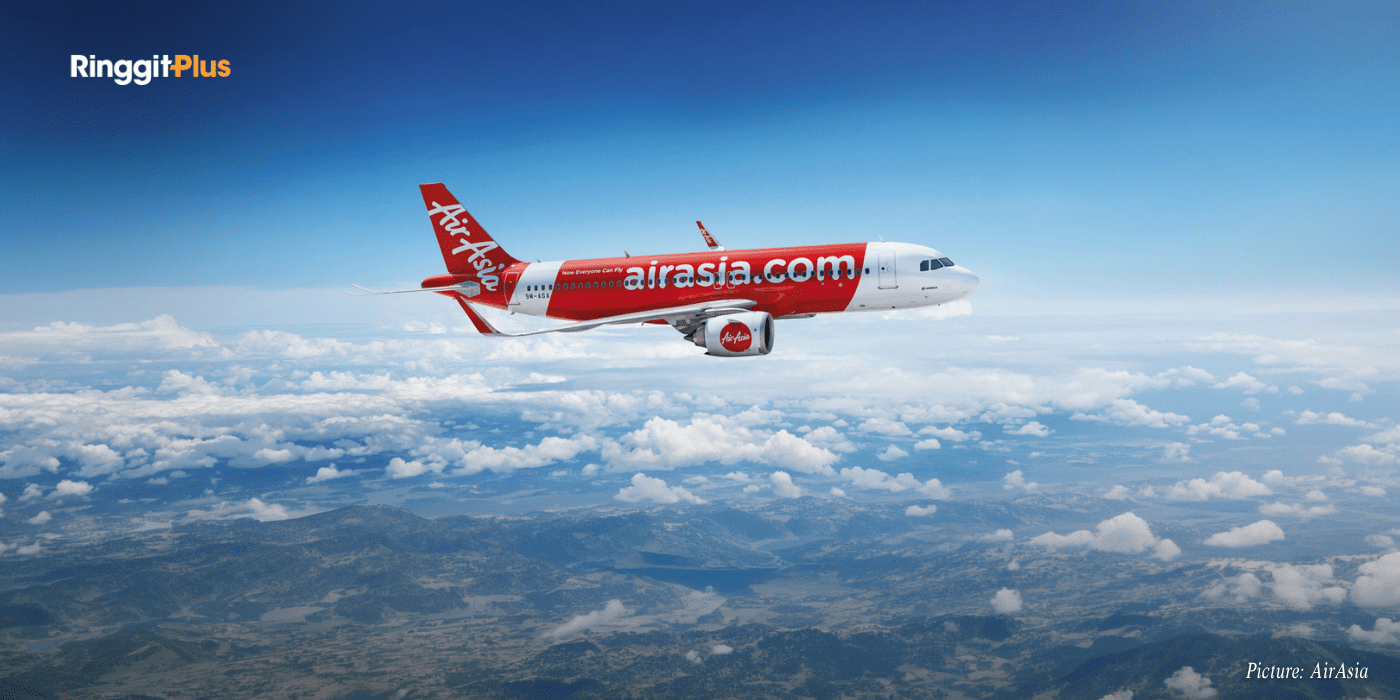
AirAsia X Bhd has increased its ticket prices by between 30% and 40% across its network, with the fuel surcharge alone rising by about 20%. The hike follows a sharp surge in jet fuel costs triggered by the ongoing conflict in the Middle East, and was confirmed by group chief executive officer Bo Lingam at a media briefing held on 6 April 2026 at AirAsia’s RedQ headquarters in Sepang.
For passengers with upcoming bookings or travel plans in the pipeline, fares are now higher than they were before the conflict began.
Jet Fuel Has More Than Doubled Since The Iran War
Jet kerosene prices surged 140% to above US$200 (approximately RM806.70) per barrel last month, following the flare-up of the Iran war. The conflict triggered attacks on oil and gas facilities and, more significantly, blockaded the Strait of Hormuz, a major shipping bottleneck for global energy supply.
AirAsia X has no fuel hedge in place, meaning it has no fixed-price contract to cushion against sudden cost spikes. Lingam attributed this to bad luck, noting that hedges were being arranged when prices surged before they could be secured. With nothing to buffer the increase, the airline is paying whatever the market demands.
“I will be paying whatever the market price is,” Lingam said, adding that fares will be reviewed periodically.
Capacity Has Been Cut, But No Staff Have Lost Their Jobs
AirAsia has reduced about 10% of its flight capacity, partly because the Raya festive season has wound down and partly to drop routes that are no longer profitable at current fuel costs. The airline is also trimming costs through fleet optimisation and other expense reductions.
Lingam confirmed that no staff have been laid off and no unpaid leave has been granted so far. Despite higher fares, demand for flights has held up, which he said suggests passengers are still willing to pay the increased prices.
Fleet Expansion Plans Remain On Track
The fare hikes and capacity cuts come shortly after Capital A Bhd, which owns 19% of AirAsia X, completed its regularisation plan to exit Practice Note 17 (PN17) status, though it has yet to formally exit. As part of that plan, Capital A transferred its short-haul aviation arm to AirAsia X, consolidating the entire AirAsia aviation business under one roof.
Lingam said the fuel crisis has not changed the group’s fleet expansion plans. The four aircraft deliveries expected this year remain on schedule.
What This Means For Your Travel Plans
A 30% to 40% jump on base fares is something you will feel at checkout. A return ticket that cost RM600 before the conflict could now be closer to RM780 to RM840, before baggage, seat selection, or the fuel surcharge, which has risen by up to 20% on its own.
If you booked early expecting lower prices to hold, that buffer is largely gone. Travellers comparing AirAsia against full-service carriers on the same routes may also find the price gap has narrowed more than usual, making the choice between budget and full-service a closer call.
The effect is felt most by those who fly regularly for work, family visits, or holidays that were budgeted before the conflict began. Any trip you had priced out a few months ago will likely cost more today.
Lingam said fares will be reviewed periodically, so they could ease if fuel costs drop. A resolution to the Middle East conflict, or a reopening of the Strait of Hormuz, could shift things in your favour. If the situation drags on, current fare levels may hold or climb further. There is no set timeline either way, and for now, the higher prices are simply the reality of booking a flight.
Follow us on our official WhatsApp channel for the latest money tips and updates.
Christina writes about personal finance with an eye for making the complicated feel straightforward. She is drawn to the everyday money decisions people face and genuinely enjoys finding the clearest way to explain them. Between articles, she is probably napping, on a hiking trail, or terrorising her sister’s cats.
00votes
Article Rating
SHARE
About THE AUTHOR
Christina Chandra
Christina Chandra
Christina writes about personal finance with an eye for making the complicated feel straightforward. She is drawn to the everyday money decisions people face and genuinely enjoys finding the clearest way to explain them. Between articles, she is probably napping, on a hiking trail, or terrorising her sister's cats.
We provide weekly updates on every Friday at 5pm on the prices of RON95, RON97 and Diesel in Malaysia and a chart that shows the movement of fuel prices across a 6-week period. Bookmark this page now!








Comments (0)