Kenanga Investment Bank (Kenanga IB) expects Bank Negara Malaysia (BNM) to keep the Overnight Policy Rate (OPR) at 2.75% through the rest of 2026.
The OPR is the base interest rate set by BNM. When it goes up, loans get more expensive and savings accounts pay more. When it goes down, the opposite happens. Kenanga IB sees no reason for BNM to move it in either direction this year.
Domestic spending has held up, inflation is at 2.0%, and the ringgit has been relatively stable, the firm said in a research note. Reduced trade tensions globally also give BNM less reason to act.
May Inflation Rose But Stayed Below Expectations
Prices across the economy rose 2.0% in May compared to a year ago, the highest annual reading in two years. That said, the figure came in slightly below what Kenanga IB and most analysts had expected, which was 2.1%.
The month-to-month increase was smaller too. Prices rose just 0.15% from April to May, compared to a 0.37% jump from March to April. When you remove items with prices that swing sharply from month to month, like fuel and fresh food, inflation held steady at 2.0%.
Where Prices Went Up And Down
Food and beverage prices climbed to a four-month high of 1.4% year-on-year in May, up from 1.2% in April. Fresh meat and vegetables were the main drivers. Housing and utilities costs also edged higher, rising to 1.2% as rental, maintenance, and electricity charges increased.
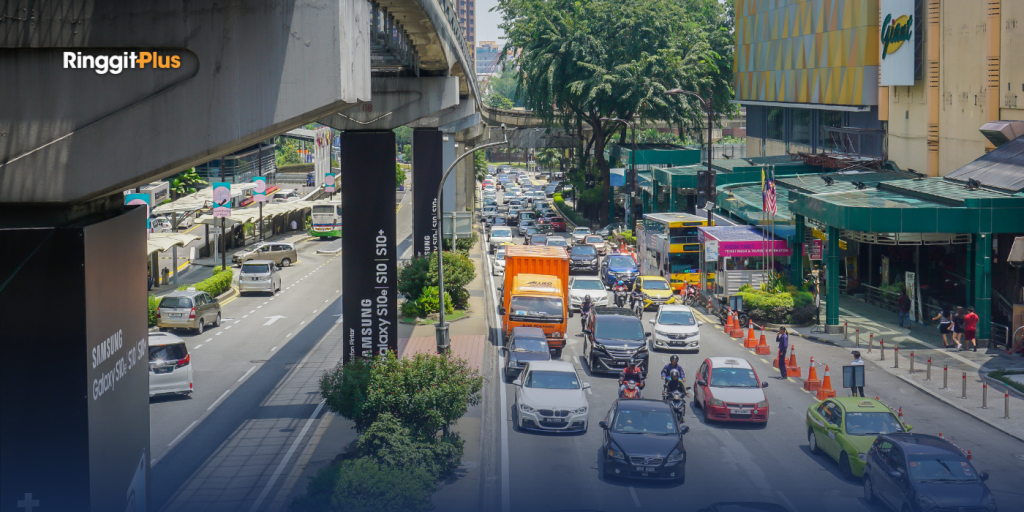
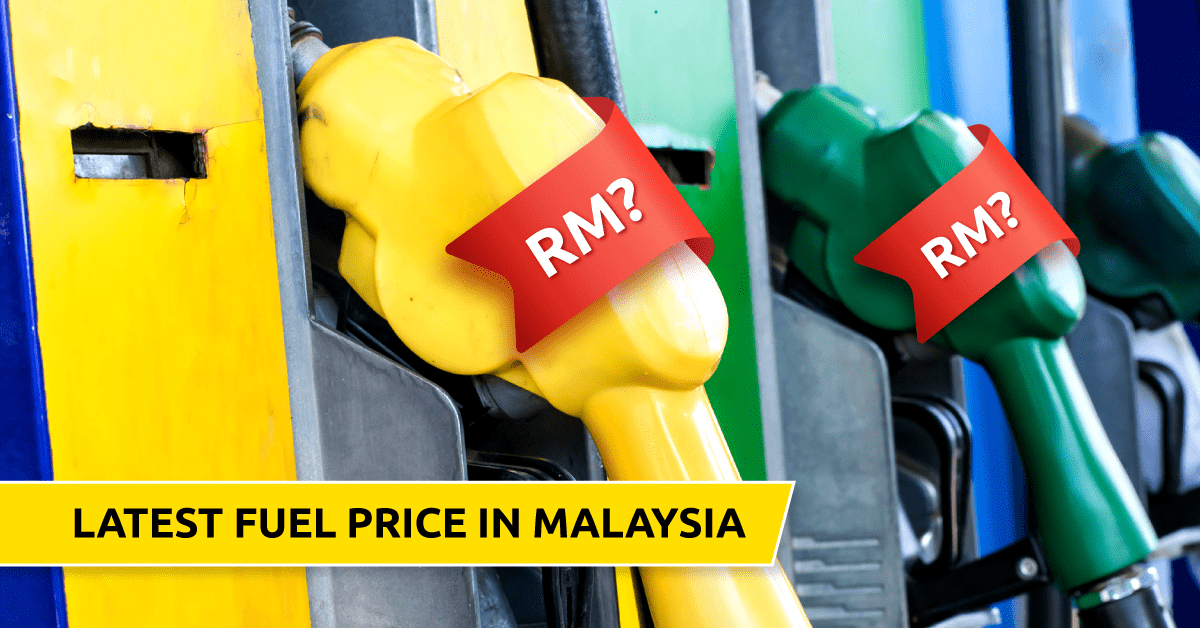
Transport costs pulled back. Transport inflation eased to 3.8% from 4.1% in April, helped by lower diesel, petrol, and lubricant prices.
Loan And Savings Rates Likely Unchanged Through 2026
If Kenanga IB’s forecast holds, the interest rates you see on loans and savings products are unlikely to change for the rest of the year.
For anyone with a home loan where the interest rate moves with the OPR, your monthly repayments should stay the same. Fixed deposit (FD) rates are also unlikely to shift, so if you or your family have been thinking about putting money into an FD, the rates available now are likely to stay around the same level.
For car loan or personal loan borrowers on rates that move with the OPR, repayments are not going up. Some borrowers had hoped BNM might cut the OPR to make loans cheaper, but that also looks unlikely.
Kenanga states that inflation is present but not speeding up fast enough to force BNM to raise rates. Food and housing costs continue to creep up, but lower fuel prices are pulling in the other direction, and the monthly pace of price increases actually slowed between April and May. As long as that balance holds, borrowing and savings conditions are unlikely to change before the year is out.
The next OPR meeting is in early July, we’ll check back and see whether Kenanga’s forecast was correct.
For more money tips and updates, follow us on our official WhatsApp channel.
As a creative content writer, Eloise has covered finance, business, lifestyle topics, and even moonlights as a singer-songwriter outside of RinggitPlus. Her current interests are learning the best ways to optimise spending and credit card hacks to gain more airline miles.
00votes
Article Rating
SHARE
About THE AUTHOR
Eloise Lau
Eloise Lau
As a creative content writer, Eloise has covered finance, business, lifestyle topics, and even moonlights as a singer-songwriter outside of RinggitPlus. Her current interests are learning the best ways to optimise spending and credit card hacks to gain more airline miles.
We provide weekly updates on every Friday at 5pm on the prices of RON95, RON97 and Diesel in Malaysia and a chart that shows the movement of fuel prices across a 6-week period. Bookmark this page now!





Comments (0)