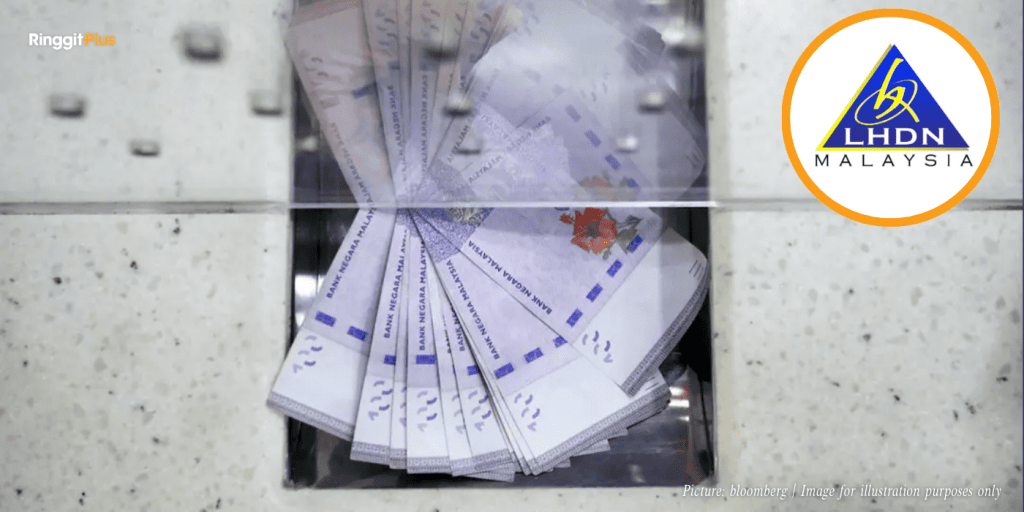
The government has increased the allocation for tax refunds from RM2 billion to RM4 billion to expedite outstanding payments to taxpayers. Prime Minister Datuk Seri Anwar Ibrahim said the Inland Revenue Board of Malaysia, or LHDN, will begin phased processing of eligible refunds starting Monday, 8 December 2025.
Anwar emphasised that the government should not owe money to the public. The Ministry of Finance is currently assessing whether the RM4 billion allocation is sufficient and may increase the amount if required. The review involves Finance Minister II Datuk Seri Amir Hamzah Azizan, Treasury secretary general Datuk Johan Mahmood Merican, and the LHDN chief executive officer.
He acknowledged that delays in tax refunds have caused frustration for individuals and businesses that meet their tax obligations on time. The expanded allocation is intended to address these delays, with particular emphasis on supporting small businesses that depend on timely reimbursements.
Government Debts And Institutional Reform Efforts
Anwar also noted that Malaysia’s national debt remains a legacy issue that cannot be resolved quickly. He reaffirmed that institutional reforms continue to be a priority for the administration, particularly reforms aimed at improving public financial management.
The Fiscal Responsibility Act 2023 remains central to these efforts. It is designed to strengthen governance frameworks, enhance transparency, and reinforce investor confidence. Anwar added that reforms in Parliament are also progressing, with expanded roles for Opposition MPs, including opportunities to chair committees.
Several related initiatives are planned for next year. The establishment of an Ombudsman is currently being drafted by the relevant ministries to enhance accountability across the public sector. The Government Service Efficiency Commitment Act 2025 is likewise expected to promote higher service standards by encouraging stronger performance among civil servants.
Higher E Invoicing Exemption Threshold For 2026
Meanwhile, the government will raise the e invoicing exemption threshold from RM500,000 to RM1 million beginning in 2026. The change follows feedback from small and medium enterprises, which expressed concerns over the cost and readiness required to implement e invoicing systems.
Anwar said the Cabinet reached a preliminary decision after reviewing the feedback. He explained that many smaller firms were still adapting to digital processes and that a higher threshold would ease immediate compliance obligations. The adjustment aims to ensure that the nationwide rollout of e invoicing is more orderly and manageable for businesses.
With the new threshold, companies with annual turnover below RM1 million will not be required to implement e invoicing in 2026. The Government expects this measure to give smaller enterprises more time to build digital capacity while maintaining progress toward modernising tax administration.
Commitment To Supporting Businesses And Taxpayers
By expanding the refund budget and adjusting the e invoicing threshold, the government aims to improve how quickly services are delivered while keeping compliance manageable for smaller firms. The intention is to support taxpayers who are waiting for refunds and to give SMEs a smoother path as they adopt new digital processes.
Follow us on our official WhatsApp channel for the latest money tips and updates.
Samuel writes about personal finance and financial news, focusing on how banking updates, policies, and promotions affect everyday money decisions. He enjoys making complicated financial topics easier to follow. Outside of writing, he spends his time watching TV shows and occasionally convincing himself he will only watch one episode.
51vote
Article Rating
SHARE
About THE AUTHOR
Samuel Chua
Samuel Chua
Samuel writes about personal finance and financial news, focusing on how banking updates, policies, and promotions affect everyday money decisions. He enjoys making complicated financial topics easier to follow. Outside of writing, he spends his time watching TV shows and occasionally convincing himself he will only watch one episode.
We provide weekly updates on every Friday at 5pm on the prices of RON95, RON97 and Diesel in Malaysia and a chart that shows the movement of fuel prices across a 6-week period. Bookmark this page now!







Comments (0)