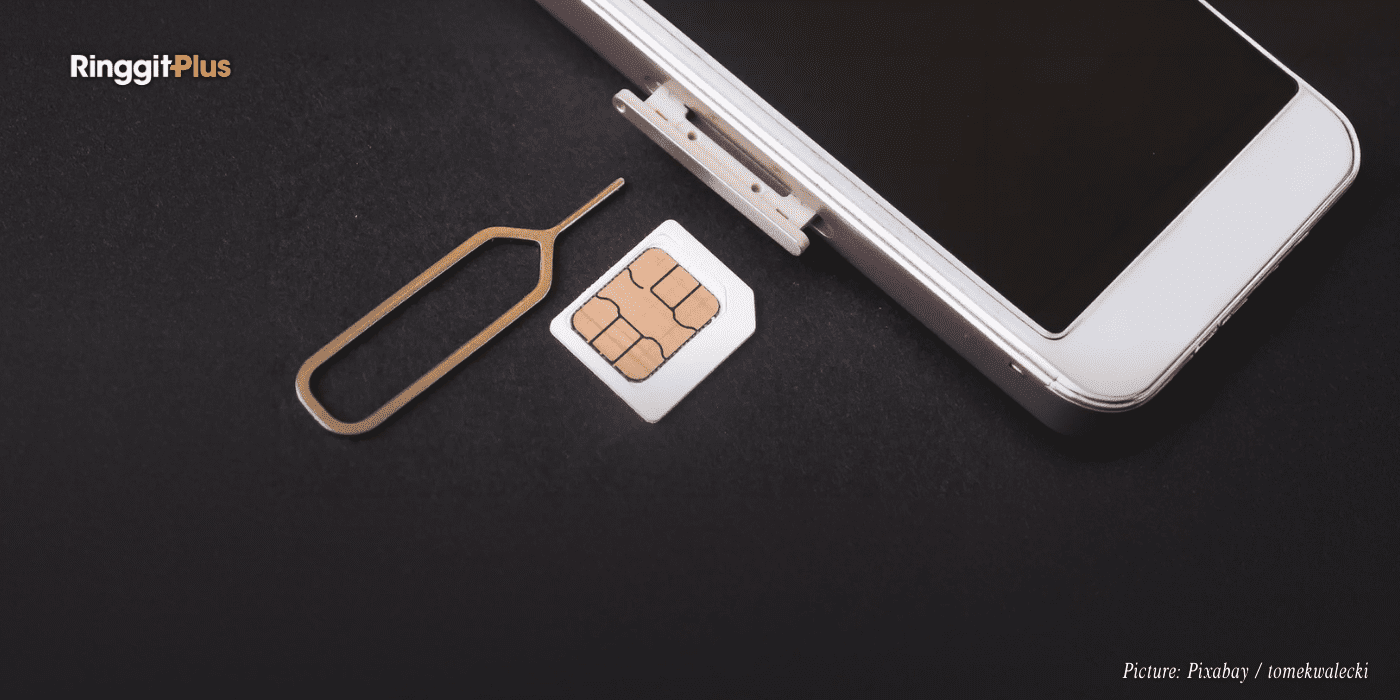
If you rely on prepaid mobile plans to control monthly spending, receive OTPs for banking, or manage side income platforms, your SIM card is now tied to stricter identity checks. New mandatory standards from the Malaysian Communications and Multimedia Commission tighten how prepaid SIMs are registered, in an effort to reduce fraud-linked numbers and identity misuse.
For everyday users, this is less about changing mobile prices and more about who can legally own and activate a number, and how quickly suspicious lines can be traced or terminated.
The Core Problem: Anonymous Numbers Fuel Fraud Losses
Online fraud in Malaysia frequently depends on disposable or fraudulently registered prepaid SIM cards. Weak identity verification at the point of sale has allowed perpetrators to activate multiple numbers using stolen or fabricated details, then discard them before enforcement can trace ownership.
The new mandatory standard, registered under Sections 55 and 104(1)(b) of the Communications and Multimedia Act 1998, attempts to close that gap. The friction it addresses is procedural, namely how SIM cards are verified, capped and monitored at registration.
This is a structural compliance change for telcos and distributors. For consumers, it alters the conditions under which a prepaid number can be activated and retained, rather than altering tariffs or plan structures.
Biometric Verification And Digital ID Integration
Under the new framework, registration must move towards secure automated platforms. This includes biometric verification and the use of MyDigital ID for self-registration.
The mechanism is straightforward. Stronger identity binding reduces the ability to mass register SIMs under false names. For non-citizens, registration will require biometric based passport verification, tightening controls on foreign issued documents.
In practical terms, this may slightly lengthen the registration process, particularly for walk in activations. However, it does not change prepaid plan pricing, data quotas or validity periods for ordinary domestic plans.
The financial effect is indirect. By making fraudulent registrations harder, regulators aim to reduce fraud incidence. That does not eliminate fraud risk, but it raises the operational cost for fraud syndicates.
SIM Ownership Limits Restrict Number Hoarding
A key consumer facing change is the introduction of SIM ownership caps per service provider.
Malaysian citizens and permanent residents are limited to five SIM cards per individual per telco. Non-citizens are limited to two per telco.
This addresses a common abuse pattern where large volumes of SIMs are registered under a single identity, sometimes without the person’s knowledge.
For most households, the cap is unlikely to bind. However, small resellers, gig workers managing multiple devices, or families that distribute SIMs across tablets, routers and spare phones under one name may need to rationalise ownership.
The cap applies per provider, not across the entire market. Consumers can still hold SIMs with multiple telcos, subject to each provider’s limit.
Stricter Rules For Minors And Tourist SIMs
Children below 12 years old can no longer have SIM cards registered under their own name. For those aged between 12 and 17, registration must be done by a parent or guardian, with consent recorded.
This formalises accountability and reduces the risk of underage identities being misused for bulk registrations. For families, the practical effect is administrative rather than financial.
Tourist SIM cards will now be valid for a maximum of three months before automatic termination.
This change reduces the window in which short term numbers can circulate in the system. For genuine tourists, it aligns with typical visit durations. For those attempting to use tourist SIMs as low friction alternatives to standard registration, the time limit tightens that route.
Mandatory Status Notification Within 12 Hours
Service providers must notify users of their registration status within 12 hours.
This reduces uncertainty around whether a number has been successfully registered and could help individuals detect unauthorised registrations under their identity sooner.
The benefit here is procedural transparency. It does not alter billing cycles or reload mechanisms, but it gives users clearer confirmation that a number is legally tied to them.
Enforcement And Compliance Burden Falls On Telcos
The mandatory standard requires full implementation by service providers and appointed distributors. Non compliance may trigger regulatory action.
This is primarily a compliance cost issue for telecom operators, who must invest in secure automated systems and biometric integration. In the short term, this may increase operational expenditure, but there is no indication of immediate pass through to prepaid pricing.
Consumers should not expect lower mobile costs from this move. The policy is designed to reduce fraud risk, not to reduce telecommunications tariffs.
What Remains Unchanged
Prepaid pricing structures, reload denominations, validity extensions and data allocations are not altered by the standard.
There is no announced change to mobile number portability rules, contract plans, or broadband bundling.
Fraud prevention still depends on user behaviour. Stronger SIM registration reduces one channel of abuse but does not eliminate phishing, mule account recruitment, or social engineering.
Direct And Indirect Financial Effects
The direct financial impact on individuals is limited unless they exceed SIM ownership caps or rely on informal registration channels.
The indirect effect depends on whether fraud volumes decline. If fraudulent numbers become harder to obtain and deactivate, enforcement tracing improves. That could, over time, reduce losses from impersonation fraud that often relies on quickly rotated mobile numbers.
However, the standard alone does not compensate victims or guarantee a drop in fraud incidence. Its effectiveness will depend on enforcement consistency and system integration across telcos.
What To Expect Over The Next One To Three Years
For most Malaysians, prepaid registration will become more tightly verified but not more expensive. Activation may require stronger identity confirmation, particularly for foreigners.
Over the next one to three years, the practical outcome to watch is whether fraud linked numbers are suspended more quickly and whether identity misuse complaints decline.
This is a structural tightening of the registration system rather than a pricing reform. It strengthens traceability and accountability. For everyday users, the biggest change is not what you pay for mobile service, but how securely your name is attached to the number you use.
Follow us on our official WhatsApp channel for the latest money tips and updates.
Samuel writes about personal finance and financial news, focusing on how banking updates, policies, and promotions affect everyday money decisions. He enjoys making complicated financial topics easier to follow. Outside of writing, he spends his time watching TV shows and occasionally convincing himself he will only watch one episode.
00votes
Article Rating
SHARE
About THE AUTHOR
Samuel Chua
Samuel Chua
Samuel writes about personal finance and financial news, focusing on how banking updates, policies, and promotions affect everyday money decisions. He enjoys making complicated financial topics easier to follow. Outside of writing, he spends his time watching TV shows and occasionally convincing himself he will only watch one episode.
We provide weekly updates on every Friday at 5pm on the prices of RON95, RON97 and Diesel in Malaysia and a chart that shows the movement of fuel prices across a 6-week period. Bookmark this page now!







Comments (0)