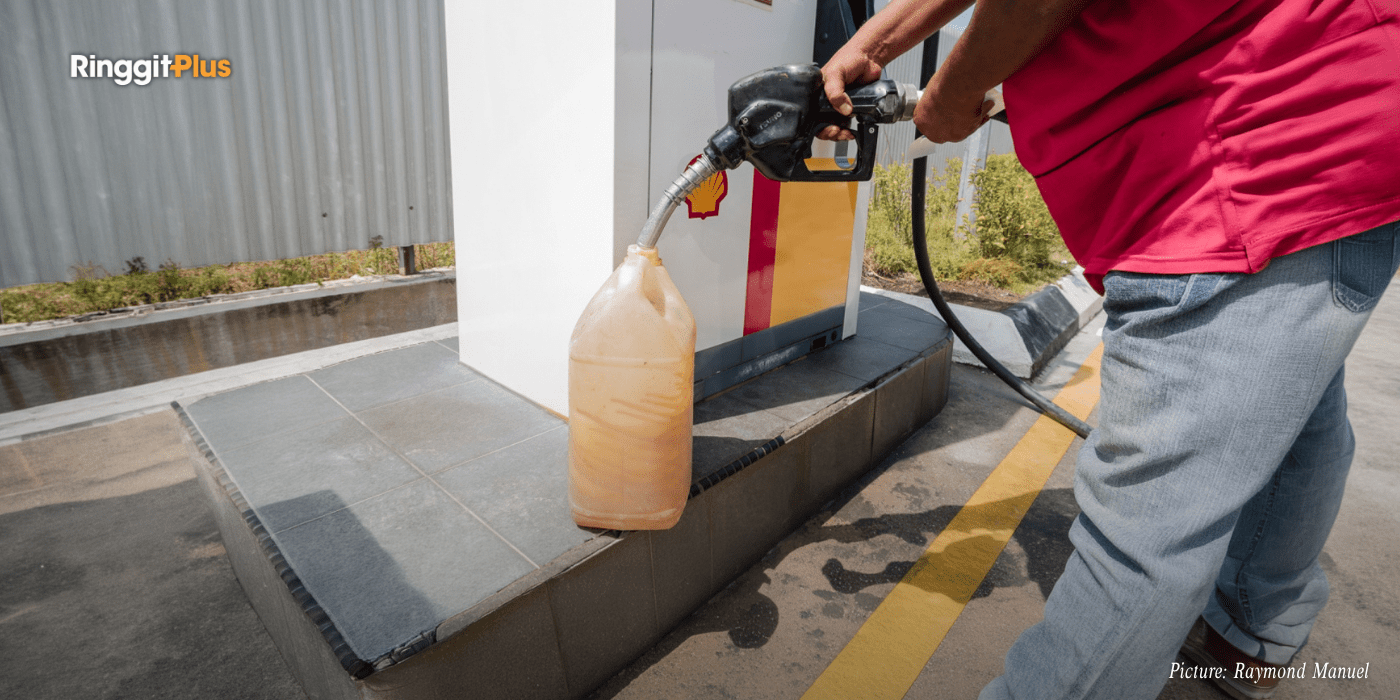
Buying petrol or diesel into a container at a petrol station now comes with stricter rules, as most situations require a special permit before fuel can be filled outside a vehicle tank. This follows a clarification by the Ministry of Domestic Trade and Cost of Living after a viral video showed plastic containers being filled with RON95 at a station in Bayan Lepas, where the individual involved was later confirmed to have a valid permit.
The clarification brings attention back to how these rules apply in everyday situations, especially where fuel is needed for generators, machinery, or work in areas without easy access to petrol stations. In these cases, fuel is often stored or transported for later use, which is where the permit requirement comes in. Without prior approval, petrol stations are not allowed to sell fuel into containers beyond limited emergency cases.
Permit Required For Fuel Bought Outside Vehicle Tanks
Fuel sales at petrol stations are generally meant for vehicle tanks that are built into the vehicle or approved by relevant authorities, which keeps everyday refuelling straightforward. Once fuel is intended for storage or use in equipment, the transaction falls under a different set of rules.
Under the Control of Supplies Act 1961, a “Permit Khas” is required for these types of purchases, and this requirement is already in force nationwide. In practice, this means requests to fill petrol or diesel into containers can only be approved if there is a valid permit in place.
Larger Purchases Above 20 Litres Need Approval
The permit becomes especially relevant when larger quantities are involved, as purchases of 20 litres or more are only allowed with prior approval. This tends to affect situations where fuel is used regularly rather than occasionally, such as ongoing work operations or business use.
Applications can be made online through the Supply Control System, and there is no fee for eligible applicants. Once approved, fuel can be purchased into suitable containers such as jerry cans, drums, or storage tanks, based on the quantity and frequency stated in the permit.
Approved Uses Include Everyday Work And Business Needs
The permit framework is designed around practical use rather than rare exceptions. It applies in situations such as operating forklifts, running water transport services, or living in rural or island areas where fuel may need to be stored or transported for daily use.
It also extends to sectors like agriculture, food production, tourism, maintenance work, and small-scale businesses, where fuel is often needed outside of vehicles. Emergency-related uses and specific operational needs can also be considered, depending on the details provided during the application.
Small Emergency Purchases Still Allowed
There is still limited flexibility for urgent situations, where fuel is needed immediately and in small amounts. Purchases below 20 litres may be allowed without a permit in cases such as a vehicle breakdown or a temporary power outage.
This allowance is meant for occasional use and does not replace the need for a permit when fuel is required regularly or in larger quantities. Over time, relying on small purchases may not be practical for situations where fuel use is predictable.
Rules Reflect Control Over Subsidised Fuel
Petrol and diesel in Malaysia are partially subsidised, which helps keep prices more affordable while also requiring safeguards to prevent misuse. Controls on container purchases are part of a broader system aimed at reducing hoarding, diversion, and unauthorised resale.
Requiring permits for non-standard usage creates a traceable way to ensure fuel is distributed according to approved needs, especially in cases where fuel is not used directly in vehicles.
Fuel Planning Now Affects Daily Routines And Costs
In day-to-day use, this changes how fuel is planned and managed when it is needed outside a vehicle. Running a generator during a power cut, operating machinery, or working in remote areas now involves thinking ahead about fuel access rather than relying on last-minute purchases.
For example, a small food business using a generator would need to ensure fuel is available in advance through an approved permit, while farmers or contractors working away from petrol stations would need to align their fuel use with approved quantities and schedules. This can shape how work is planned, how often fuel is purchased, and how it is stored.
There is also a balance between convenience and efficiency. Buying fuel in larger, approved quantities can reduce the need for frequent trips and make operations more predictable, while relying on smaller emergency purchases may be less consistent over time.
Application And Complaint Channels Available
Permit applications are handled online through the official Supply Control System portal, making the process accessible for both individuals and businesses that require ongoing fuel access.
If issues arise, such as a purchase being refused despite meeting the requirements, complaints can be submitted through official channels including WhatsApp, an online portal, a call centre, or a mobile app.
More Structured Access For Non-Vehicle Fuel Use
For everyday drivers, refuelling at the pump remains unchanged, as the rules do not affect standard fuel purchases into vehicle tanks. The difference lies in how fuel is accessed when it is meant for storage, transport, or equipment use.
The clarification following the viral incident highlights that the rules themselves are not new, but their enforcement depends on whether the proper approval is in place. In practice, access to fuel in containers now depends on planning ahead and having the required permit, especially where fuel use is part of regular daily activity.
Follow us on our official WhatsApp channel for the latest money tips and updates.
Samuel writes about personal finance and financial news, focusing on how banking updates, policies, and promotions affect everyday money decisions. He enjoys making complicated financial topics easier to follow. Outside of writing, he spends his time watching TV shows and occasionally convincing himself he will only watch one episode.
00votes
Article Rating
SHARE
About THE AUTHOR
Samuel Chua
Samuel Chua
Samuel writes about personal finance and financial news, focusing on how banking updates, policies, and promotions affect everyday money decisions. He enjoys making complicated financial topics easier to follow. Outside of writing, he spends his time watching TV shows and occasionally convincing himself he will only watch one episode.
We provide weekly updates on every Friday at 5pm on the prices of RON95, RON97 and Diesel in Malaysia and a chart that shows the movement of fuel prices across a 6-week period. Bookmark this page now!







Comments (0)