Alex Cheong Pui Yin
Previously covered recruitment-related stories and had a short stint as a copywriter for the property industry. She subsequently developed an interest in investment and robo-advisors.

12th January 2024 - 2 min read
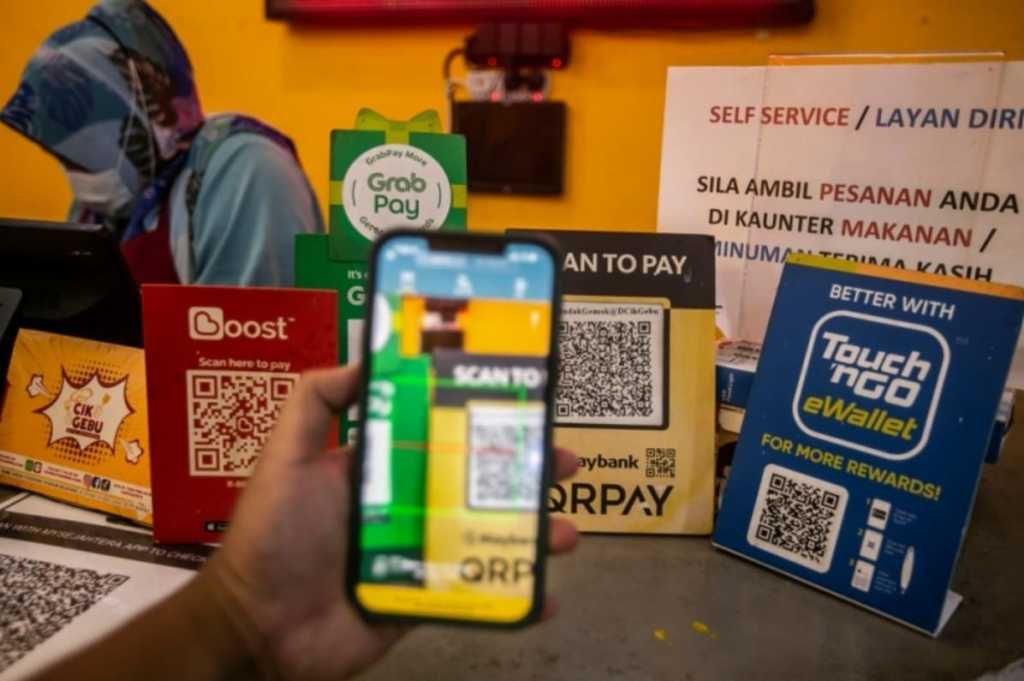
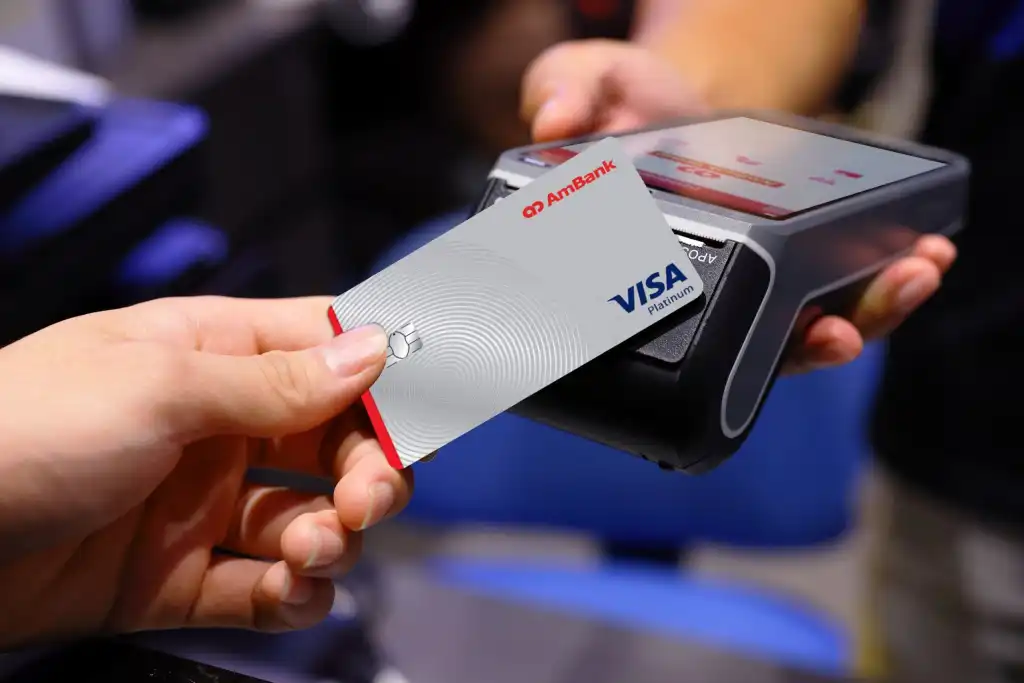
A survey by Ipsos Malaysia said that cashless payment options have dipped in popularity among Malaysians after the height of the Covid-19 pandemic, with only 51% of them using these payment methods in the last three months of 2023. These include e-wallets, online bank transfers, as well as debit and credit cards.
According to the survey, the most used cashless payment methods among respondents are now online banking and debit cards (35%, respectively). This is followed by e-wallets (26%) and credit cards (9%).
“After the acceleration of Covid-19, there has been a slight decrease in the usage of non-cash payment methods in 2023. However, it is worth noting that half of Malaysians still use non-cash payments, with e-wallets being used by one-fourth of the population,” said the chief client officer of Ipsos Malaysia, Pakee Charoenchanaporn and research manager Atticus Poon. Curiously, this comment runs counter to Visa’s prediction that Malaysia is expected to be a cashless society by 2030.
The Ipsos study also revealed that individuals in the age group of 25 to 35 years old are the biggest users of online bank transfers (45%) and e-wallets (34%), surpassing those in the age group of 18 to 25 years old. That said, even these percentages have dropped when compared to the previous year. Interestingly, however, senior respondents aged between 45 to 74 years old saw an increase of 1% and 3% in their use of online banking and e-wallets, respectively.
On the topic of e-wallets, Ipsos also noted that the number of e-wallet brands used has remained stable at around 1.8, indicating that people typically stick to a maximum of two e-wallets. Specifically, the Touch ‘n Go (TNG) eWallet is voted as the most frequently used e-wallet among Malaysians at 88%, followed by the MAE by Maybank2u (MAE) app.
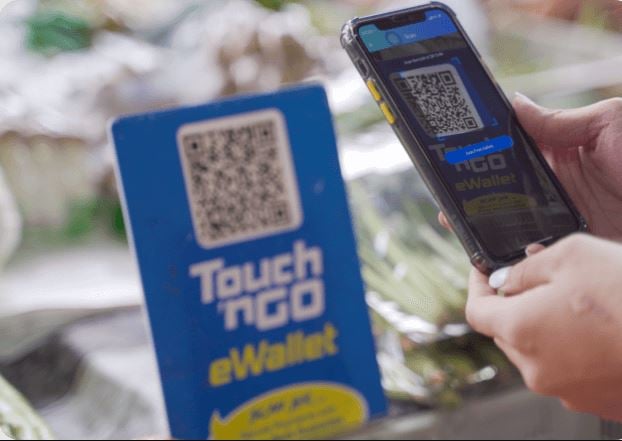
It was further discovered that e-wallets are now primarily used for toll, parking, and other transportation-related payments at 55%. F&B purchases and food deliveries, meanwhile, are the next categories of expenses most frequently paid using e-wallets, standing at 51% and 43%, respectively.
“The use of e-wallets for retail purchases has decreased as people have returned to physical stores and may prefer using cash or other forms of payment,” Charoenchanaporn and Poon both commented.
For context, the Ipsos survey was conducted with 1,015 Malaysian respondents between the age of 18 to 74 years old, taking place from October to December 2023. Meanwhile, Ipsos itself is a global market research company with a presence in 90 markets.
(Source: Malay Mail)
Previously covered recruitment-related stories and had a short stint as a copywriter for the property industry. She subsequently developed an interest in investment and robo-advisors.




Comments (0)