Choosing a career, negotiating pay, or deciding who should carry the financial load at home are decisions many young Malaysians are actively navigating today. A new survey suggests that the majority of people believe young women will come out ahead of the previous generation, but traditional expectations about who should earn the income are still shaping those choices.
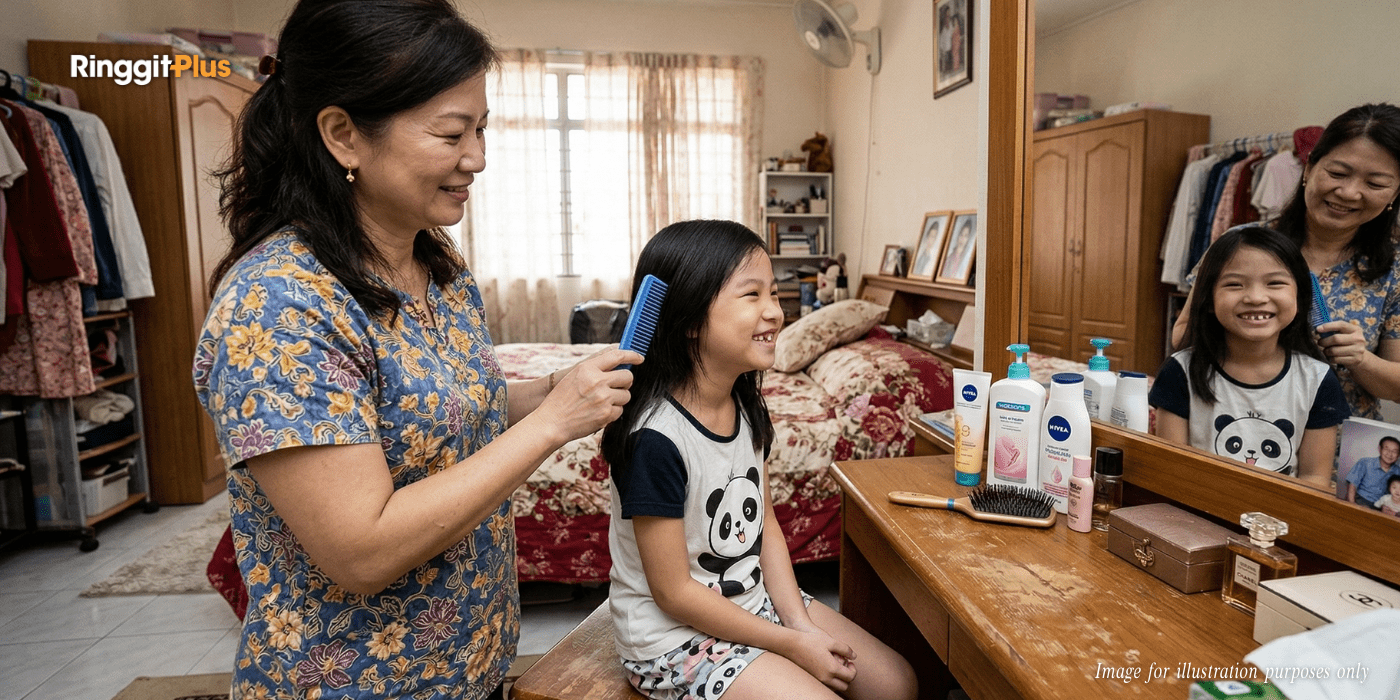
A survey by market research firm Ipsos finds that six in ten Malaysians believe young women today will have a better life than their mothers’ generation. The result reflects growing optimism about women’s economic opportunities, even as long-standing views about household roles remain in place.
Public Expectations For Women’s Economic Prospects Are Improving
The Ipsos survey, conducted among 500 Malaysian adults aged 18 to 74, found that 60% believe young women will enjoy better prospects than their mothers. This is higher than the global average of 55%.
The expectation largely reflects visible shifts over the past two decades. Women now make up a larger share of university graduates, professional workers, and entrepreneurs compared with previous generations. That has gradually expanded access to higher-paying careers and financial independence.
For a young adult entering the workforce today, this translates into wider career options and, potentially, higher lifetime earnings than what was typical for women a generation ago. It also means more women contributing directly to household income, which affects decisions such as housing affordability, loan eligibility, and family budgeting.
However, a more optimistic outlook does not necessarily mean the financial structure of households has changed at the same pace.
Equal Household Responsibilities Gain Support
The survey shows strong public support for shared responsibilities at home.
Most respondents believe tasks such as childcare, housework, and household decision-making should be split equally between men and women. This reflects changing expectations around family life, particularly among younger households where both partners often work full time.
From a financial perspective, this shift supports the dual income household model that has become increasingly common in Malaysia. Two incomes can make mortgage approval easier, raise borrowing capacity, and provide greater resilience if one partner temporarily loses income.
The growing acceptance of shared responsibilities also reflects the reality of rising living costs. Maintaining a household on a single income has become more difficult, especially in urban areas where housing, childcare, and transport costs take up a larger share of monthly income.
The Male Breadwinner Model Still Influences Financial Decisions
Despite support for shared domestic responsibilities, the survey shows that traditional expectations around income generation persist.
Many respondents still view earning money as primarily a male responsibility. This highlights a gap between support for equality at home and expectations about who should provide financially.
In practical terms, these attitudes can influence real financial outcomes. They may affect how couples prioritise careers, who pauses work after childbirth, or who takes on the larger share of loan repayments.
If the expectation remains that men should be the primary earners, women may still face indirect pressure to prioritise flexible work over higher paying roles. That, in turn, can affect lifetime earnings, retirement savings, and long-term financial security.
These cultural assumptions also influence financial planning. Couples may structure insurance coverage, savings goals, and debt obligations around the assumption that one income is more stable or central than the other.
Acceptance Of Women In Leadership Continues To Rise
Public attitudes toward women in leadership appear to be gradually shifting.
Ipsos found that 56% of Malaysians believe things would work better if more women held leadership roles in government and companies. This is a slight increase from 53% recorded in 2025.
Greater acceptance of women in leadership has financial implications beyond representation. Leadership roles typically come with higher salaries, equity participation, and influence over corporate decision-making.
Over time, greater representation at senior levels could contribute to narrowing gender pay gaps and expanding professional networks for women across industries.
However, the shift remains gradual. A few percentage points of increased public support does not immediately translate into large changes in boardrooms or executive teams.
Changing Attitudes Move Faster Than Structural Outcomes
The Ipsos findings reflect a society in transition. Malaysians increasingly support equal roles at home and greater female participation in leadership, yet traditional ideas about income responsibility still influence expectations.
For young professionals and couples managing real financial decisions today, this means the structure of household finances may continue evolving over the next decade. Dual income households will likely remain the practical norm as living costs rise, while career opportunities for women continue expanding.
At the same time, progress in leadership representation and income parity is likely to remain gradual rather than immediate. Over the next one to three years, the most visible changes will probably appear in workforce participation, career mobility, and household financial planning rather than in dramatic shifts at the top of organisations.
In practical terms, the survey reflects cautious optimism. Opportunities are widening, but the financial habits and expectations shaping Malaysian households are still adjusting to that new reality.
Follow us on our official WhatsApp channel for the latest money tips and updates.
Samuel writes about personal finance and financial news, focusing on how banking updates, policies, and promotions affect everyday money decisions. He enjoys making complicated financial topics easier to follow. Outside of writing, he spends his time watching TV shows and occasionally convincing himself he will only watch one episode.
00votes
Article Rating
SHARE
About THE AUTHOR
Samuel Chua
Samuel Chua
Samuel writes about personal finance and financial news, focusing on how banking updates, policies, and promotions affect everyday money decisions. He enjoys making complicated financial topics easier to follow. Outside of writing, he spends his time watching TV shows and occasionally convincing himself he will only watch one episode.
We provide weekly updates on every Friday at 5pm on the prices of RON95, RON97 and Diesel in Malaysia and a chart that shows the movement of fuel prices across a 6-week period. Bookmark this page now!








Comments (0)