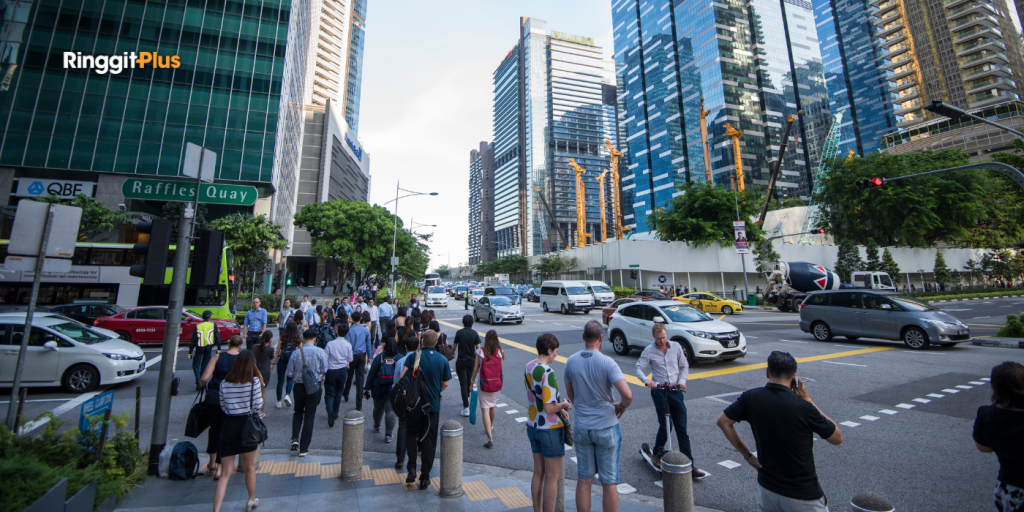
Personal bankruptcy filings in Singapore rose to 482 cases in the first quarter of financial year 2026, up from 378 a year earlier. Singapore’s Ministry of Law pointed to several common causes: overspending, unemployment, acting as guarantors, and insufficient income to cover daily expenses.
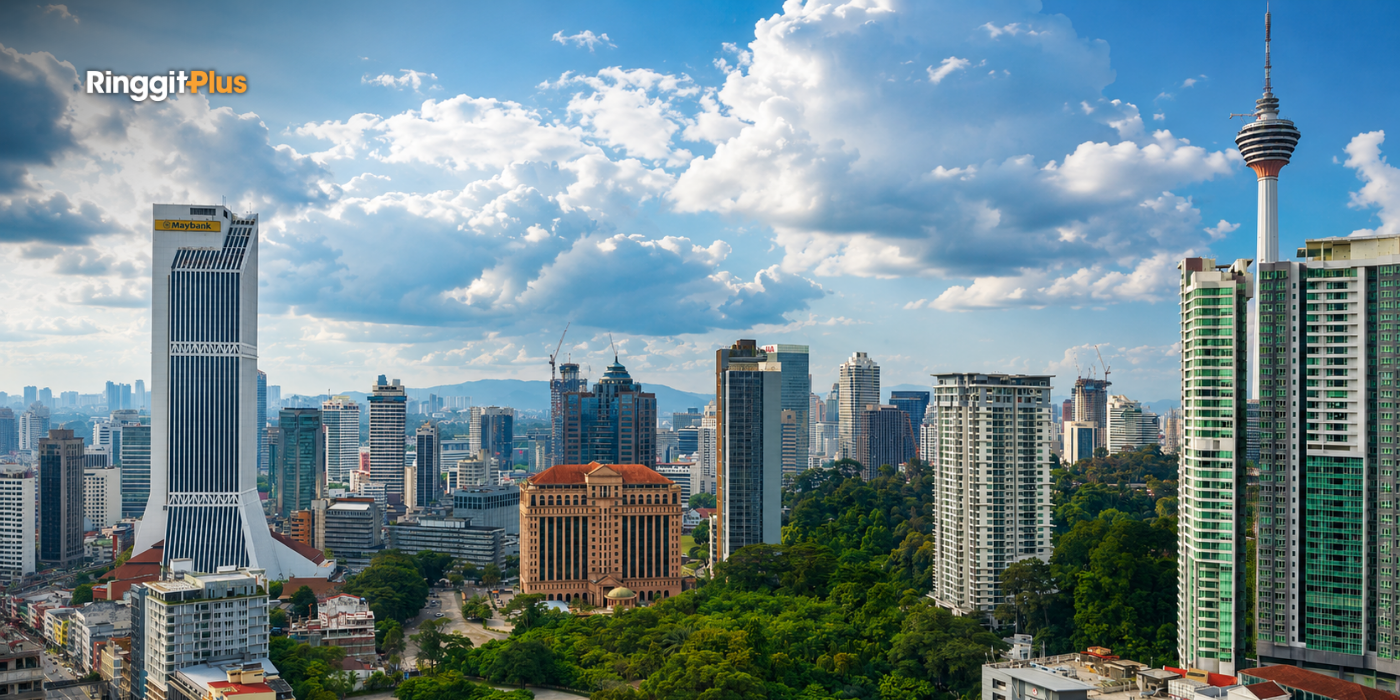
What’s happening in Malaysia? Well, Jabatan Insolvensi Malaysia recorded 6,776 new bankruptcy cases in 2025, up from 5,977 the year before. The largest group of people going broke were adults aged 35 to 44, who made up about 40% of cases over the past five years.
Savings Are Getting Tighter
Turns out, it is not just people at the lower end of the income scale feeling the pinch. Our RinggitPlus Malaysian Financial Literacy Survey 2025 found that 39% of those earning between RM5,000 and RM10,000 a month save less than RM500 monthly. The safety net is getting thinner too, with only 27% saying they could last more than six months without income.
Debt repayments are eating into whatever is left. Bluebricks, a financial consultancy that handles 30 to 40 debt consolidation enquiries daily, has seen this firsthand. Many clients in this income group are left with less than 10% of their salaries after repayments, even while they’re keeping up with their bills.
BNPL And Everyday Debt Pressure
A big part of the problem is how fast debt builds up without people noticing. BNPL spending hit RM9.3 billion in the first half of 2025 alone, and that is before including credit card balances growing through minimum repayments. Before you know it, you have got multiple repayment dates you can barely keep track of and no clear picture of what you actually owe.
The Singapore data also highlighted something that has been happening here in Malaysia, fraud victims being persuaded to take out loans to fund fake investment opportunities. Investment fraud cost Malaysians RM1.47 billion in 2025, with those aged 41 to 50 among the most affected. An age group that carries the heaviest financial load with mortgages, kids in school, and ageing parents.
What Bank Negara’s Household Debt Data Shows
According to Bank Negara Malaysia’s Quarterly Bulletin for Q1 2026, Malaysians owed a combined RM1.55 trillion in household loans as of end-March 2026, and that number has been growing every year. More debt, and as we have seen, less and less to fall back on.
For anyone wanting to check their own position, calculating a debt service ratio (DSR) can show how much of your monthly income is already going toward repayments. Banks generally prefer a DSR below 60%, because anything higher leaves very little room for emergencies.
Follow us on our official WhatsApp channel for the latest money tips and updates.
Iman writes about personal finance with curiosity. She is interested in the stories behind money, the hesitation around big decisions, and the small habits that shape financial futures. Off the clock, she is either dissecting a film or climbing her way up the leaderboard in her favourite games.
51vote
Article Rating
SHARE
About THE AUTHOR
Iman Aminuddin
Iman Aminuddin
Iman writes about personal finance with curiosity. She is interested in the stories behind money, the hesitation around big decisions, and the small habits that shape financial futures. Off the clock, she is either dissecting a film or climbing her way up the leaderboard in her favourite games.
We provide weekly updates on every Friday at 5pm on the prices of RON95, RON97 and Diesel in Malaysia and a chart that shows the movement of fuel prices across a 6-week period. Bookmark this page now!







Comments (0)