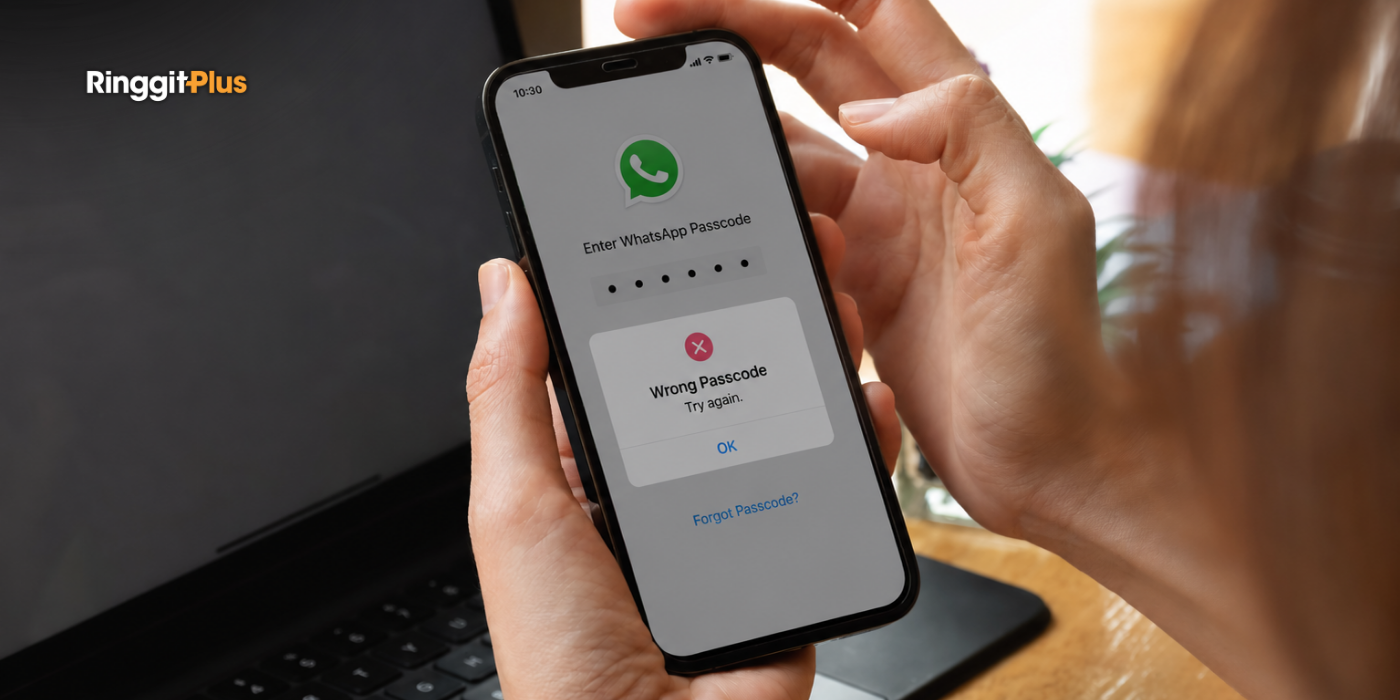
Meta has announced the rollout of new protection features designed to disrupt fraudulent activity and help users stay safe when messaging on the platform. The update includes new tools to detect suspicious behaviour, reduce scam exposure, and educate users on how to avoid falling victim to common tactics.
The platform continues to see rising attempts by criminals who exploit economic uncertainty and digital communication to deceive users. From fake investment opportunities to group chat manipulation, these scams are often designed to appear legitimate and urgent, prompting users to act before verifying the source.
Disrupting Scam Networks Before They Operate
Many criminal operations are linked to centres operating across Southeast Asia, such as Myanmar and Cambodia. These networks are sometimes run with forced labour and are often tied to larger organised crime groups.
Between January and June 2025, WhatsApp detected and banned more than 6.8 million accounts connected to such crime centres. This action was taken proactively, with accounts removed before they could fully engage with victims. The effort reflects WhatsApp’s commitment to strengthening user safety by identifying fraudulent behaviour early in the process.
Criminals Use Multiple Channels to Avoid Detection
According to Meta, operators often run multiple schemes simultaneously. Common tactics include fake cryptocurrency investments, fraudulent job offers, and pyramid recruitment models. Victims are often drawn in through casual platforms such as dating apps or social media, before being redirected to private messaging apps like WhatsApp or Telegram.
Crime syndicates frequently move victims between platforms during a single scheme. This strategy helps limit the visibility of the crime to any one service provider, making it more difficult for enforcement systems to track the full activity chain.
Partnership Disrupts Coordinated Scams Using AI Tools
In a recent operation, Meta worked with OpenAI to disrupt a coordinated scam network linked to a criminal centre in Cambodia. This group used generative AI tools such as ChatGPT to craft persuasive messages, luring victims into group tasks that promised quick financial returns.
One reported tactic involved sending a link from an AI-generated message, which redirected users to Telegram. There, victims were assigned to like videos on social media as part of a fabricated promotion campaign. The criminals then encouraged users to deposit cryptocurrency into external wallets, claiming it was required for continued participation and rewards.
New Safety Features for Group and Private Messaging
To strengthen protection, WhatsApp is introducing new features that give users more context and control when interacting with unfamiliar contacts or groups.
When someone who is not in your contact list adds you to a group, a new safety overview will appear. This overview includes information about the group and tips to stay safe. Users can choose to leave the group without opening the chat or opt to view the chat if the group seems familiar. Until the user makes a choice, group notifications will be silenced.
In one-to-one messaging, WhatsApp is also testing alerts that provide additional context before starting a conversation with an unknown contact. This is intended to help users pause and assess the legitimacy of a new chat request before responding.
The best advice is always to look for the Blue Tick next to a Business that you chat with on WhatsApp,
Encouraging Users to Stay Vigilant on Private Platforms
Crime attempts frequently begin with simple messages that appear harmless but are designed to manipulate trust or fear. For example, a stranger may promise guaranteed returns, offer a job with unusually high pay, or claim to be a friend in financial trouble.
Meta encourages users to be cautious when receiving unexpected messages, particularly those involving money or personal information. Taking a moment to pause and verify a message can make a significant difference in avoiding fraud.
If a message claims to be from someone familiar, users are advised to confirm their identity through a separate communication method. For instance, if contacted through WhatsApp, calling the known number or reaching out via another verified platform may help verify authenticity.
Strengthening User Awareness and Platform Safety
WhatsApp’s latest measures are part of an ongoing strategy to reduce digital scams and increase transparency across its messaging ecosystem. By combining proactive detection, partnerships with safety organisations, and in-app guidance, the platform aims to give users more confidence and control in protecting themselves online.
The new safety tools are currently being rolled out in stages and will continue to expand globally in the months ahead. WhatsApp users are encouraged to stay informed about these updates and use available resources to remain safe on the platform.
You can read about how RinggitPlus protects customers who do business with us on our WhatsApp page.
Samuel writes about personal finance and financial news, focusing on how banking updates, policies, and promotions affect everyday money decisions. He enjoys making complicated financial topics easier to follow. Outside of writing, he spends his time watching TV shows and occasionally convincing himself he will only watch one episode.
Samuel writes about personal finance and financial news, focusing on how banking updates, policies, and promotions affect everyday money decisions. He enjoys making complicated financial topics easier to follow. Outside of writing, he spends his time watching TV shows and occasionally convincing himself he will only watch one episode.
We provide weekly updates on every Friday at 5pm on the prices of RON95, RON97 and Diesel in Malaysia and a chart that shows the movement of fuel prices across a 6-week period. Bookmark this page now!








Comments (0)