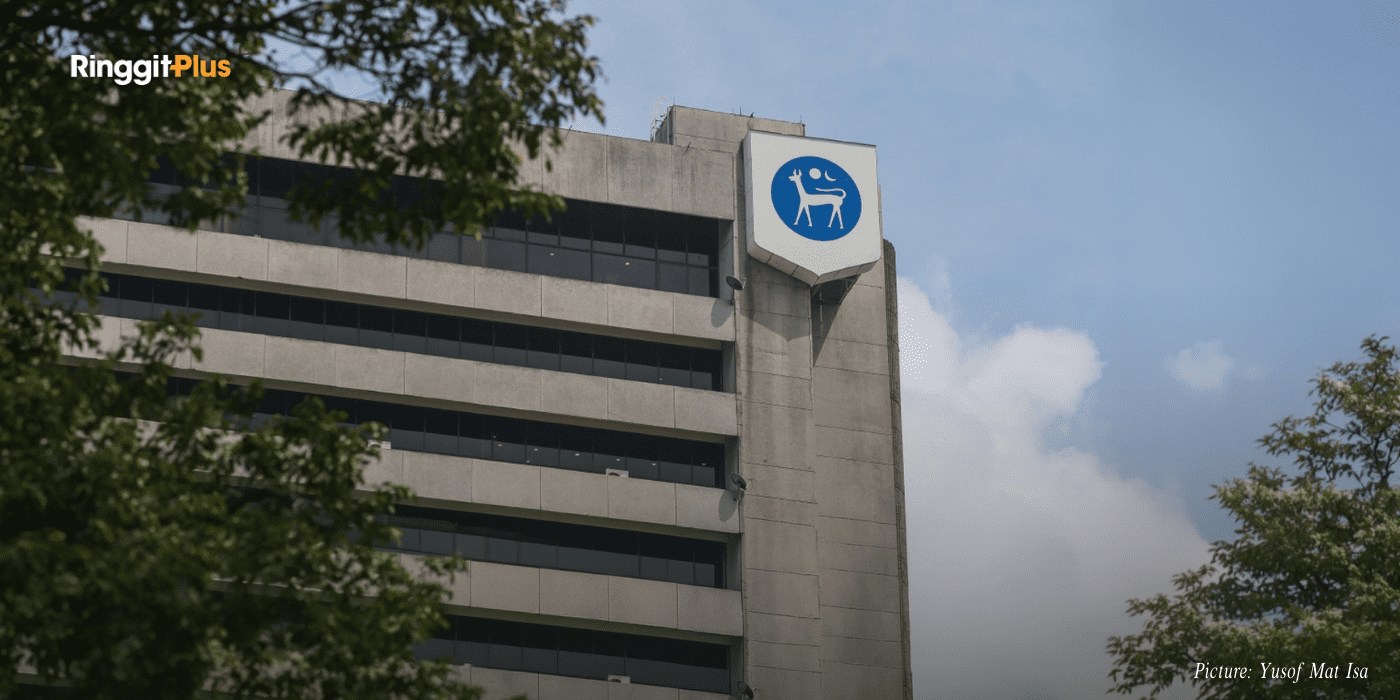
Higher fuel prices often raise concerns about whether the cost of borrowing money will increase next, but for now that risk appears limited as Bank Negara Malaysia is expected to hold off on raising interest rates while assessing whether rising oil prices will lead to lasting inflation or affect economic growth.
Bank Muamalat Malaysia Bhd chief economist Mohd Afzanizam Abdul Rashid said policymakers are likely to wait for clearer signs before taking action, especially as current price pressures are linked to global supply risks rather than strong domestic demand.
Rate Hikes Are Unlikely In The Near Term
Raising interest rates is one way to control inflation, but it may not be effective when price increases are driven by supply disruptions such as higher oil prices.
As a result, the central bank is expected to avoid acting too early, which means housing and car loan repayments are unlikely to rise in the near term.
Fuel Subsidies Are Containing The Impact For Now
Fuel subsidies continue to limit how much higher global oil prices affect consumers, although the current system still applies across income levels.
If oil prices remain elevated, the government may move towards a targeted approach where higher-income households receive less support, building on systems like MyKad that have already been used to distribute targeted subsidies under programmes such as Budi95.
This means the financial pressure for households may come from higher fuel costs later on rather than from higher interest rates.
Higher Oil Prices Are Increasing Government Spending
Rising oil prices have pushed up the cost of maintaining subsidies, with monthly petrol subsidies now around RM2 billion and diesel subsidies at about RM1.2 billion, bringing total monthly spending to RM3.2 billion compared with roughly RM700 million previously.
Past trends show that subsidy spending increases when oil prices rise, as seen in 2022 when higher crude prices drove total spending to RM23.1 billion, before easing to RM19.7 billion in 2024 when prices were lower.
If global oil prices remain high, the growing fiscal burden may lead to adjustments in how subsidies are structured.
Malaysia Has Some Buffer From Oil And Gas Exports
Malaysia’s position as an oil and gas producer provides some support, with the country recording a trade surplus of RM18.2 billion in this sector in 2025.
This helps offset part of the external pressure, although it does not fully shield households from rising living costs, particularly if subsidy changes are introduced.
Rising Costs Can Still Affect Spending
Even without changes to interest rates, higher fuel and transport costs can reduce how much households spend on other goods and services, while businesses may also scale back activity, which can slow overall economic growth.
Because of this, economists are cautious about tightening policy too quickly in the current environment.
Oil Prices Are Expected To Stay Elevated
Ongoing geopolitical tensions and supply uncertainty are likely to keep oil prices high, with no clear signs of easing at this stage.
This creates a situation where policymakers need to manage rising costs without introducing measures that could weaken economic activity.
What This Means For Your Finances
Loan repayments are expected to remain stable in the near term, which provides some relief for borrowers.
However, the pressure is likely to show up through higher everyday expenses, especially if fuel subsidies are adjusted, which means household budgets may tighten as a larger share of income goes towards transport and essential costs rather than savings or discretionary spending.
Follow us on our official WhatsApp channel for the latest money tips and updates.
Samuel writes about personal finance and financial news, focusing on how banking updates, policies, and promotions affect everyday money decisions. He enjoys making complicated financial topics easier to follow. Outside of writing, he spends his time watching TV shows and occasionally convincing himself he will only watch one episode.
00votes
Article Rating
SHARE
About THE AUTHOR
Samuel Chua
Samuel Chua
Samuel writes about personal finance and financial news, focusing on how banking updates, policies, and promotions affect everyday money decisions. He enjoys making complicated financial topics easier to follow. Outside of writing, he spends his time watching TV shows and occasionally convincing himself he will only watch one episode.
We provide weekly updates on every Friday at 5pm on the prices of RON95, RON97 and Diesel in Malaysia and a chart that shows the movement of fuel prices across a 6-week period. Bookmark this page now!







Comments (0)