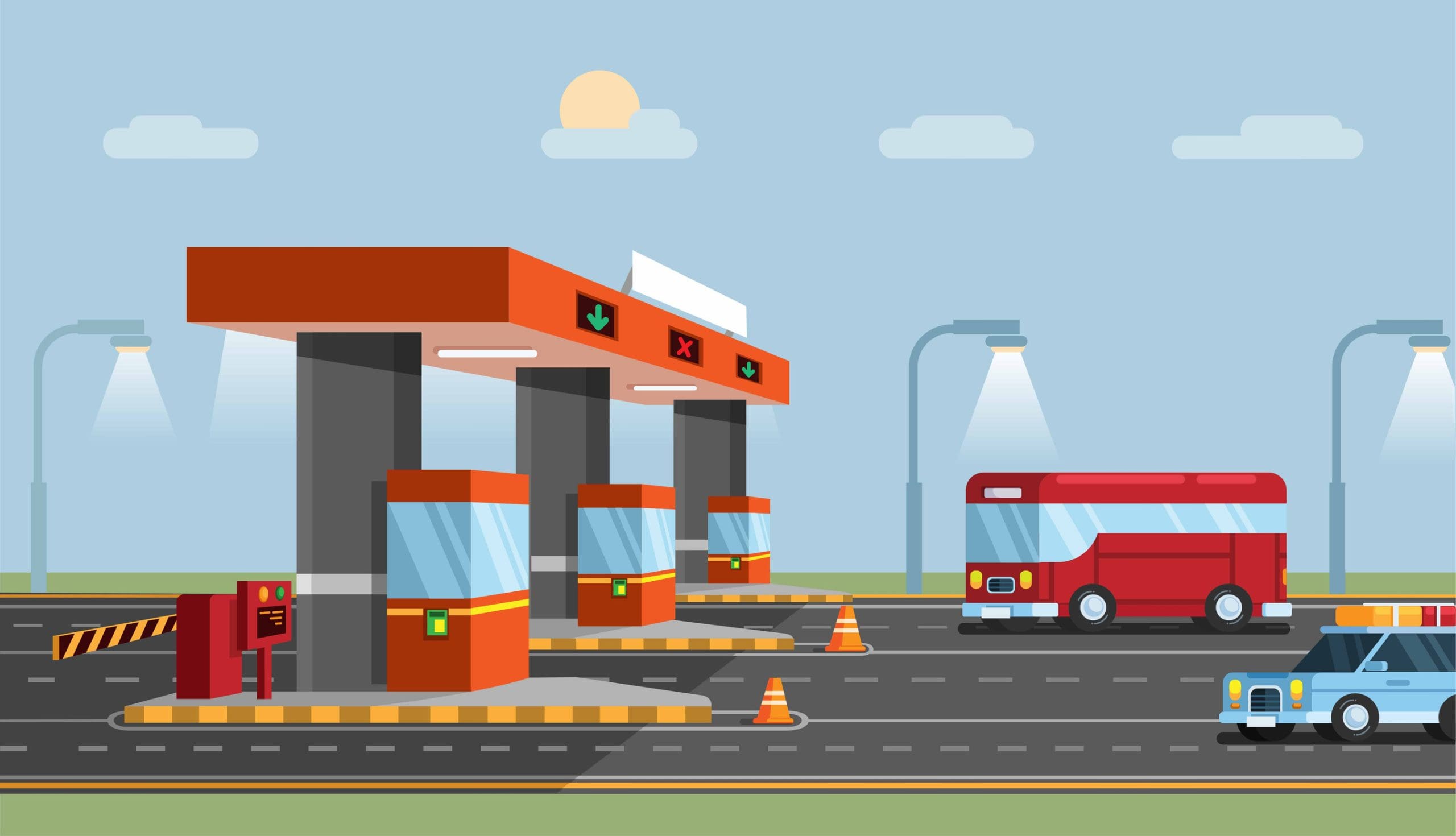
There’s a decent chance you’ve been driving past a more convenient toll payment option without realising it. Those lanes displaying Visa, Mastercard, and MyDebit logos accept your regular bank debit or credit card – no TNG card needed.
It’s called the Open Payment System, and it’s been operating since 2023. The system now covers most Klang Valley highways, which means you can skip worrying about TNG balance on quite a few routes.
Can I Use A Debit Card To Pay Tolls On LDP?
Yes. The Lebuhraya Damansara-Puchong (LDP) was among the first highways to implement OPS and accepts MyDebit, Visa, and Mastercard cards.
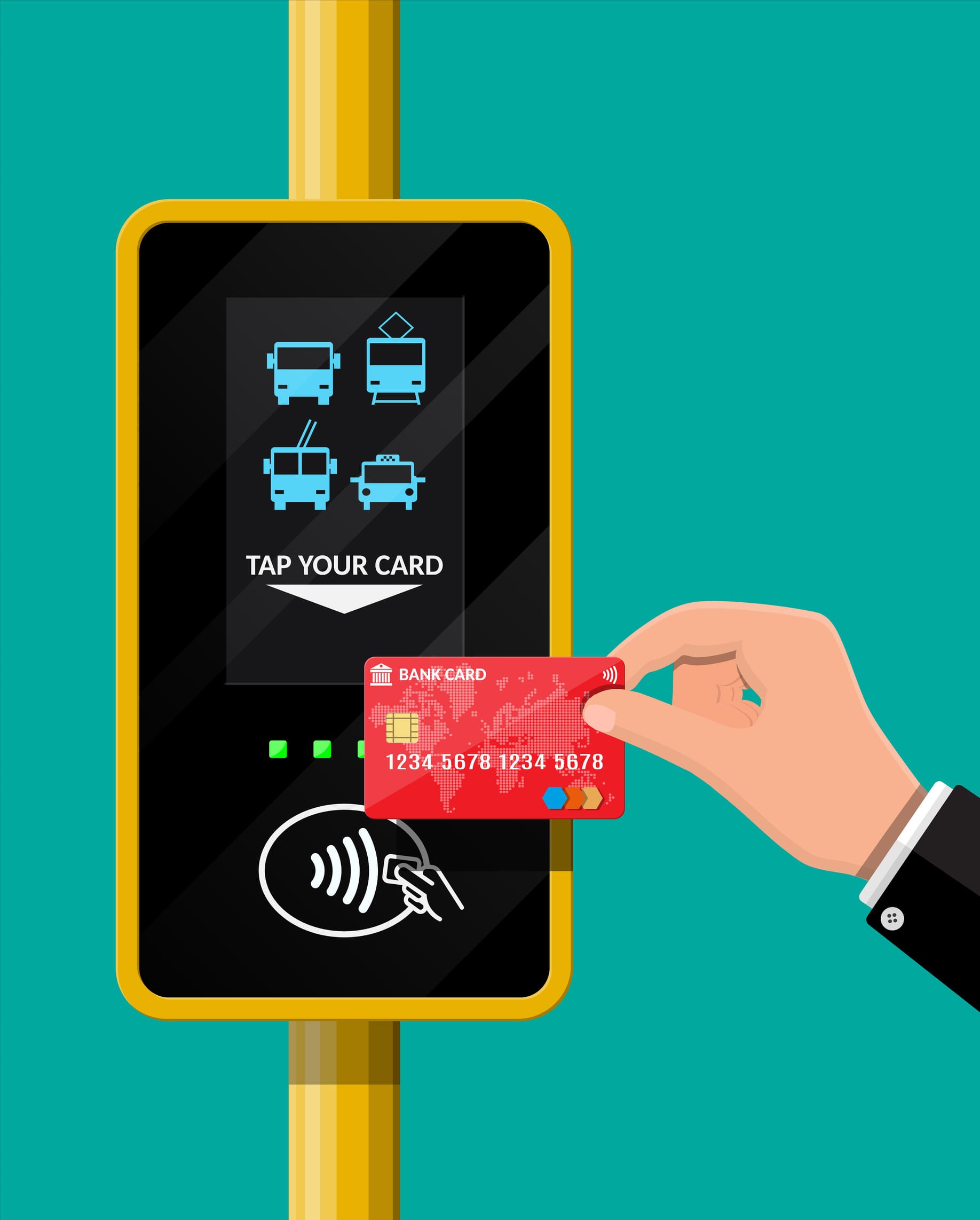
Look for lanes displaying these logos at the toll plaza. Just tap your bank card on the yellow area of the card reader, and the toll fee will be deducted from your bank account or credit limit. Bank cards won’t work at TNG-only, SmartTAG, or RFID lanes.
Which Highways Accept Debit Card Payments?
You’ll find OPS at most Klang Valley highways and select urban expressways. The ALR Group and Prolintas manage the majority of OPS-enabled routes.
PLUS Malaysia currently offers OPS only at select pilot locations:
Jitra Toll Plaza (North-South Expressway)
Kubang Semang and Lunas Toll Plazas (Butterworth-Kulim Expressway)
Penang Bridge (pilot phase)
If you’re planning long-distance travel along the North-South Expressway, you’ll still need Touch ‘n Go or RFID for most toll plazas. This is particularly important for highways using a closed toll system, where you must use the same payment method at both entry and exit.
Do I Need To Register My Debit Card For Toll Payment?
No, you don’t need to register with any highway operator. However, your card must have two features activated through your bank:
1. Contactless Payment (Paywave/Paypass) – This lets you tap your card without inserting it or entering a PIN. Most banks enable this by default, but check your mobile app to confirm.
2. Card-Not-Present (CNP) Feature – This allows highway operators to recover toll charges if your contactless payment is declined after you’ve already passed through the toll booth. You’ll need to activate this through your bank’s mobile app or website.
Before heading out, ensure your card has:
Sufficient balance (debit) or available credit (credit card)
Contactless payment enabled
CNP feature enabled
Check your bank’s mobile app if you’re unsure about these settings.
What Is The Difference Between TNG Card And Debit Card Toll Payment?
The main differences come down to how you manage funds and where you can use each method.
TNG is a prepaid, closed-loop system. You reload in advance and the balance is stored within the TNG ecosystem. It works at every toll plaza in Malaysia, plus public transport, parking, and retail locations. Reloading with a credit card incurs a 1% convenience fee.
OPS with bank cards deducts toll charges directly from your bank account or credit card without requiring prepaid top-ups. However, it only works at specific highways and isn’t accepted for public transport or parking. Credit card users can earn regular rewards or cashback on toll spending.
Are There Fees For Using Debit Cards At Tolls?
No. Highway operators and banks don’t charge any additional fees for using debit or credit cards through OPS. You pay only the toll rate itself.
This is more straightforward than the TNG eWallet, where reloading with a credit card incurs a 1% convenience fee. If you’re using an international bank card, check with your issuer about potential foreign transaction fees.
Can Credit Cards Be Used At Toll Plazas?
Yes. Any valid Visa or Mastercard credit card works the same way as debit cards at OPS lanes, as long as it has contactless payment and CNP features enabled. The toll charge will be added to your credit card balance.
Depending on your card’s terms, toll payments may earn cashback, rewards points, or air miles. Check with your issuer to confirm. Supplementary credit cards also work at OPS lanes.
What To Do If Your Card Gets Declined At The Toll?
At the toll booth: If your card is declined, most OPS lanes have a Touch ‘n Go terminal as backup. You can tap your TNG card at the same booth to complete the payment and keep traffic moving.
Transaction timing: Toll charges typically appear on your bank statement within 1-2 business days. Some banks show the transaction as “pending” within a few hours, but the exact timing depends on your card issuer.
Backup payment options: Keep a Touch ‘n Go card or RFID with sufficient balance in your car. If you’re using TNG RFID or PayDirect and run out of balance at supported toll plazas, the SOS Balance feature will automatically cover the payment. You’ll have 24 hours to reload your eWallet and repay the amount, otherwise the feature gets suspended until you settle it.
Handling disputes: For issues like double deductions or overcharging on your bank card, contact your card-issuing bank directly. Highway operators can’t resolve banking-related transaction issues.
Mobile wallets: While Apple Pay or Samsung Pay might technically work, highway operators discourage using phones at toll lanes due to the risk of dropping or damaging your device. Use your physical card instead.
Should You Switch To Debit Card Toll Payments?
The answer depends on which highways you use regularly.
OPS makes sense if:
You drive mostly on Klang Valley highways (LDP, KESAS, SPRINT, DUKE, MEX)
You prefer not managing a separate prepaid balance
You want to earn credit card rewards on toll spending
Your usual routes have OPS lanes available
Stick with Touch ‘n Go if:
You frequently use the North-South Expressway
You need payment flexibility across all highways
You use public transport, parking, or retail locations that accept TNG
You prefer the faster transaction speed of TNG cards
The practical approach is to keep both options available. Use your bank card where OPS is supported, and keep your TNG card or RFID as a universal backup. This gives you flexibility without being caught at a toll plaza with the wrong payment method.
Before your next highway trip, check your bank’s mobile app to ensure both contactless payment and CNP features are enabled on your card. If you’re unsure which payment method works at a specific toll plaza, the TNG option remains your safest bet.
Follow us on our official WhatsApp channel for the latest money tips and updates.
Christina writes about personal finance with an eye for making the complicated feel straightforward. She is drawn to the everyday money decisions people face and genuinely enjoys finding the clearest way to explain them. Between articles, she is probably napping, on a hiking trail, or terrorising her sister’s cats.
00votes
Article Rating
SHARE
About THE AUTHOR
Christina Chandra
Christina Chandra
Christina writes about personal finance with an eye for making the complicated feel straightforward. She is drawn to the everyday money decisions people face and genuinely enjoys finding the clearest way to explain them. Between articles, she is probably napping, on a hiking trail, or terrorising her sister's cats.






Comments (0)