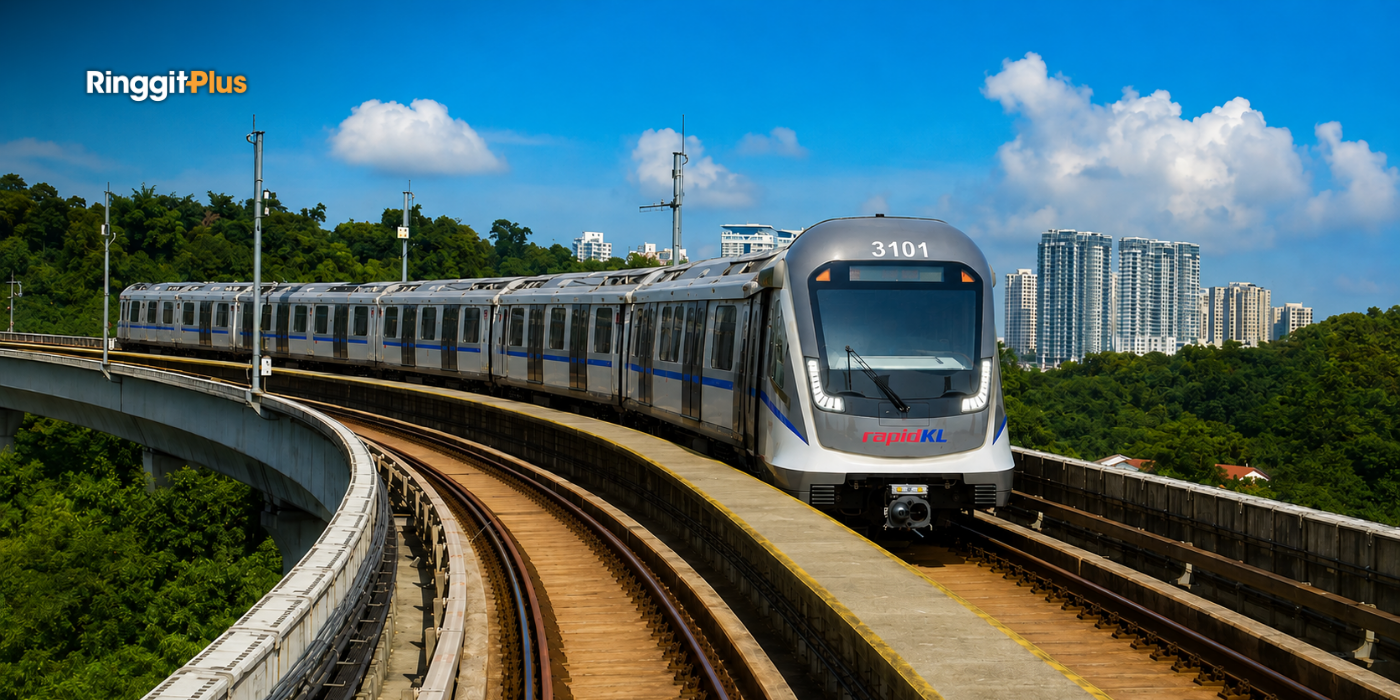
The LRT3 Shah Alam Line opened yesterday, and the familiar blue plastic tokens for single-trip tickets are nowhere to be found. Prasarana has swapped them out for printed paper receipts carrying QR codes, which you scan at the fare gate to enter and exit.
The new ticketing setup is already live at all 20 LRT3 stations, though it wasn’t part of the official launch announcements.
How The QR Tickets Work
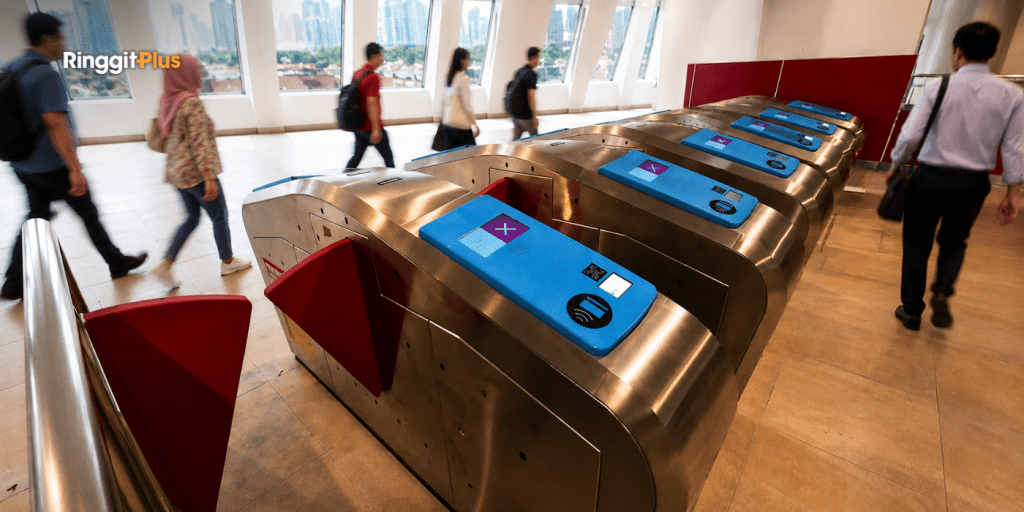
The new system applies if you’re buying a single-trip ticket, rather than tapping in with a Touch ‘n Go card, MyKad, or Rapid KL rail pass. Once the free ride period ends on 31 July 2026, tickets purchased at station kiosks or customer service counters will come as printed receipts with a QR code. You scan the code at the fare gate to enter, and scan again to exit.
The fare gates and ticket vending machines at LRT3 stations have been redesigned to support this. Each machine has a dedicated QR code scanner alongside the existing contactless readers for Touch ‘n Go cards and MyKad.
Hardware Already Supports Open Payments
The QR scanners installed at LRT3 stations can do more than read travel tickets. The hardware is also capable of scanning QR codes from banking apps and e-wallets, though this feature is not yet active.
The ticketing system has been built with open payments in mind, according to Prasarana. Open payments would let you tap a bank card or pay with an e-wallet directly at the fare gate, without needing a Touch ‘n Go card or buying a ticket at all.
Open payment systems have already been rolled out on several Klang Valley highways for toll payments, where you can tap a debit or credit card at the toll booth. Bringing the same concept to rail would make things easier for occasional commuters who don’t carry a Touch ‘n Go card or don’t want to keep one topped up just for the odd train ride.
Only On LRT3 For Now
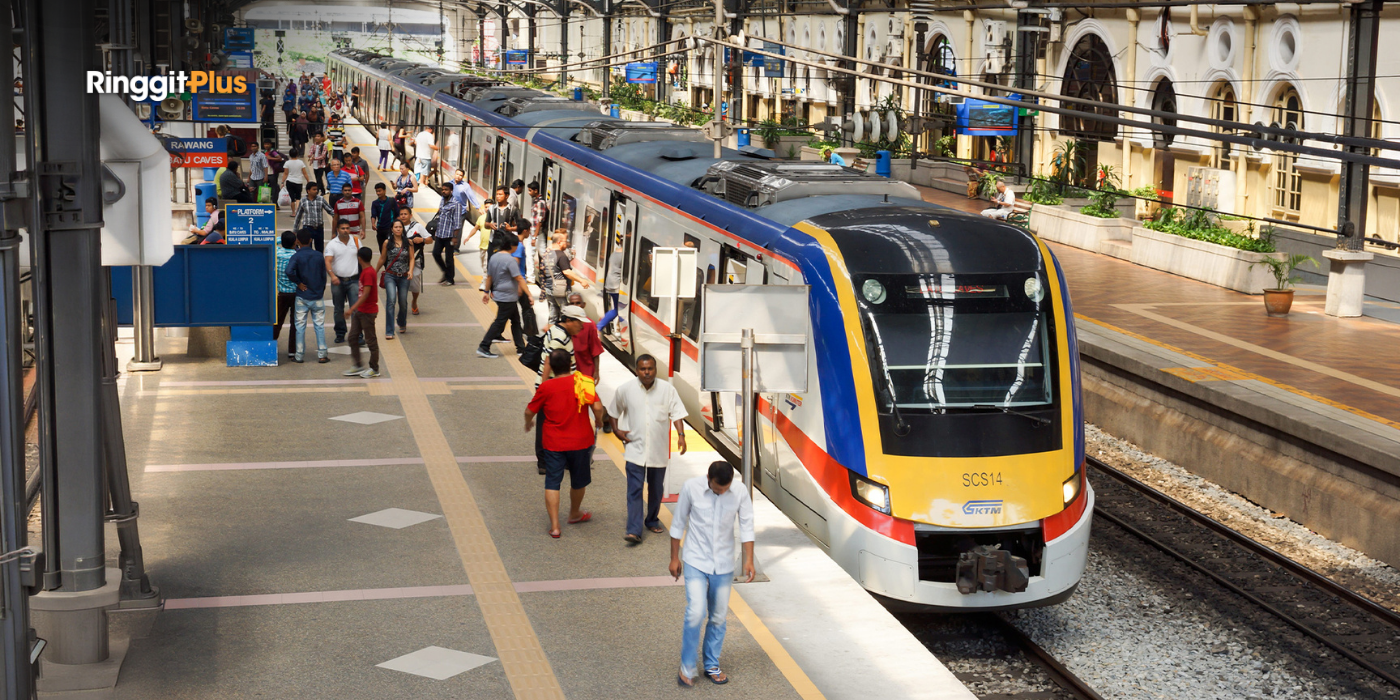
The QR code ticketing system is exclusive to the LRT3 Shah Alam Line. There are currently no plans to roll it out on the Kelana Jaya, Ampang, or Sri Petaling lines, which will continue using the existing token-based system for single-trip journeys.
For most commuters who already use Touch ‘n Go or MyKad, the day-to-day experience won’t change. The QR code system mainly affects people buying single-trip tickets, whether they’re occasional riders, tourists, or anyone who prefers not to carry a stored-value card. If you fall into that group and you’re riding LRT3, you’ll need to scan a printed receipt instead of dropping a token into the gate.
Follow us on our official WhatsApp channel for the latest money tips and updates.
As a creative content writer, Eloise has covered finance, business, lifestyle topics, and even moonlights as a singer-songwriter outside of RinggitPlus. Her current interests are learning the best ways to optimise spending and credit card hacks to gain more airline miles.
00votes
Article Rating
SHARE
About THE AUTHOR
Eloise Lau
Eloise Lau
As a creative content writer, Eloise has covered finance, business, lifestyle topics, and even moonlights as a singer-songwriter outside of RinggitPlus. Her current interests are learning the best ways to optimise spending and credit card hacks to gain more airline miles.




Comments (0)