When Prime Minister Anwar Ibrahim tabled Budget 2026 on 10 October, he announced a restructuring of how government assistance works and expanded tax reliefs. We’ve taken every tax relief, subsidy, and cash payment mentioned in Budget 2026 and organised them into personal checklists based on your situation in life. It’s time to start planning ahead!
If You’re Single And Under 60
Your potential savings: RM1,500-RM2,000 in reduced taxes, plus RM100 cash
Singles under 60 lose the cash component of STR completely. Your entire RM600 annual allocation converts to SARA credits, and you can only spend on essentials at registered retailers. The government assumes you have financial flexibility that families don’t.
The tax system is where singles make their money back. Budget 2026 expands lifestyle reliefs that match how young professionals already spend money. Use them properly and you’ll keep an extra RM2,000 that would otherwise go to LHDN.
Money That Arrives Without Any Effort
Through SARA, you’ll get RM100 loaded to your MyKad in mid-February 2026. An additional RM50 monthly (RM600 annually) under STR goes onto the same card for groceries at participating retailers.
Tax Reliefs Worth Your Time To Claim
The RM2,500 digital relief covers services. Your internet bill, your phone bill, or even the new smartphone that you bought, they all count. Hit RM2,500 and stop keeping receipts for this category.
The RM1,000 tourism relief is completely new. Keep the receipts for every entrance ticket to a tourist attraction or cultural show. Weekends in 2026 just got a whole lot more fun!
Your RM150 monthly gym membership costs RM1,800 annually, but you can only claim RM1,000 under the fitness relief. You hit the cap by July. That RM600 rock climbing course you did in March? Can’t claim it, you already maxed out on gym fees.
Any structured course qualifies for the RM2,000 upskilling relief. Whether it’s photography workshops, language classes, or professional certifications, if there’s a syllabus and a certificate, it probably counts.
Action Plan For Singles:
Set up four folders before 1 January 2026, one each for digital, travel, fitness, and learning expenses. Every time you buy something that might qualify, the receipt goes in the folder. Take screenshots of subscription renewal emails.
Let’s say you’re 28, earning RM5,000 monthly. You already pay RM180 monthly for internet, bought a RM3,500 laptop in March, maintain a gym membership, and took an RM800 online course. Those everyday expenses are worth RM5,300 in tax reliefs. Add your automatic RM9,000 individual relief and RM4,000 EPF relief, and you’ve just reduced your taxable income by RM18,300. At your income level, that’s RM1,500-2,000 staying in your account.
File your tax return between March and April 2027. Don’t forget to keep your receipts!
If You’re A Couple (Married, No Children Yet)
Your potential savings: RM3,000-RM4,000 in reduced taxes, plus RM12,000-RM15,000 if buying property
Married couples have one major advantage over singles: you file separately, which means you can stack reliefs. One partner claims the household internet, the other claims their phone upgrade. Both of you claim separate gym memberships, separate holiday trips, and separate courses. Every relief gets used twice.
Property is where couples see the biggest single benefit. If you’re buying your first home before the end of 2027, you can save RM12,000-RM15,000 in stamp duty. That’s not a small incentive. That’s six months of mortgage payments you don’t have to make.
Money That Arrives Immediately
From the one-off SARA payment in mid-February, you’ll get RM200 total. That’s RM100 for each. You’ll also get an additional RM100 monthly, which goes onto both your MyKad cards from STR for essential goods purchases.
The Property Benefit That Saves You RM15,000
Full stamp duty exemption on properties up to RM500,000, but only if you complete the purchase before 31 December 2027. Buy a RM400,000 apartment on 2 January 2028 instead of 30 December 2027, and you’ll write a cheque for RM11,000 in stamp duty that someone who bought three days earlier didn’t pay.
After you complete the purchase, the partner whose name is on the loan can claim up to RM7,000 in housing loan interest as an additional tax relief (for properties above RM300,000). In your first year of homeownership, this is a substantial deduction.
Action Plan For Couples
Sit down together before the year starts. You might buy a new laptop, upgrade both phones, maintain gym memberships, or take a professional certification. Decide right now who claims what.
Partner A claims: household internet (RM2,160 annually) + new laptop (RM3,500) = maxed out RM2,500 digital relief. Their existing gym membership (RM1,800 annually) = RM1,000 fitness relief claimed in full.
Partner B claims: phone upgrade (RM1,500) + phone bill (RM700 annually) = RM2,200 digital relief. Weekend hiking course (RM600) = RM600 fitness relief. Professional certification course (RM1,500) = RM1,500 upskilling relief.
Both of you claim your individual RM9,000 relief and RM4,000 EPF relief automatically.
Combined household reliefs: RM33,800 against RM132,000 combined annual income. Add property purchase in August, and Partner A (the loan holder) claims an additional RM3,000 in housing loan interest for the five months of 2026, as they paid the mortgage. Total reliefs for Partner A jump to RM16,500.
Have that coordination session before 31 December 2025. Make a list tracking who’s claiming what category. Put both your names on receipts where possible, then decide later who actually claims it based on who has remaining capacity in that relief category.
If you’re buying property in 2026 or 2027, engage a lawyer before the end of this year. The stamp duty exemption isn’t automatic; it requires proper documentation in your Sales and Purchase Agreement proving this is your first property purchase.
Each of you maintains separate receipt folders. When April 2027 comes and you’re both filing tax returns, cross-check everything. Claiming the same laptop purchase on both returns triggers an audit you don’t want.
If You’re a Family of Four (Two Parents, Two School-Aged Children)
Your potential savings: RM2,500-4,000 in reduced taxes, plus RM48,000 per child in eliminated university debt
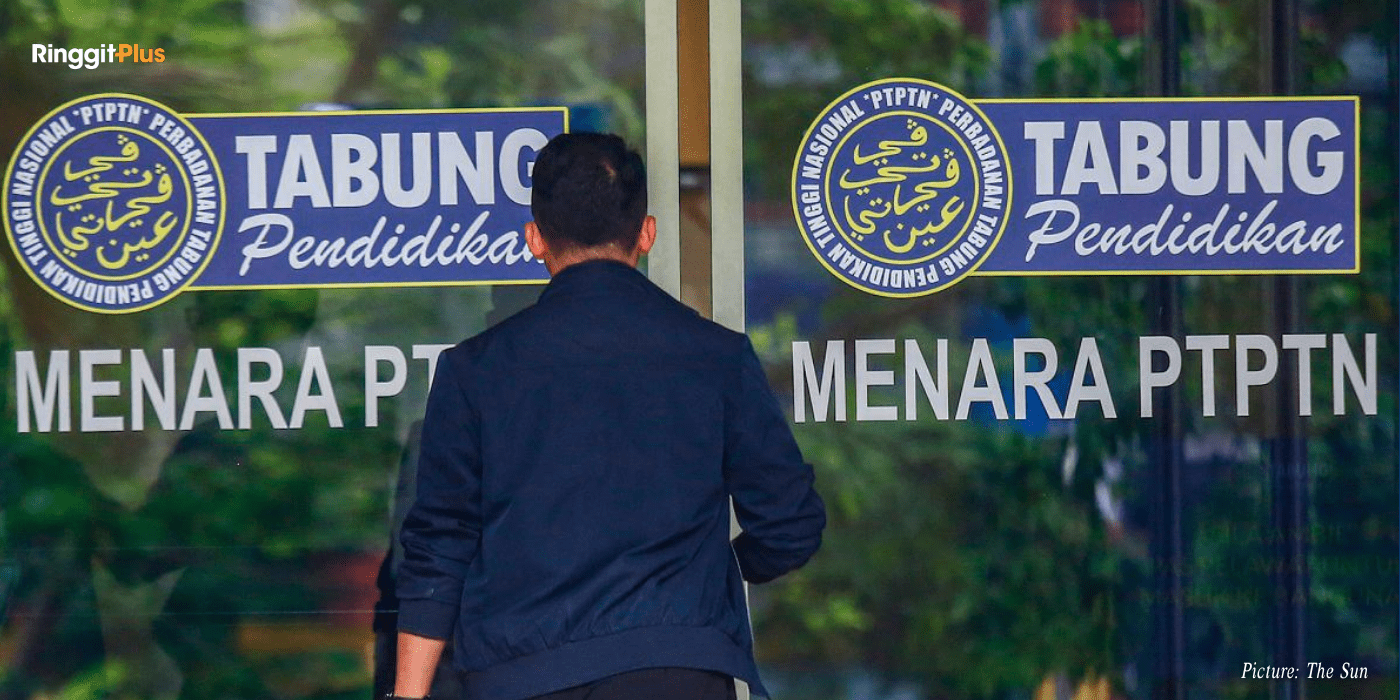
Every major policy initiative in Budget 2026 targets families with school-aged children. The PTPTN university reforms represent the biggest single financial benefit the government has offered to lower-income and middle-income families in a decade. We’re talking about RM40,000-RM60,000 per child in debt that simply disappears if your kid qualifies for free PTPTN or graduates with First-Class Honours.
Money That Arrives Without Any Application
You’ll get RM200 from both parents in mid-February. There will also be RM300 in Early School Aid (RM150 per child) distributed through your children’s schools at the start of the year. Additionally, monthly SARA credits of RM100 (or RM200 if you’re registered under e-Kasih) will be loaded to your MyKad for groceries and essentials.
What Changed For Families In 2026
The childcare relief now covers children up to age 12, not just age 6. That after-school care programme, that school bus service, that homework supervision centre all count now. There is a RM3,000 cap, but if you’re paying RM600 monthly for after-school care, you’ll hit the cap by June and claim the full amount.
Families with a disabled child get an increased relief from RM6,000 to RM10,000. Combined with the standard RM2,000 per-child relief, you’re claiming RM12,000 for that child versus RM2,000 for your other children.
The strategic approach: one parent claims all the family-related reliefs while the other maximises lifestyle reliefs. This works because some reliefs (like child reliefs) can only be claimed once per household, while others (like fitness) can be claimed separately by each spouse.
The higher earner (primary filer) claims everything related to children and dependents: RM9,000 individual relief, RM4,000 for both children, RM10,000 disabled child supplement if applicable, RM3,000 childcare fees, up to RM16,000 in medical expenses for children and ageing parents, RM3,000 life insurance and EPF.
The secondary filer claims their own basics plus all the lifestyle reliefs: RM9,000 individual relief, RM4,000 EPF, RM2,500 digital, RM1,000 fitness, RM1,000 tourism, RM2,000 upskilling.
A family earning RM8,000 monthly household income (RM96,000 annually) can claim RM15,600+ in reliefs on the primary filer’s return alone. At that income bracket, you’re saving RM2,500-RM4,000 in taxes. Add the potential RM48,000 – RM60,000 per child in PTPTN debt elimination, and you’re looking at a six-figure financial impact over your children’s educational lifetime.
Action Plan For Families
Check your e-Kasih registration status before 31 December 2025. This determines whether your SARA credits are RM1,200 or RM2,400 annually, and whether your children qualify for free university education. If you meet the income criteria but aren’t registered, start the application now.
Starting 1 January 2026, any time you spend money on potentially claimable expenses, like gym membership, hotel bookings, laptops, courses, childcare, and parents’ medical bills, the receipt goes straight into your collection spot. For physical receipts, get a large envelope, a shoebox, or a desk drawer. Take photos of receipts that fade (thermal printer receipts from shops) and save digital receipts from online purchases to the same folder on your phone or email.
Don’t worry about it being too messy! You can sort them out in March 2027 when you’re actually filing your taxes. The most important thing is keeping the receipts, not organising them perfectly as you go.
For childcare expenses, you need official receipts from SSM-registered businesses. A handwritten note from your babysitter won’t survive an audit. If your after-school care provider isn’t giving proper receipts, request them. They’re legally required to provide documentation.
For medical expenses supporting ageing parents, keep everything: physiotherapy receipts, medication bills, and medical equipment purchases. The RM8,000 parent medical relief covers substantial costs, but only with proper documentation.
If you have a child approaching Form Five, research universities and programmes now. Understand which institutions have higher First-Class graduation rates. Have a conversation with your child about what that RM48,000 debt forgiveness means for their future. A 3.75 GPA versus a 3.49 GPA is the difference between starting their career debt-free and making RM485 monthly loan payments for a decade.
File your tax return between March and April 2027 with complete documentation. Family filers claim numerous reliefs, which means a higher audit risk. Keep copies of every receipt, every payment confirmation, every official document.
Other Benefits Worth Mentioning
Own a car from 2004 or earlier? The vehicle scrappage scheme gives you up to RM4,000 as a grant when you retire that old vehicle and buy a new one. On a RM70,000 new car purchase, that’s effectively a 5.7% discount.
New consumer protection laws (Lemon Law) give you legal recourse if you buy a defective vehicle. Not a cash benefit, but it dramatically reduces your risk on one of the biggest purchases you’ll make.
If someone in your household needs regular hemodialysis, PERKESO coverage increased from RM150 to RM170 per session. At three sessions weekly, that’s RM240 monthly in reduced out-of-pocket costs.
When Money Arrives and When You Must Act
Mid-February 2026: RM100 SARA payment hits your MyKad automatically.
Monthly throughout 2026: SARA credits (RM100 or RM200, depending on eligibility) will be loaded to your MyKad on the same date each month.
Throughout 2026: You’re collecting receipts for tax relief claims. There’s no way to backdate documentation in March 2027 for expenses you incurred but didn’t document in January 2026.
1 March to 30 April 2027: Tax filing window for Year of Assessment 2026. This is when you claim all your 2026 reliefs. Miss this period and you forfeit thousands in potential tax savings.
Before 31 December 2027: Final deadline for first-time homebuyers to complete property purchases eligible for stamp duty exemption. Complete your purchase on 1 January 2028, and you’ll pay RM12,000-RM15,000 in stamp duty that someone who completed three days earlier avoided entirely.
What This Means for Your Household
Singles benefit from expanded lifestyle reliefs that match how they already spend money. Couples can stack those same reliefs across two tax returns while capturing one-time property purchase savings. Families receive expanded support for raising children, plus university financing reforms that eliminate debt for high-achieving students from lower-income and middle-income backgrounds.
The benefits aren’t automatic. Tax reliefs require documentation collected throughout the entire year. Property incentives have firm deadlines. For middle-income families, PTPTN reforms only help students who understand the First-Class Honours requirement and plan accordingly.
Starting 1 January, set up folders for digital expenses, travel, fitness, and learning. If you’re a family, add folders for childcare, children’s insurance, and parent medical expenses. Every time you spend money in these categories, the receipt goes in the folder immediately.
When tax season arrives, that documentation is worth RM1,500 for singles, RM15,000 for first-time homebuyers, and RM40,000+ for families with university-bound children. Start collecting receipts on 1 January 2026, and when April 2027 comes around, you’ll be claiming every ringgit you’re entitled to while others scramble to remember what they spent.
Want more financial tips and tricks? Follow us on our official WhatsApp channel.
As a creative content writer, Eloise has covered finance, business, lifestyle topics, and even moonlights as a singer-songwriter outside of RinggitPlus. Her current interests are learning the best ways to optimise spending and credit card hacks to gain more airline miles.
As a creative content writer, Eloise has covered finance, business, lifestyle topics, and even moonlights as a singer-songwriter outside of RinggitPlus. Her current interests are learning the best ways to optimise spending and credit card hacks to gain more airline miles.








Comments (0)