Applying for a credit card online is simple, getting it right the first time is even better. With the right preparation, you can avoid delays, protect your information, and boost your chances of approval. Here’s how to go from “thinking about it” to “approved” with confidence.
Where Is It Safe To Apply For A Credit Card Online?
Applying for a credit card online is generally safe, a little caution goes a long way. The easiest way to stay safe is to stick with places you already trust. That means your bank’s official website or a reputable comparison platform like RinggitPlus.
Am I Eligible To Apply? What Are The Strict Age And Minimum Income Requirements?
Before you apply, it helps to know whether you qualify. In Malaysia, you must be at least 21 years old to get a principal credit card. If you are between 18 and 20, you can still have a card, but only as a supplementary holder under someone else’s account.
Income requirements depend on the type of card and the bank offering it. Most entry-level cards ask for a minimum annual income of RM24,000, or RM2,000 a month. Other cards often require RM60,000 or more a year, Premium cards may demand annual income in excess of RM100,000These rules exist to make sure you can manage repayments, so checking your bank’s criteria before applying will save you time and effort.
What Kind of Forms Do I Have to Fill In?
Applying online means sharing a few key details. You will be asked for your name, NRIC, contact information, and home address, along with your employment details, monthly income, and any loans or financial commitments you already have. Some banks may also request an electronic signature before your application is complete.
If you use the RinggitPlus WhatsApp application service, the process feels even smoother. You can take as long as you like without worrying about the page timing out, and your information is protected with full end-to-end encryption. Whether you finish in ten minutes or come back to it later, everything stays secure and right where you left it. Just make sure the details you provide are accurate, as even small mistakes can slow things down.
What Is The Complete Checklist Of Documents I Need To Prepare?
Having the right documents ready before you start makes the application process much smoother. Banks will not move forward if paperwork is missing, unclear, or incomplete, so it is worth checking everything twice before you submit it.
For salaried employees, you will typically need:
A copy of your NRIC, showing both the front and back.
Your latest three months’ payslips. Some banks might accept just your latest one-month payslip if you are employed by a multinational, public listed, or government-linked company.
Your latest Employees Provident Fund (EPF) statement, showing a minimum of the latest 13 months’ contributions, printed from your i-Akaun.
Your latest income tax return, also known as Form J, along with its tax receipt.
Your latest three to six months’ bank statements, showing salary credits.
For self-employed individuals, the requirements are generally more extensive due to the nature of irregular income:
A copy of your NRIC, showing both the front and back.
Your Business Registration Certificate, Trading License, or relevant forms such as Form 9, Form 24, and Form 49.
Your latest six months’ company or personal bank statements.
Your latest income tax return, also known as Borang B, along with its tax receipt or e-Ledger for the past one year.
Make sure every scan or photograph is sharp, well-lit, and complete. Blurry images, cropped documents, or dark photocopies are some of the most common reasons applications are delayed or rejected, and they are also the easiest to avoid.
Why Your Credit History Matters
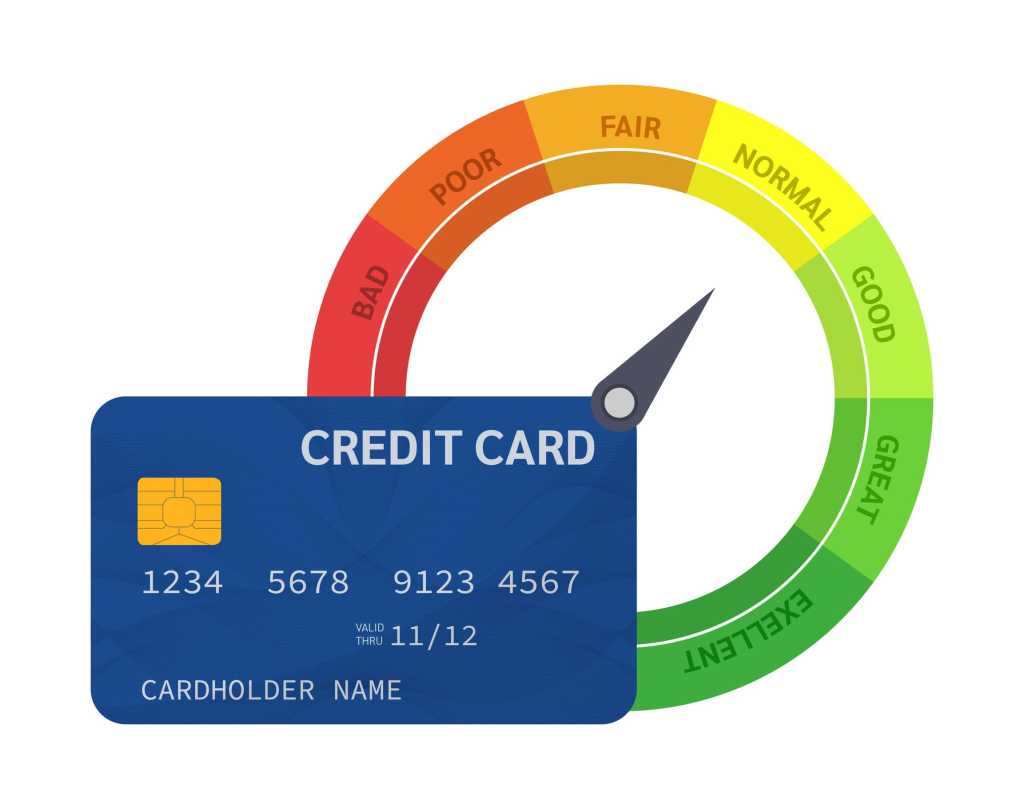
When you apply for a credit card, the bank wants to know one thing: can you be trusted to pay on time? In Malaysia, the clearest way to answer that is through your CCRIS record, managed by Bank Negara Malaysia.
Think of CCRIS as your financial report card. It shows the loans you have, how reliably you have paid them back, and any recent applications for credit. A clean record with consistent, on-time payments is one of the strongest signals you can give a bank that you are a dependable borrower.
You can check your own CCRIS record for free through eCCRIS or at AKPK kiosks. Doing this before you apply means you will know exactly what the bank will see.
If you have no CCRIS record at all you may find banks do not approve your first ever credit application. You may want to consider applying for a secured credit card instead.
Increasing Your Credit Limit
Your credit limit is the maximum amount you can spend on your card, and the bank decides how much that is based on your income, debts, and repayment history. A higher limit can be useful, but you will need to show that you can handle it responsibly.
The best way to do that is to keep your income stable, your debt levels low, and your repayment record spotless. Banks want to see that you borrow within your means and pay back what you owe without trouble. Over time, that kind of track record makes it easier to qualify for an increase.
Mistakes That Cause Rejections
Some applications are turned down because of things you cannot change on the spot, like your income level or lack of credit history. Others fail for much simpler and avoidable reasons, and those are the ones worth fixing before you apply.
Poorly scanned or blurry images of your NRIC are a common culprit. If the bank cannot read your details clearly, they may reject the application outright. The same goes for dark or incomplete scans of photocopies. Another avoidable mistake is inflating your income by including allowances, benefits, or commissions as part of your base salary. Banks will check this against your payslips or statements, and if the numbers do not match, it can work against you.
By making sure your documents are clear, complete, and accurate, you give the bank no reason to slow things down or say no for purely technical reasons.
Applying to Multiple Banks at Once
Applying for one or two credit cards is fine. But if you send many applications to different banks within a short time, your CCRIS record will show multiple credit checks. Banks may see this as a sign you are risky or desperate for credit, which can hurt your chances of approval. It is better to apply for one card, wait for the result, and only try again after a few months if needed.
Starting Your Credit Card Journey
If this is your first credit card, it is usually best to begin with an entry-level option. These cards have lower income requirements and are easier to qualify for, giving you a chance to build a positive repayment history. Over time, that record can help you move on to cards with more perks and higher limits.
If you do not yet qualify for a standard card, a secured card is another way to get started. You place a deposit with the bank, which acts as collateral, and then use the card like any other. With consistent, on-time payments, you can build the trust needed to upgrade later.
Starting your credit card journey is not just about getting approved, it is about setting yourself up for long-term financial success. With the right card, a solid repayment habit, and a bit of patience, you can build a strong credit profile that opens the door to bigger opportunities in the future. The first step is simple, apply smart, borrow wisely, and let your good habits do the rest.
Want smarter financial tips straight to your phone? Join our WhatsApp Channel.
Christina writes about personal finance with an eye for making the complicated feel straightforward. She is drawn to the everyday money decisions people face and genuinely enjoys finding the clearest way to explain them. Between articles, she is probably napping, on a hiking trail, or terrorising her sister’s cats.
Christina writes about personal finance with an eye for making the complicated feel straightforward. She is drawn to the everyday money decisions people face and genuinely enjoys finding the clearest way to explain them. Between articles, she is probably napping, on a hiking trail, or terrorising her sister's cats.
Between October 2025 and January 2026, Islamic banks in Malaysia transitioned Islamic credit cards from Ujrah to Tawarruq contracts. This guide explains how Tawarruq works, why the industry made the switch, and what cardholders need to know now that all conversions are complete.








Comments (0)