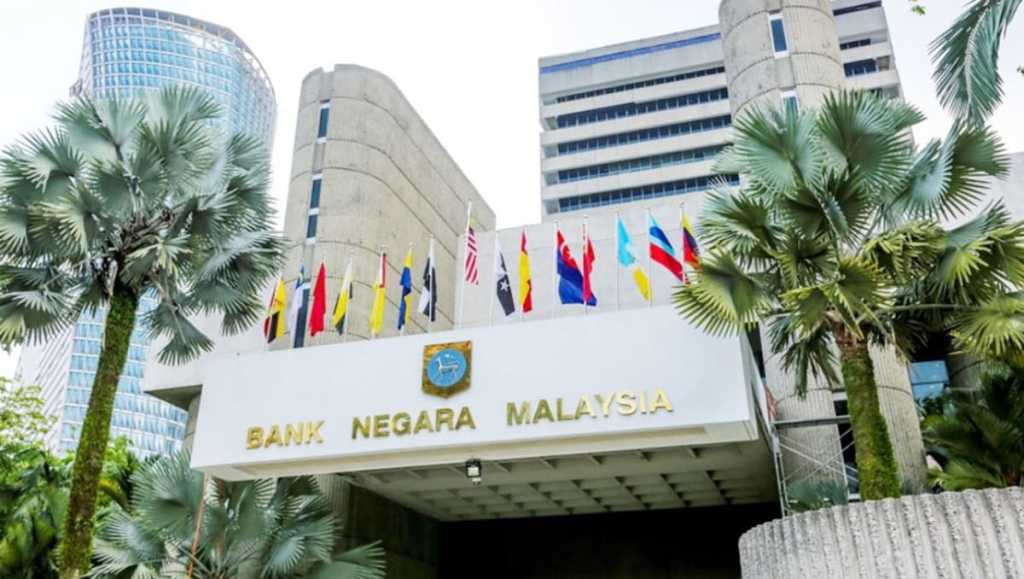
Bank Negara Malaysia (BNM) has revised its 2025 GDP growth forecast to between 4.0% and 4.8%, from the earlier estimate of 4.5%–5.5% announced in March. The revision reflects rising global uncertainties, including trade tensions, evolving tariff policies, and weaker global demand.
Despite these external challenges, BNM maintains that Malaysia’s economic fundamentals remain strong, supported by resilient domestic demand, stable labour market conditions, and sustained export activity, particularly in the electrical and electronics (E&E) sector.
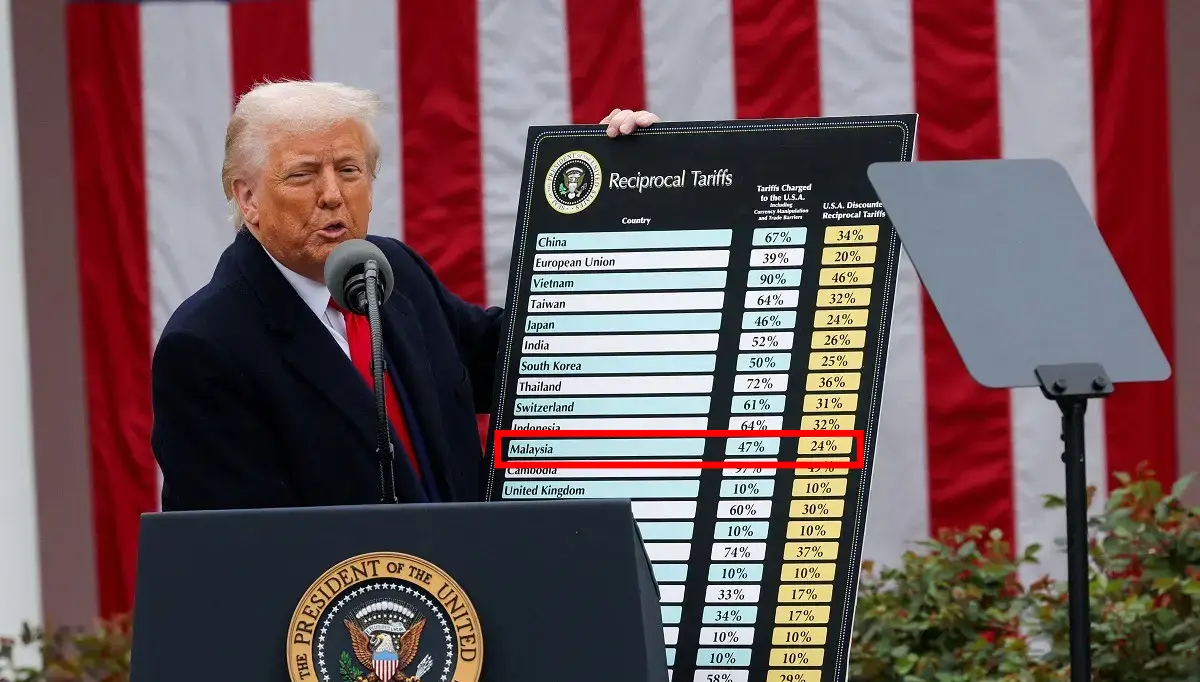
Since BNM released its Economic and Monetary Review in March 2025, the global landscape has shifted significantly, with rising tariff risks and ongoing geopolitical tensions. Despite these external headwinds, Malaysia is entering this period from a position of strength.
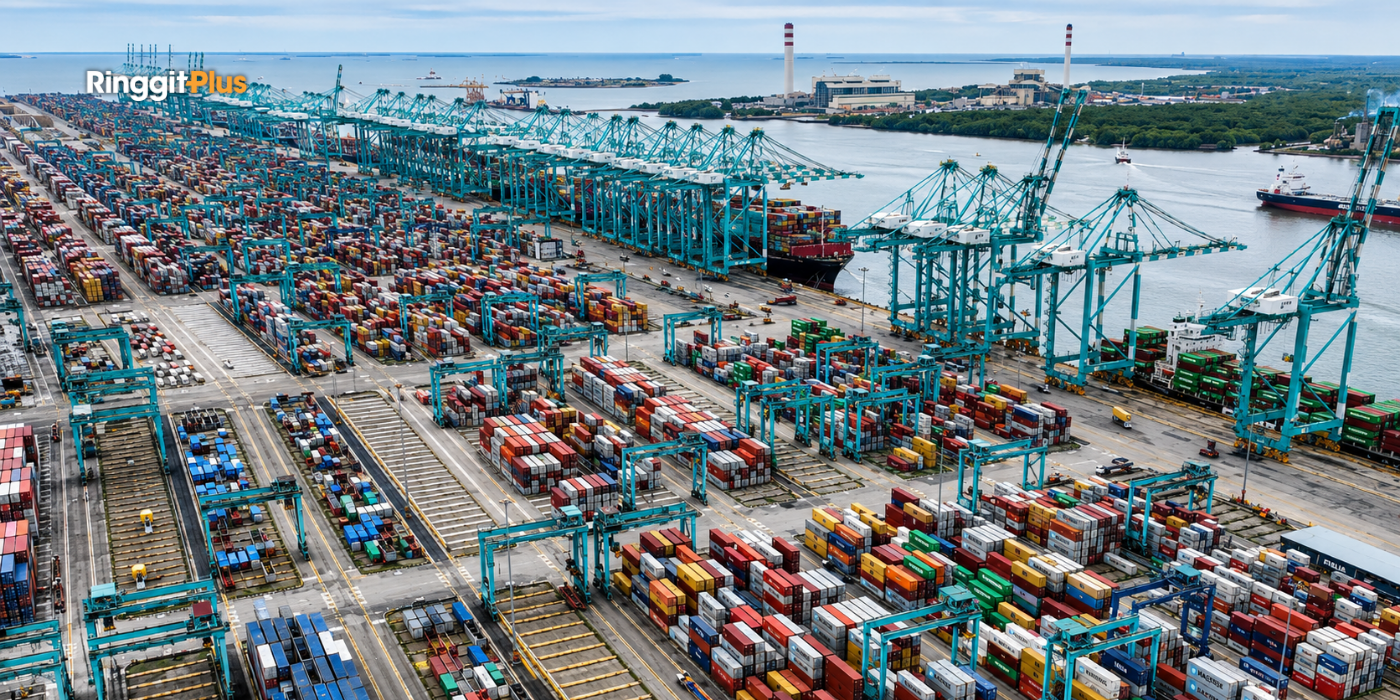
The central bank has revised its forecasts to reflect multiple global trade scenarios, from continued tariff escalations to more favourable negotiation outcomes. A key advantage is Malaysia’s diversified export base, with around 85% of its exports directed to markets outside the United States and no single country accounting for more than 15% of total exports.
BNM Governor Datuk Seri Abdul Rasheed Ghaffour noted in a press conference that the country’s export structure, spanning E&E goods, non-E&E manufacturing, and commodities, helps to mitigate risks from global trade disruptions.
Domestic Demand Remains the Key Growth Driver
More than 90% of Malaysia’s economic growth is driven by domestic demand. Consumption continues to be supported by strong labour market conditions, with the unemployment rate at 3%, lower than pre-pandemic levels. Wages are also on an upward trend, reinforcing household spending power.
Abdul Rasheed said income growth and job security remain critical in sustaining consumption, even as the global trade environment becomes more uncertain. The government’s ongoing policy support, including recent cost-of-living relief measures, further strengthens domestic demand.
Support from Policy Measures and Public Investments
On 23 July, Prime Minister Datuk Seri Anwar Ibrahim announced a relief package that includes a one-off RM100 Sumbangan Asas Rahmah (SARA) cash aid, a reduction in RON95 fuel prices, toll hike postponements, and expanded allocations for the Rahmah Madani Sales programme. These measures are expected to ease household pressures and contribute to short-term consumption.
(Image:Sadiq Asyraf/ PMO)
Investment activity also remains strong. In 2024, Malaysia recorded RM378 billion in approved investments, with over half originating from domestic sources. These investments are closely aligned with national development plans and are expected to sustain momentum through 2025 and beyond.
Exports Still Contributing to Growth, Led by E&E
Although global growth is expected to moderate in the second half of 2025, Malaysia’s export performance remains a key support for overall growth. Demand for E&E products, especially those linked to artificial intelligence technologies, continues to be strong.
Frontloading of exports in the first half of 2025 helped strengthen overall trade performance, although some moderation was observed in June. Inbound tourism is also expected to contribute positively in the second half of the year, supported by improved flight connectivity, visa facilitation, and promotions tied to Visit Malaysia 2026.
Between January and May 2025, international tourist arrivals reached 16.9 million, representing a 20% increase compared to the same period in 2024.
Moderate Inflation Outlook Maintained
Headline inflation is projected to remain between 1.5% and 2.3% in 2025. The forecast reflects a more moderate demand and cost environment, with limited inflationary pressure from global commodity prices. According to BNM, domestic policy measures are not expected to cause significant price distortions under current conditions.
Malaysia Positioned to Navigate Global Challenges
Despite global trade tensions and tariff-related risks, Malaysia’s diversified economy, stable domestic conditions, and proactive policy environment continue to support growth. BNM maintains that structural reforms implemented in recent years have strengthened the country’s resilience, allowing it to weather external shocks while continuing to pursue long-term economic competitiveness.
Abdul Rasheed emphasised that this resilience provides the foundation for further reforms aimed at building a more competitive and inclusive Malaysian economy in the years ahead.
Samuel writes about personal finance and financial news, focusing on how banking updates, policies, and promotions affect everyday money decisions. He enjoys making complicated financial topics easier to follow. Outside of writing, he spends his time watching TV shows and occasionally convincing himself he will only watch one episode.
Samuel writes about personal finance and financial news, focusing on how banking updates, policies, and promotions affect everyday money decisions. He enjoys making complicated financial topics easier to follow. Outside of writing, he spends his time watching TV shows and occasionally convincing himself he will only watch one episode.







Comments (0)