Malaysia will launch a RM1 billion financial assistance package to support small and medium-sized enterprises (SMEs) affected by newly imposed United States tariffs, Prime Minister Datuk Seri Anwar Ibrahim announced today.
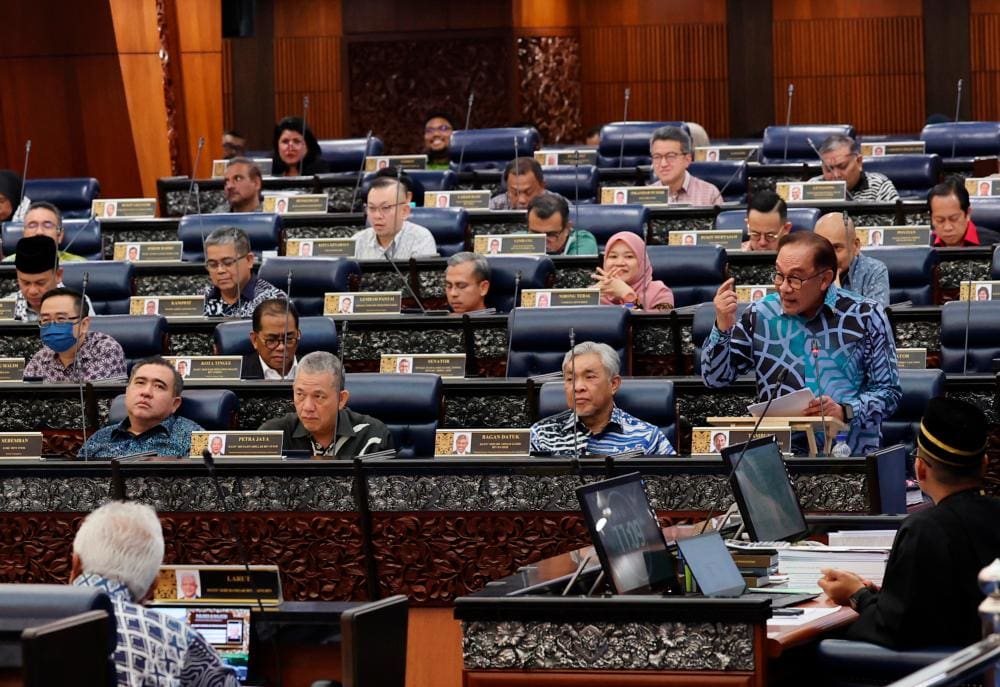
During a special parliamentary sitting focused on the US tariffs, Anwar said that additional measures would include RM500 million in soft financing to be channelled through financial development institutions. He emphasised that this injection of funds is intended to help SMEs manage the economic impact of the tariffs and that the implementation will be closely monitored, particularly in terms of SME participation and access.
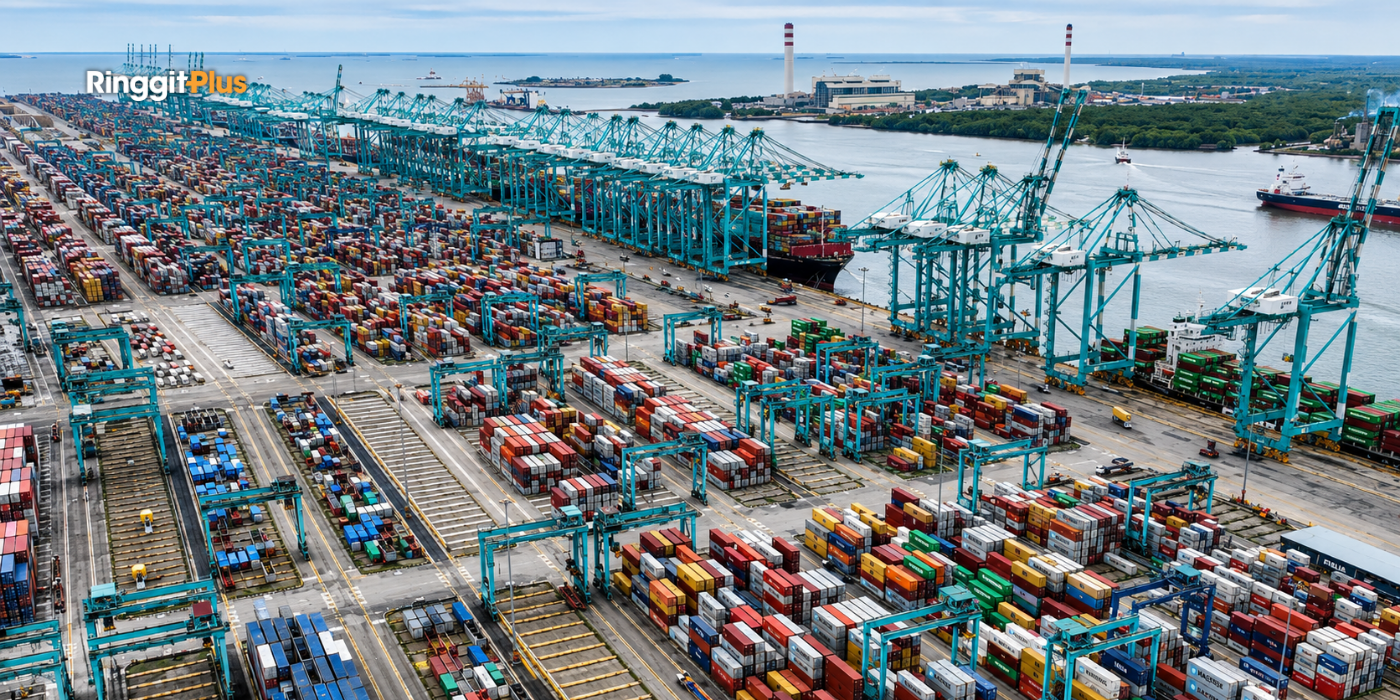
The Prime Minister explained that this mitigation effort is essential, as the United States remains one of Malaysia’s largest trading partners, accounting for 11% of the country’s RM325 billion in trade recorded last year. Malaysia’s trade with the US spans key sectors including energy, chemicals, food, logistics, and high technology.
He also highlighted that Malaysian investments in US bonds and capital markets currently stand at RM182.7 billion, or approximately US$43.5 billion, underscoring the depth of economic ties between the two nations.
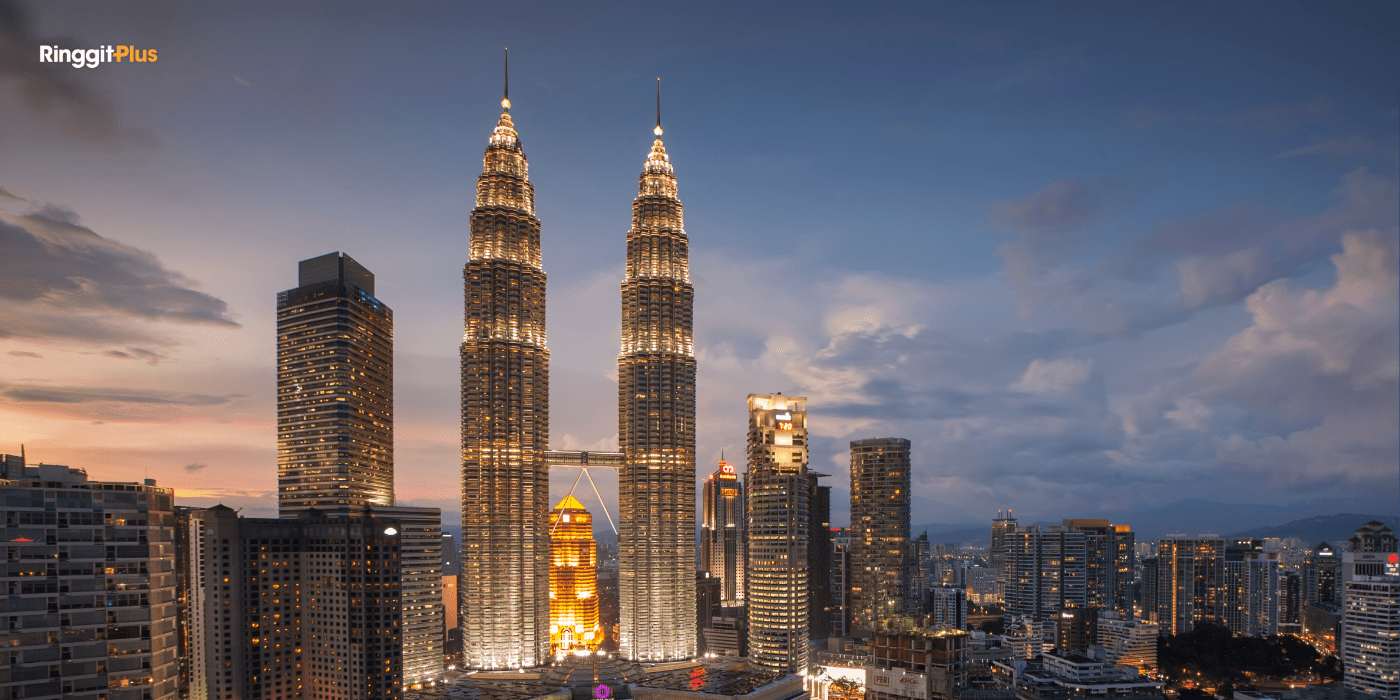
(Image: Malay Mail/Shafwan Zaidon)
In response to the evolving trade environment, Anwar said Malaysia is accelerating efforts to diversify its export markets by deepening engagement with regions such as Europe, the Middle East, Central Asia, and South America, while also reinforcing integration within ASEAN. To support these efforts, the Malaysia External Trade Development Corporation (Matrade) will receive an additional RM50 million in funding.
The government is also expediting strategic economic projects, including the Johor–Singapore Special Economic Zone and other initiatives, to bolster economic resilience and regional cooperation.
Anwar added that the National Geoeconomics Coordination Centre will continue to monitor key economic indicators, such as manufacturing orders, export volumes, retail performance, employment trends, and loan growth. This real-time assessment will enable the government to adopt policy measures that are data driven, targeted, and timely.
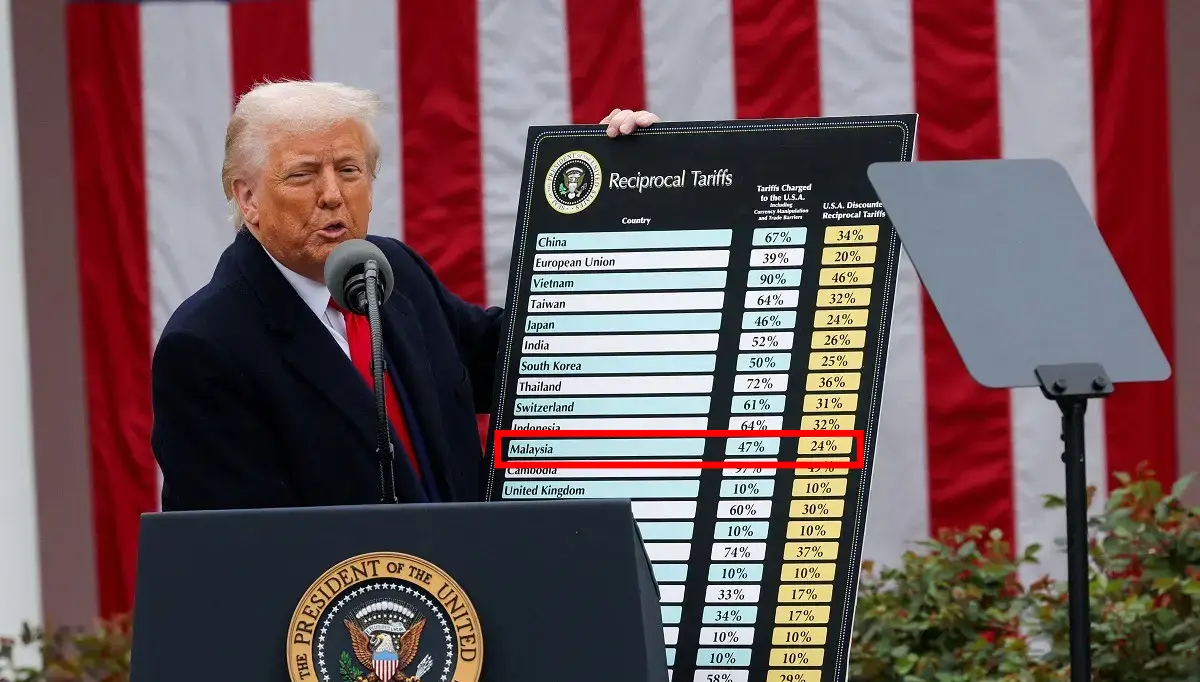
The measures come in the wake of the Trump administration’s decision in April 2025 to implement a 24% “reciprocal” tariff on Malaysian imports to the United States. This was introduced as part of the broader “Liberation Day” trade policy, which also imposed a universal 10% tariff on most imports from other countries. Although the reciprocal tariff is currently on a 90-day pause, the universal rate has taken effect.
Samuel writes about personal finance and financial news, focusing on how banking updates, policies, and promotions affect everyday money decisions. He enjoys making complicated financial topics easier to follow. Outside of writing, he spends his time watching TV shows and occasionally convincing himself he will only watch one episode.
Samuel writes about personal finance and financial news, focusing on how banking updates, policies, and promotions affect everyday money decisions. He enjoys making complicated financial topics easier to follow. Outside of writing, he spends his time watching TV shows and occasionally convincing himself he will only watch one episode.






Comments (0)