Alex Cheong Pui Yin
Previously covered recruitment-related stories and had a short stint as a copywriter for the property industry. She subsequently developed an interest in investment and robo-advisors.

26th December 2023 - 12 min read

With 2024 just around the corner, it can feel like the year has gone past in just the blink of an eye, but many things may have changed for you since 2022 – perhaps you’ve gotten a new job, made some investments, got married, or bought a new property! Whatever milestones you’ve hit this year, it is always a good time to review your financial status and make the necessary adjustments to be better prepared for the following year.
You may think that a year-end financial review as a necessity only for high-net-worth individuals (“I don’t have millions in my bank accounts, what’s there to review?”), but that’s not true. If anything, this annual exercise is a great exercise for everyone, allowing you to assess your existing financial standing, giving you meaningful data on how to move ahead in 2024 with better money management strategies and habits. After all, data-driven decision-making cuts out emotion from the process which should result in better outcomes!
While there are many financial aspects to look into during your annual financial checkup (which is why financial planners normally play a big role here), but if you’re keen to start by yourself, here are five key areas that you should get to before ending 2023 with a bang!

To kick things off, start by reviewing whether there are any remaining tax reliefs that you can still take advantage of to reduce your taxable income for year of assessment 2023 (YA 2023). It’s not too late to tap into these remaining tax incentives before 2023 ends – but be sure to only spend on expenses that are relevant to you and are within your financial limits:
While you’re at this, you may also want to take time to sort out all the documents that you need to file your taxes in 2024 (for YA 2023). From receipts for your donations to charities to medical costs, to book purchases – organise them accordingly so that you don’t have to scramble for things come March 2024!
Those with side hustles or a freelance gig, in particular, will appreciate the early preparation, especially since you’ll need to collect your various receipts to prove your income source, as well as invoices for tax-deductible business expenses.

After weathering yet another a turbulent year for investments in 2023, investors should again take emotion out of the equation and adopt a data-driven approach for their investment returns this year. After all, a turbulent year (or two) should not affect your investment strategy if you’re a long-term investor.
For many investors, two common areas to look into as part of your annual review for investments are gains or losses, and any changes to your investments’ asset allocation that may require rebalancing.
Reviewing your net returns for the year is not as straightforward as a “did it meet my target returns this year” blanket statement. More sophisticated investors may have investments across various stocks, ETFs, and other asset classes – just viewing the net returns as a whole may not give you enough data to determine your next move in 2024. It’s worth taking the time to review which investments did well and which did better than expected (and the opposite ends of these two) – and more importantly, why they performed they way they did in 2023. Some macro-economic research will be important here to provide context as well.
Secondly, depending on how they performed this year, your investment asset allocation may have changed out of the range that fits your risk profile. For example, if you had 5% of your portfolio invested in Bitcoin at the start of the year, the digital asset’s year-to-date returns of 160% (!) would have increased your portfolio’s allocation to cryptocurrencies by a larger margin and thus changed its risk exposure. Hence, it may be time to take some profits off your Bitcoin gains and reallocate them to other areas based on your risk profile, asset allocation, and overall financial goals.
These do sound a little intimidating, but remember that these are more suited to the advanced investors who do a lot of investments on their own. Those who invest in unit trust funds and robo-advisors, on the other hand, will likely not need to do any rebalancing on their own as the fund managers (for unit trust funds) and robo-advisor algorithms are likely to do so as part of their mandate and scope of responsibility.
Nevertheless, it is always good to be reminded of as you do your review process and refresh your portfolio for 2024, take care to also avoid committing key common investment mistakes, such as overtrading or becoming biased towards a particular stock or asset. If you haven’t done so already, do look into how into time-tested strategies like dollar-cost averaging (DCA) helps investors navigate short-term headwinds and be better investors in the long run.
And of course, before you start investing to achieve financial goals, make sure to first build up your emergency savings. Although the size of this fund will vary depending on various factors – such as your lifestyle, monthly obligations, and dependents – the rule of thumb is to ensure that it is enough to last you at least three to six months. This is important as it allows you to stay invested in the event of financial emergencies or unexpected expenses.

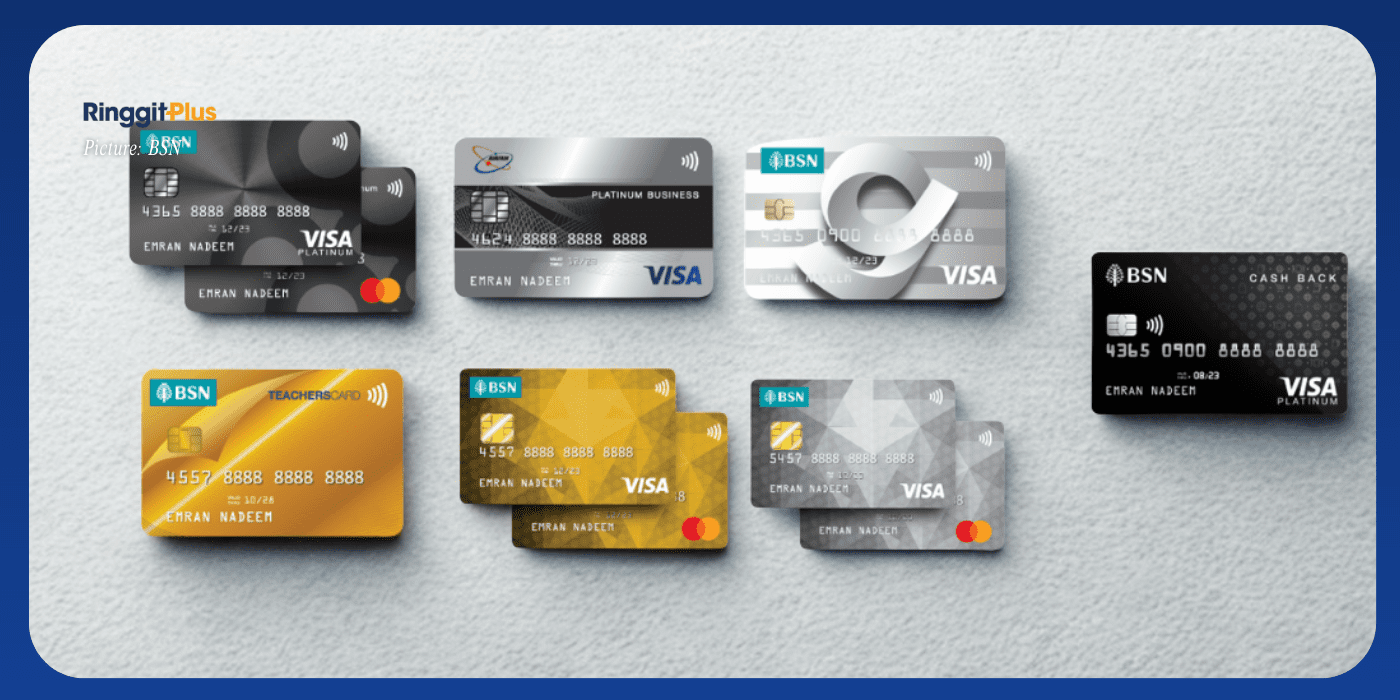
While it’s important to review your investments, don’t forget about your credit cards too! For those of you who are regular credit card users, you’ll know that they can help you save a substantial amount every year if you maximise their benefits (responsibly, of course).
Start this review by ensuring that you know the benefits of your credit cards: do they offer you cashback or rewards points, and are these cards rewarding you for your usual expenses or necessary spendings? Remember, there is no “best credit card”, but there is the best credit card for your specific spending habits and usage – so do take time to do your research.

On that note, banks regularly revise credit card benefits, so do check and confirm that your cards are still offering the same benefits that you got them for (or if the revised benefits still offer tangible returns).
Many prudent credit card users tend to have a set of cards that allows them to earn returns for every aspect of their spending, from dining, groceries, petrol, e-wallet, overseas, and more. If you’ve been a one-card person in the past, given the various revisions this year, 2024 may be the year you consider being a multi-card user for optimising your spending.
Last – but certainly not the least – is to be better informed on new credit card launches or revisions that meet your spending habits. One easy way is to regularly check our blog, where we do our best to cover the latest credit card news and updates.

Simply put, your credit score is the report card that tells you (and more importantly, the financial institutions) a general idea of how “good” you are as a borrower. A credit report not only has a credit score, but it also contains various financial information about your credit health, such as your current outstanding balances on all your existing credit cards and loans, credit card and loan application history, 12-month repayment history, and other aspects like bankruptcy status and ownership of companies.
It’s crucial to check your credit score regularly because financial institutions use it an indicator or tool to help them decide if they should approve any credit facilities that you apply for. A high credit score – which indicates a good financial health and repayment track record – means that they may be more comfortable approving your application. A low credit score, meanwhile, means the opposite.
That’s not all. With a good credit score, banks may be more willing to provide you with improved terms, like higher credit limit for your credit cards, or lower interest rates on loans. In the long run, this helps you save money on interest charges – all thanks to your credit score!

Therefore, it would be wise to check your credit score at least once a year (like the end of the year!) to know where you stand, and decide what steps you need to take to improve your score. You can check your credit score easily by purchasing a credit report from credit reporting agencies like Experian and CTOS. These reports also offer tips on how to improve your credit score based on the information compiled.
Alternatively, you can also log into eCCRIS, which gives you a snapshot of your current credit facilities (like credit cards, personal loans, car loans, and mortgages) with financial institutions, your outstanding balances for each facility, and 12-month repayment history. The data from eCCRIS is also part of Experian and CTOS credit reports, so what you see here shapes a big part of your credit report (and ultimately affects your credit score).
Of course, if you don’t really know what all of these mean, check out our article on how to understand what’s in your credit report, and then read up on the common mistakes people do that affect their credit scores.

An annual review of your insurance or takaful policies is especially applicable if you have undergone major life events over the year, like moving into your own home or starting a family. This is because such changes means that you may now have more financial obligations or different priorities, and it is important that your coverage is enough to accommodate them.
For insurance or takaful, two key policies that you should not neglect to review are your life and medical insurance/takaful. With regard to life insurance/takaful, the general recommended coverage amount is anywhere between 10 to 15 times your gross annual income. So if you feel that your existing coverage is insufficient, you may want to look boost your current policy or look into options like term-life insurance. With more insurtech companies now making their services available to Malaysians, you should have little trouble finding a suitable product to meet your needs at the price you’re comfortable with.
Your medical insurance/takaful, meanwhile, may see an increase in premium or reduced coverage due to the rising medical inflation rate; a study by the insurance and takaful industry has revealed that medical costs in Malaysia climbed at an average of 8% to 9% annually between 2013 and 2018. If necessary, you can reach out to your agent to see if you may make certain adjustments to your policy to accommodate your budget and needs.

Be mindful of one thing, though: the annual insurance/takaful review is not all about increasing your coverage. Consider also removing riders and coverage that are not necessary, or adjusting deductibles so that you can save a little on your insurance expenses. That said, do consider – in light of recent events in the country – special coverages like flood coverage for your car when you renew your motor insurance/takaful next year.
Aside from looking at the coverage amount, remember to also update your policies to list the right beneficiaries. This ensures that the right individuals will receive the intended financial protection without complications should anything untoward happens to you.
The same goes for your will as well, if you have one – it is important to keep your list of assets and beneficiaries up to date, in addition to appointing a trusted executor. If you’ve acquired new assets, make sure to also include them in your will to avoid any future complications. Engaging a financial planner to help you out may also be a good idea if you have a complex family situation or own various assets.
***
These five items are, of course, only a few of multiple matters that you can look into as part of your personal annual review; some of you may even want to take things one step further and create detailed personal financial inventories or family plans to keep track of all your cash flow. For those who are unsure as to where to start, however, this list is a good way to kick things off.
Upcoming next is our tips on what you can do after completing your year-end financial review, so keep an eye out for that!
Previously covered recruitment-related stories and had a short stint as a copywriter for the property industry. She subsequently developed an interest in investment and robo-advisors.





Comments (1)
Thanks for the article! Will use this financial checklist.