Alex Cheong Pui Yin
Previously covered recruitment-related stories and had a short stint as a copywriter for the property industry. She subsequently developed an interest in investment and robo-advisors.

31st May 2024 - 3 min read

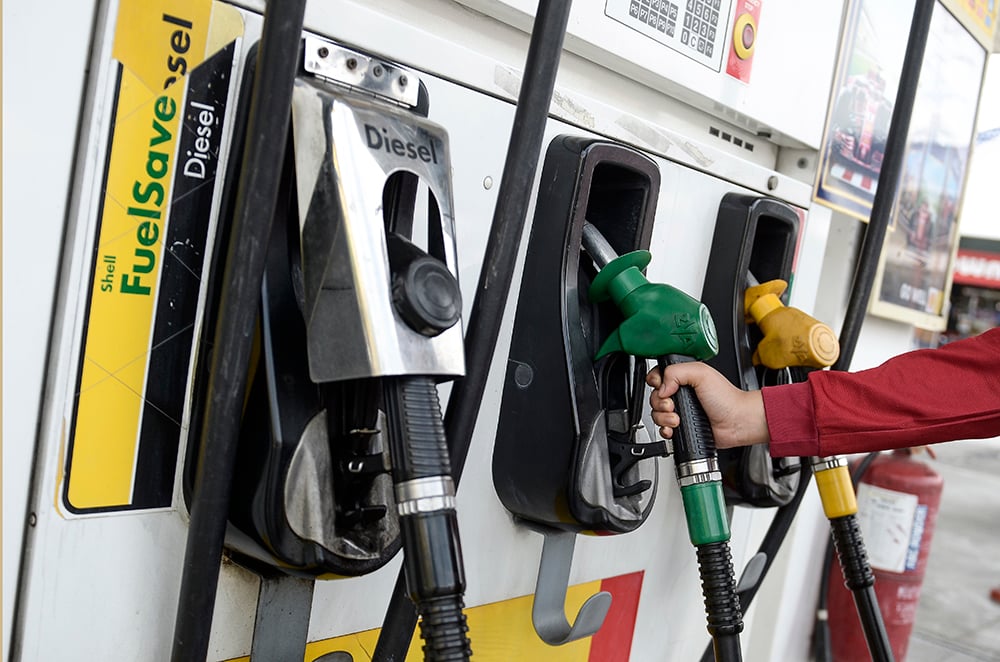
Finance Minister II Datuk Seri Amir Hamzah Azizan has stated that the government will float the diesel price as it implements the recently introduced targeted diesel subsidy programme. This is in a bid to reduce fuel subsidy leakages, which has become increasingly prevalent.
To highlight the severity of the problem, the minister shared that diesel subsidies had surged 10-fold from RM1.4 billion in 2019 to RM14.3 billion in 2023. He further highlighted that the consumption of subsidised diesel saw an increase of 70% during the same period, from 6.1 billion litres in 2019 to 10.8 billion litres last year.
“From the perspectives of economic development and the rise in diesel vehicles, I cannot account for the 70% increase. We believe this surge was due to significant leakages,” Datuk Seri Amir Hamzah said, adding that some parties are likely taking advantage of the cheaper retail price of diesel in Malaysia in comparison to the market price. To note, diesel is sold at RM2.15 per litre in Malaysia, whereas the market price stands at approximately RM3.50 per litre.
Datuk Seri Amir Hamzah also stressed that fuel smuggling from Malaysia is an issue, attributed to the fuel price difference for diesel between Malaysia and its neighbouring countries. Thailand and Indonesia, for instance, price their diesel at RM4.12 and RM4.73 per litre, respectively, whereas Singapore is selling it at RM8.87.
“To reduce leakages, the most logical solution is to float the price. When the government floats the price of diesel, the gap between retail and commercial prices is eliminated,” the minister explained, adding that some creative measures may also be necessary to reduce border leakages.
As an example, Malaysia may adopt a regulation similar to Singapore’s three-quarter tank rule, which states that Singapore-registered vehicles must at least be three-quarter tank full when leaving Singapore via the land checkpoint. The rule – which was established back in 1991 for cars running on petrol, and then subsequently expanded to include vehicles running on compressed natural gas and diesel-powered vehicles – was introduced to prevent Singaporean drivers from evading fuel duties.

That said, Datuk Seri Amir Hamzah has yet to share the implementation timeline for the diesel subsidy programme, only noting that it will employ a “whole-of-government approach” that involves close cooperation between relevant ministries and agencies.
Prime Minister Datuk Seri Anwar Ibrahim – who is also Finance Minister I – announced last week that the Cabinet has agreed to proceed with the implementation of the targeted fuel subsidy programme, starting with diesel for users in Peninsular Malaysia. Following that, the Ministry of Finance (MOF) began accepting applications for the Madani Subsidy Assistance Programme (BUDI MADANI), which will facilitate the implementation of the targeted diesel subsidy initiative.
(Source: The Edge Malaysia)
Previously covered recruitment-related stories and had a short stint as a copywriter for the property industry. She subsequently developed an interest in investment and robo-advisors.




Comments (0)