Alex Cheong Pui Yin
Previously covered recruitment-related stories and had a short stint as a copywriter for the property industry. She subsequently developed an interest in investment and robo-advisors.

21st June 2022 - 2 min read
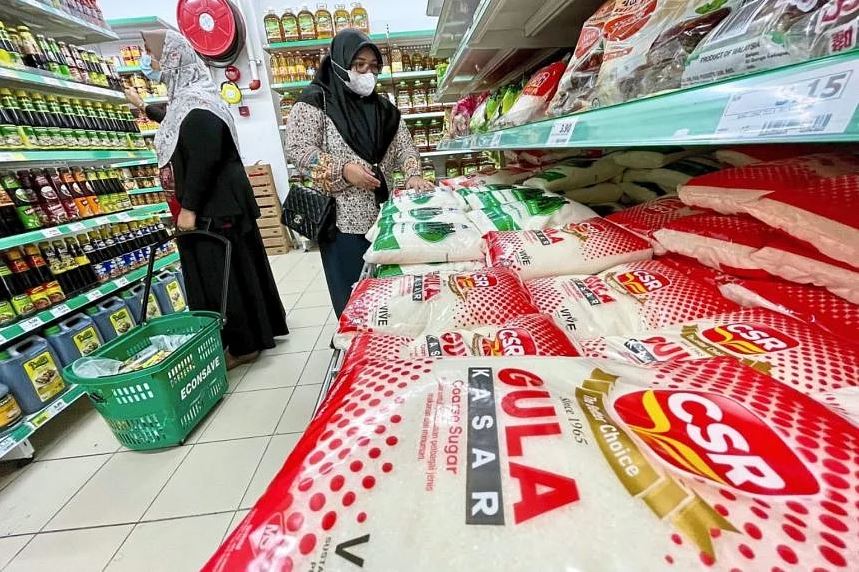
The secretary-general of the Domestic Trade and Consumer Affairs Ministry (KPDNHEP), Datuk Azman Mohd Yusof has said that a study is being conducted to help the government decide if it should raise the ceiling price of sugar. A report is expected to be presented to the Cabinet after consulting various stakeholders within the year.
For context, the domestic wholesale price of refined sugar is currently capped at RM2.69 per kg, but industry players – including MSM Malaysia Holdings Bhd – have requested for a review of the ceiling price. This is especially in view of the rising costs of raw materials and freight. Meanwhile, group chief executive officer of MSM Malaysia, Syed Feizal Syed Mohammad also previously said that sugar had only seen a net increase of RM0.01 per kg since 2011.
The president of Consumers’ Association of Penang (CAP), Mohideen Abdul Kader also chimed in to say that the proposed sugar price increase must be reasonable, so that any instances of profiteering can be avoided. “Any suggestion for sugar subsidy must not be entertained,” he further said, adding that the government should also consider increasing the sugar tax on sugar-sweetened beverages (SSB) that was introduced in 2019.
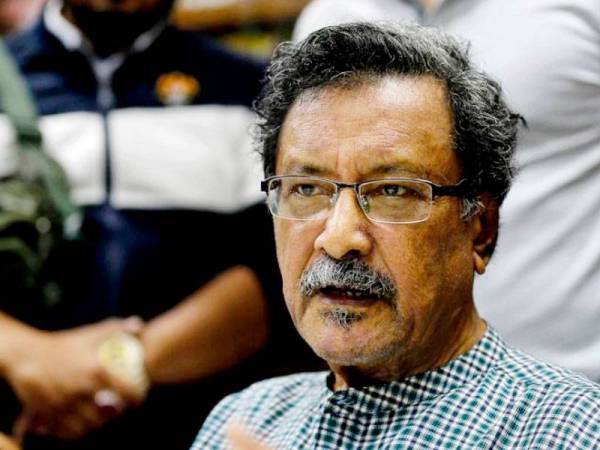
Mohideen also commented that these moves, if implemented, will encourage the public to cut their sugar intake – and therefore lead to a healthier lifestyle among Malaysians. He also quoted data from 2019, which indicated that there were 3.9 million diabetic Malaysians. Separately, statistics from the Food and Agriculture Organisation (FAO) of the United Nations noted that sugar consumption per capita reached 42.4kg in 2019 in Malaysia.
Similarly, economists also suggested that the government should expand the sugar tax to cover more items to control consumption for health purposes and to grow tax revenue. That said, economics professor at Sunway University, Dr Yeah Kim Leng cautioned that there must be balance between raising sugar prices to discourage excessive consumption among the people, and controlling inflation as sugar is still an essential ingredient in many food items.
“Rather than subsidising sugar prices to reduce inflationary pressures, allowing the price to adjust according to the prevailing world prices is an appropriate policy decision. It is akin to a sugar tax aimed at discouraging high consumption,” said Dr Yeah.
Previously covered recruitment-related stories and had a short stint as a copywriter for the property industry. She subsequently developed an interest in investment and robo-advisors.





Comments (0)