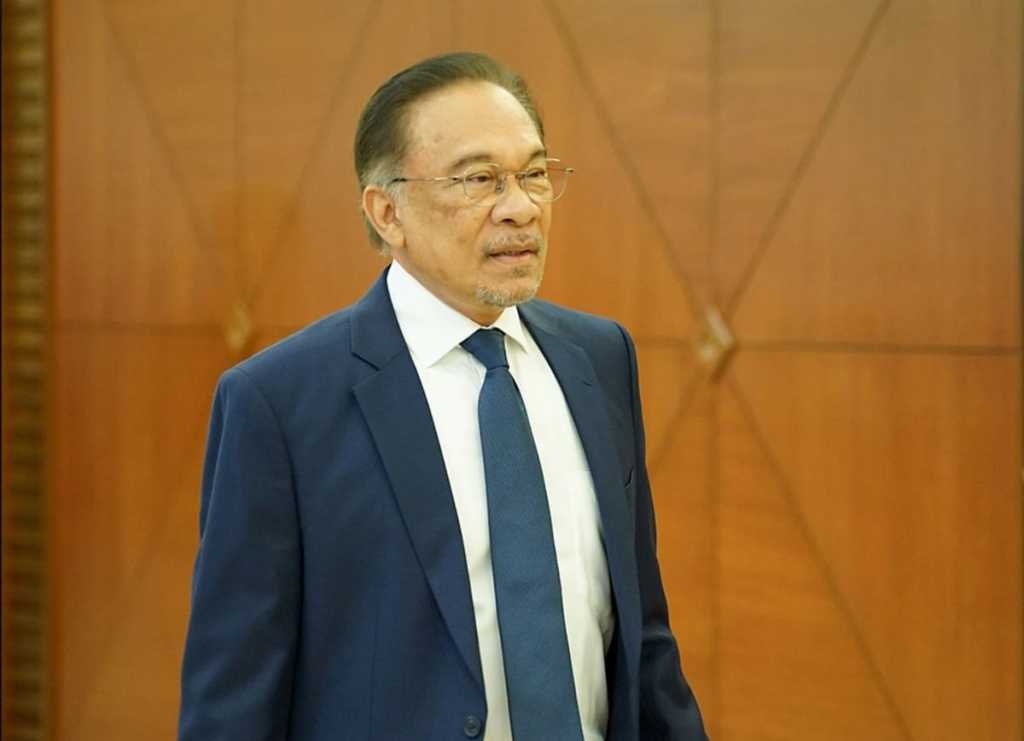
The reintroduction of the Goods and Services Tax (GST) is not yet appropriate, as many Malaysians still earn too little to shoulder its impact, despite the tax being recognised as an efficient and transparent system, Prime Minister Datuk Seri Anwar Ibrahim said.
Anwar, who is also Minister of Finance, explained that the administration has not ruled out the possibility of reinstating the GST in the future. However, he emphasised that the financial capacity of lower-income groups must be a key consideration, given the broad impact of the tax on daily life.
“We postponed [the GST] because the income of the people was still too low. My opinion at the time was that people with an income of RM2,000 were still affected although we gave some exemptions,” he said.
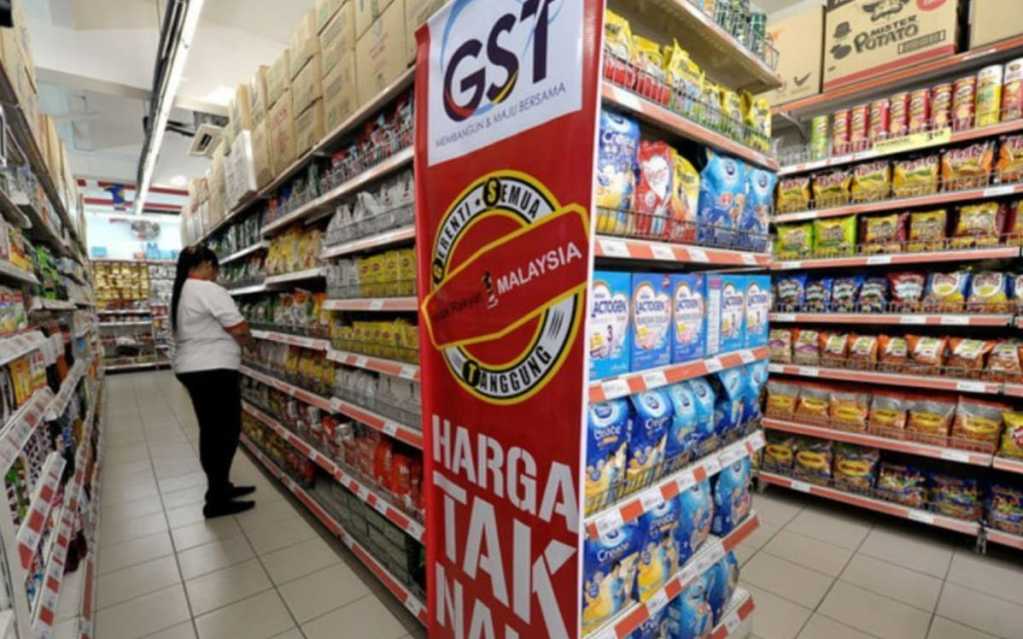
“Sugar and rice are not affected, but when people buy other goods or ride the bus, indirectly the GST [is imposed], meaning it is comprehensive,” Anwar noted during a monthly assembly at the Finance Ministry today.
(Image: The Malaysian Reserve)
He added that a more appropriate time to reconsider the GST would be when the average monthly income has reached at least RM4,000.
“Let the people’s income increase first, let’s say the minimum salary is RM4,000 [a month], maybe at that time we can [implement it]. Right now, there are people earning RM1,700 or RM2,000…maybe I was not wise in making this decision, but my intention is not to introduce taxes that will have a detrimental effect on the lower-class people. That’s all,” he said.
In light of this, the government has opted to strengthen the current Sales and Service Tax (SST) system instead, ensuring that it is more targeted. Revenue generated will be redirected to support vital sectors such as healthcare and education.
“So this is our reason, we are taking this tax to return it to the people. The allocation for the Ministry of Education from RM58 billion in 2024 has increased to RM64 billion this year. Similarly, for the Ministry of Health, from RM41 billion last year, we are adding RM4 billion a year, [making it] RM45 billion,” Anwar said, underlining the government’s current priority to reinforce essential services and maintain transparency in public spending.
He also stressed the importance of evaluating fiscal policies from a broader, long-term perspective rather than focusing solely on short-term implications.
At the same time, Anwar admitted that the government has not always communicated its policies effectively to the public. He urged fellow leaders to be more proactive in explaining the rationale behind key decisions to reduce misunderstanding and prevent misinformation.
Malaysia introduced the GST on 1 April 2015 as part of a fiscal reform initiative, replacing the SST with a 6% tax levied on most goods and services. However, it drew criticism from many, particularly among lower-income groups, for placing additional pressure on household finances. The tax was abolished on 1 September 2018 and replaced with the SST.
On 9 June, the government announced adjustments to the SST system, including a targeted review of rates and a broader scope for the service tax effective from 1 July. Essential items remain exempt, while non-essential goods will be subject to either a 5% or 10% tax, in a move aimed at strengthening national revenue without disproportionately affecting the most vulnerable.
Samuel writes about personal finance and financial news, focusing on how banking updates, policies, and promotions affect everyday money decisions. He enjoys making complicated financial topics easier to follow. Outside of writing, he spends his time watching TV shows and occasionally convincing himself he will only watch one episode.
Samuel writes about personal finance and financial news, focusing on how banking updates, policies, and promotions affect everyday money decisions. He enjoys making complicated financial topics easier to follow. Outside of writing, he spends his time watching TV shows and occasionally convincing himself he will only watch one episode.
We provide weekly updates on every Friday at 5pm on the prices of RON95, RON97 and Diesel in Malaysia and a chart that shows the movement of fuel prices across a 6-week period. Bookmark this page now!







Comments (0)