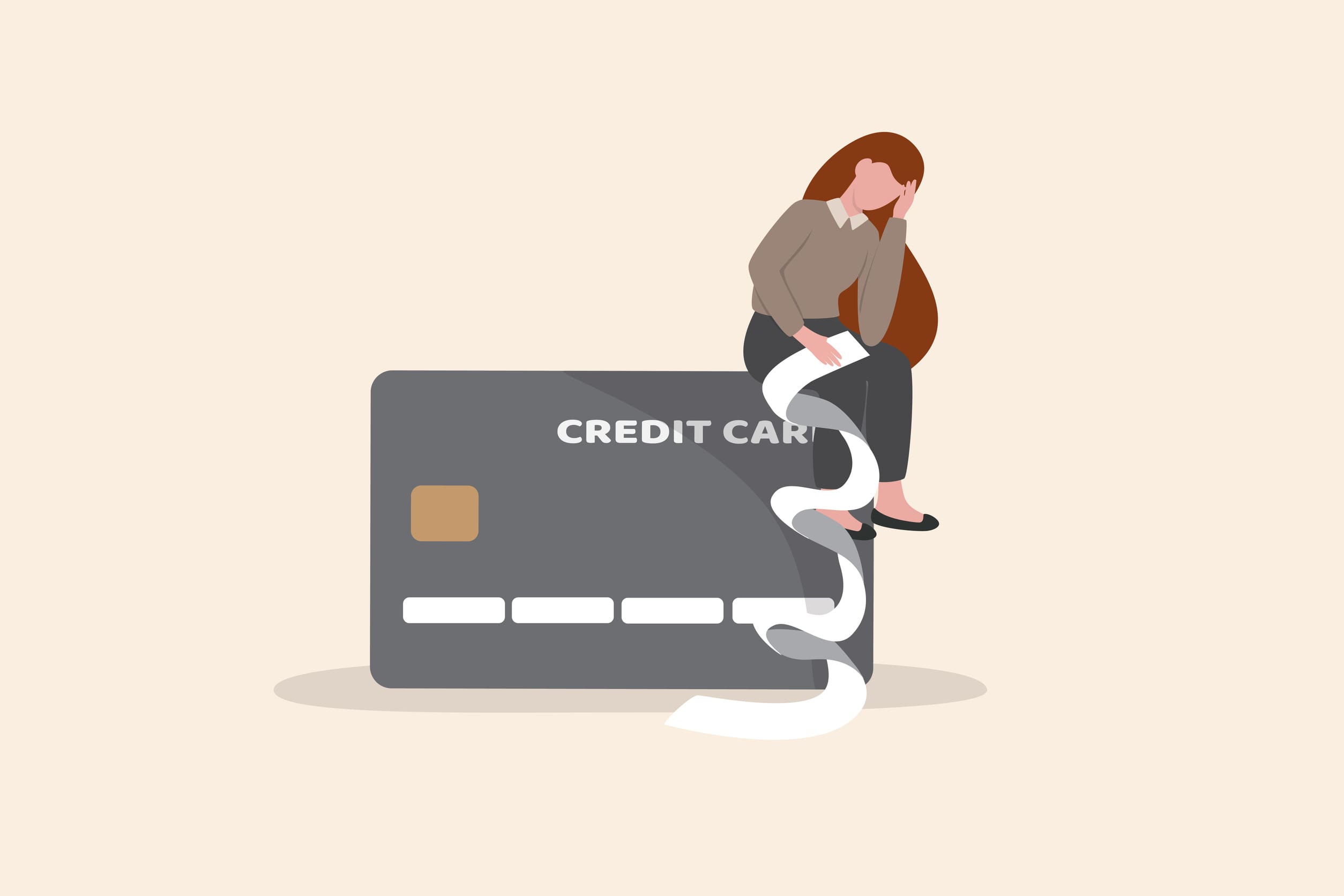
Credit card debt does not become a serious issue overnight, it can creep up on you. In Malaysia, there’s a very defined path that banks follow when payments are missed. It begins with fees and interest charges, and may end up in debt collection and legal action.
Knowing how this process works gives you a clearer picture of what to expect and how to respond. Hey, we all miss bill payments occasionally and banks know that. We’ll take you on a journey from a missed payment all the way to a bad debt. Hang on, it’s quite a ride!
The First 29 Days After Missing A Payment
When you miss a credit card payment, your bank will start charging fees right away, the fee is typically 1% of your outstanding balance, with a minimum charge of RM10 and maximum of RM100 per billing cycle.
Once you’re behind with your payments any promotional interest rates you’ve enjoyed will be cancelled, immediately. That includes benefits such as 0% balance transfers or special instalment plans.
From then on, any remaining balance under these programmes will be charged at the card’s standard interest rate. That might mean your interest rate increases to the maximum of 18% per annum, many Malaysian banks use a tiered interest system, where only consistent, on-time payments qualify for lower rates.
The key thing to note is that at this stage your missed payment won’t be reported to credit agencies, so your credit score will remain unaffected if you get your payments back inline with your credit card bills.
Days 30 To 59: Your Credit Record Changes
Once your credit card payment is more than 30 days overdue, your bank is required to report it to the Central Credit Reference Information System (CCRIS), managed by Bank Negara Malaysia. This data is then shared with credit reporting agencies, such as CTOS.
As soon as this happens, your credit score is at risk. What was previously a private issue between you and your bank now becomes part of your formal credit record.
During this period, you are likely to hear from your bank more often. Follow-up calls, reminders, and written notices may become more frequent, encouraging you to settle the outstanding amount.
A negative record stays on your CCRIS credit report for several years. It can affect future loan applications, your chances of getting better interest rates, and in some cases, even employment opportunities that involve financial trust or responsibility.
Days 60 To 89: Serious Delinquency Status
If your payment is still overdue after 60 days, banks are more likely to treat this as a sign of financial difficulty rather than a one-off delay.
Your credit card will usually be suspended at this stage, meaning you will no longer be able to use it for new purchases. A suspension helps prevent your debt from growing further.
Your credit score may take another hit. Credit scoring systems view a 60-day delay more seriously than a 30-day one, and the impact on your credit profile will reflect that.
If your interest rate has not already been raised, your bank may now apply the maximum interest rate of 18% per annum to your entire balance. This amount will continue to compound daily until the account is brought up to date.
Day 90 And Beyond: Default Classification
Reaching the 90-day mark typically signals a shift in how your account is managed. At this point, your bank will classify the account as a Non-Performing Loan (NPL). This means the bank no longer considers you likely to repay the debt through regular means.
Your credit card account will be permanently closed, and the focus will move from managing your account to recovering the money owed.
Your record in the CCRIS system will be updated to reflect this status, often under a category called “Special Attention Account.” This is a warning sign for any future lenders who may review your credit profile.
Your case may be passed on to the bank’s internal recovery team or handed over to an external debt collection agency.
Debt Collection Process And Your Rights
Once your account reaches 90 days overdue, debt collection efforts usually become more active. While your bank may have contacted you earlier, this stage tends to involve more formal recovery processes. Your overdue account may be passed on to a debt collection agency.
Bank Negara Malaysia has established guidelines that protect consumers from harassment and unfair debt collection practices. Under these rules, collectors cannot contact you more than three times a week, or outside the hours of 8:00 AM to 9:00 PM. They also must avoid threats, harsh language, or misleading claims about legal consequences.
Agencies are also not allowed to speak about your debt with your family, neighbours, or colleagues without your permission. If you are contacted, you have the right to request proof of the collector’s identity and authority. You may also ask for all further communication to be done in writing.
If any of these rules are violated, you can report the incident to Bank Negara Malaysia through the BNMLINK service. You should also notify your bank, as it is responsible for the conduct of the collection agents it appoints.
All of that said, the debt collection agency will pursue you to collect the outstanding balance that is owed.
Can Banks Sue You for Unpaid Credit Card Debt?
Legal action is usually the last option a bank will take, typically after several months of missed payments and where the debt is significant. Under Malaysian law, the bank has up to six years from the date of your first missed payment to start legal proceedings.
The process usually starts with a Letter of Demand from the bank’s appointed legal firm. Such a formal notice states the total amount owed and provides a final opportunity, typically seven to fourteen days, to settle the debt before court proceedings begin.
If the case goes to court, the venue depends on the amount you owe. Smaller debts are handled by the Magistrate’s Court, while larger sums may go to the Sessions or High Court.
If you do not respond to the lawsuit, the bank can obtain a court judgment by default. This gives the bank up to 12 years to enforce collection, which could include freezing your accounts, making deductions from your salary, or requiring you to appear in court to declare your financial situation.
For debts over RM100,000, the bank may consider bankruptcy proceedings. A bankruptcy order can severely limit your ability to travel, manage businesses, or obtain credit in the future.
Cannot Pay Your Credit Card? 3 Immediate Options
Talk to your bank: If you are unable to make payments, the first step is to contact your bank as soon as possible. Many Malaysian banks offer financial relief programmes for customers facing hardship. These may include longer repayment periods, temporary payment pauses, or converting your credit card debt into a lower-interest term loan.
Check CCRIS: It is also a good idea to check your credit report. You can get your CCRIS report for free via Bank Negara Malaysia’s eCCRIS portal. CTOS also offers a basic report at no charge, with more detailed options available for a fee.
Ask for help: Another option is to contact Agensi Kaunseling dan Pengurusan Kredit (AKPK). This government-backed agency provides free help to individuals struggling with serious debt. If you qualify for their Debt Management Programme, AKPK can work with your creditors to combine your debts into a single, manageable monthly payment. Once you are enrolled, collection calls and lawsuits will stop for the debts included in the plan. You may also benefit from reduced interest and waived late fees, depending on your agreement.
Credit Score Recovery Timeline After Default
Once you’ve paid off your outstanding balance check your CCRIS record and Credit Score again. Fixing a damaged credit score is not impossible, it does take time and discipline. How long it takes depends on how late your payments were and what steps you take afterward.
If your record only shows one missed payment, you may start seeing improvement within six to twelve months of consistent, on-time repayments. More serious delinquencies, such as defaults, usually take two to three years for meaningful improvement, and up to seven years for full recovery.
The most important thing is to maintain consistent, on-time payments going forward. Over time, this will help rebuild your credit history and show lenders that you are financially reliable again.
As your score improves and your payment record strengthens, you’ll be in a better position to explore new credit options. When you’re ready, take the time to compare different cards and choose one that fits your financial goals so it works for you, not against you.
Want smarter financial tips straight to your phone? Join our WhatsApp Channel.
Iman writes about personal finance with curiosity. She is interested in the stories behind money, the hesitation around big decisions, and the small habits that shape financial futures. Off the clock, she is either dissecting a film or climbing her way up the leaderboard in her favourite games.
Iman writes about personal finance with curiosity. She is interested in the stories behind money, the hesitation around big decisions, and the small habits that shape financial futures. Off the clock, she is either dissecting a film or climbing her way up the leaderboard in her favourite games.
Curious to know why your card was blocked and what can you do to unblock them? Read this article to explore the different ways and reasons your card was blocked and the measures you can take.








Comments (0)