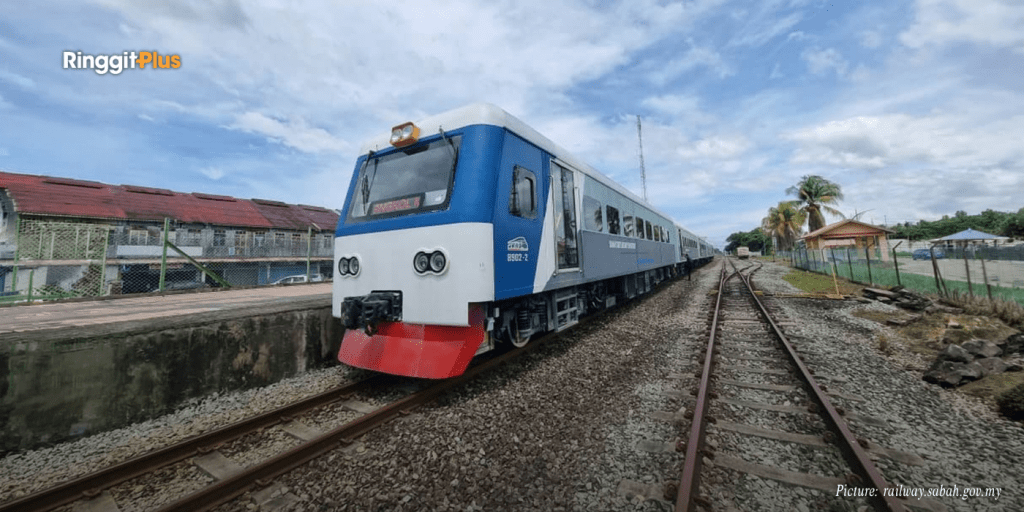
If you take the train in Sabah, you still need to buy a physical ticket at the counter. The Sabah State Railway Department (JKNS) is developing a cashless payment system for daily commuters, with completion expected by June 2026.
JKNS director Mohammad Safri Abdul Habi said that the department already offers online ticketing for its tourism packages and is now building a similar system for everyday passengers.
The System Will Go Through A Trial First
Once the cashless system is built, JKNS plans to run a pilot project before a full rollout. Mohammad Safri said the trial phase will test the system’s effectiveness, and stations along the line will need new infrastructure to support it.
No details have been released on what form the cashless payment will take, whether through QR codes, a mobile app, or contactless cards. Commuters have been calling for options like QR payments and dedicated student cards, but the final format has not been confirmed.
Current Fares Start From 40 Sen
Sabah’s rail network runs across 15 stations, from Sembulan in Kota Kinabalu to Tenom in the interior, covering towns including Putatan, Papar, Beaufort, and Halogilat along the way.
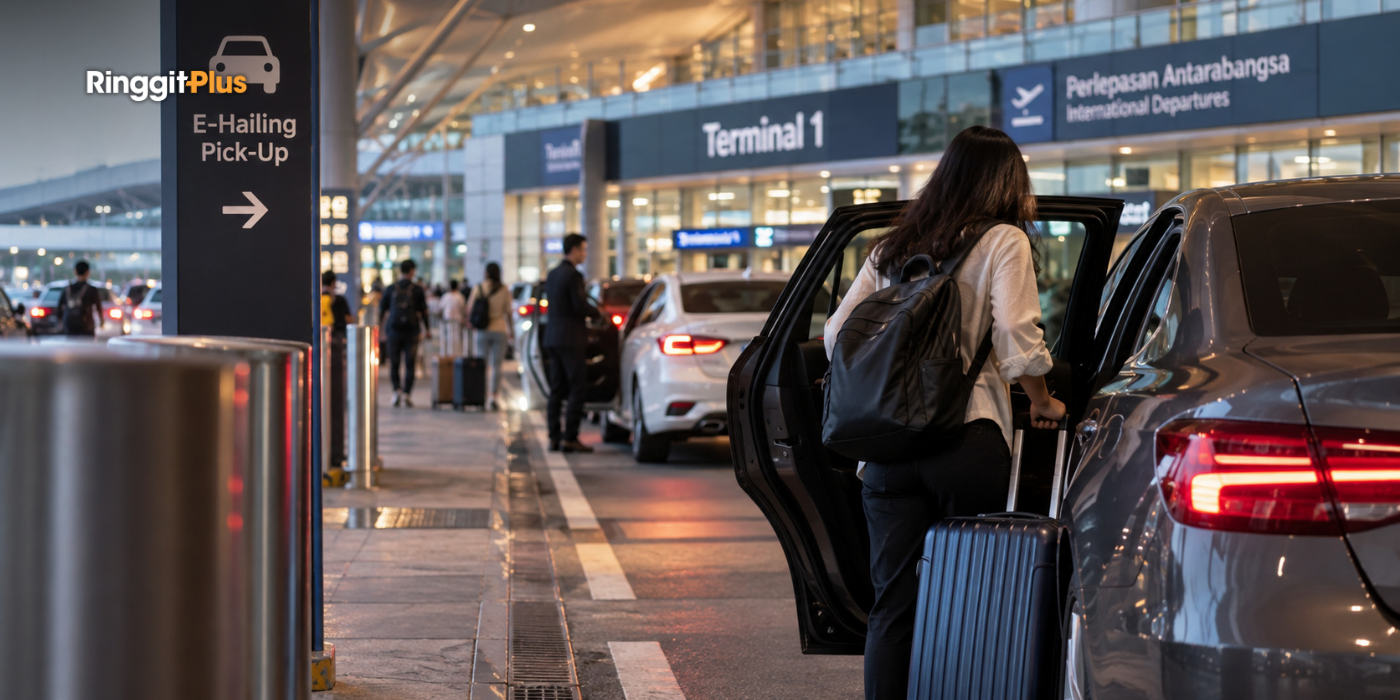
Fares are currently set at five sen per kilometre. A one-way trip costs between 40 sen and RM7.20 for adults, and between 20 sen and RM3.75 for children. A daily commuter travelling from Putatan to Kota Kinabalu, for example, pays around 40 sen each way, far cheaper than an e-hailing ride.
The state government has approved a study to review the current fare structure, and according to Sabah Deputy Chief Minister III Datuk Ewon Benedick,that review has reached 90% completion.
Mohammad Safri said JKNS is finalising the study’s findings before submitting any recommendations to the relevant ministry. If a fare revision is proposed, it will need to go through the state Cabinet for approval. The final call sits with the Cabinet, as Sabah’s rail service is treated as a social responsibility of the state government.
The current rate of five sen per kilometre has kept train travel among the cheapest transport options in the state, and any increase would directly affect the students and lower-income workers who rely on it most.
Longer-Term Plans For The Rail Network
Beyond cashless payments and fare adjustments, the state government is also looking at expanding Sabah’s rail network. A feasibility study for a new route linking Putatan to the Kota Kinabalu Industrial Park (KKIP) and Sepanggar Port is expected to take 12 months and forms part of long-term plans to connect industrial areas with port infrastructure.
The state will also begin work on a Sabah Sustainable Transport Master Plan this year, with JKNS involved in both the steering and technical committees. Both studies are still in early stages, and any construction would depend on government approval and budget.
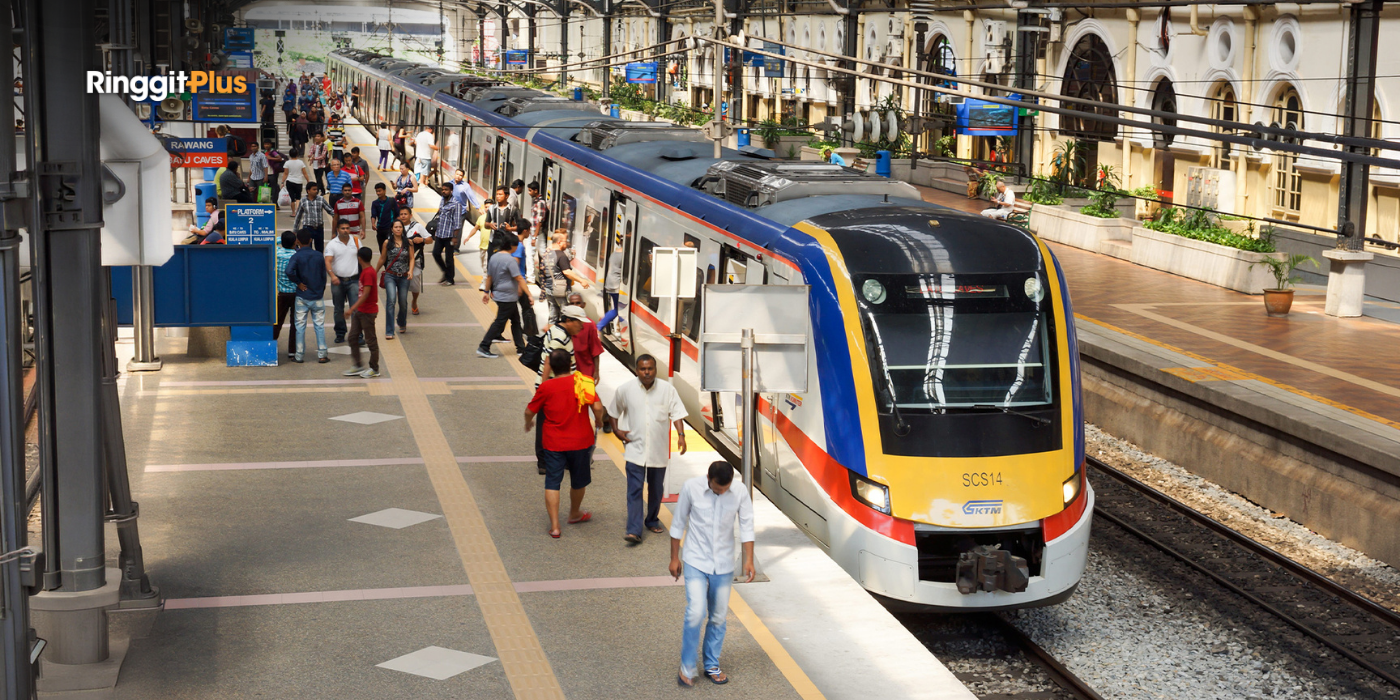
If you’re flying to Sabah soon, you may also want to check out the recent fare discounts on rail and airport travel.
Follow us on our official WhatsApp channel for the latest money tips and updates.
As a creative content writer, Eloise has covered finance, business, lifestyle topics, and even moonlights as a singer-songwriter outside of RinggitPlus. Her current interests are learning the best ways to optimise spending and credit card hacks to gain more airline miles.
00votes
Article Rating
SHARE
About THE AUTHOR
Eloise Lau
Eloise Lau
As a creative content writer, Eloise has covered finance, business, lifestyle topics, and even moonlights as a singer-songwriter outside of RinggitPlus. Her current interests are learning the best ways to optimise spending and credit card hacks to gain more airline miles.



Comments (0)