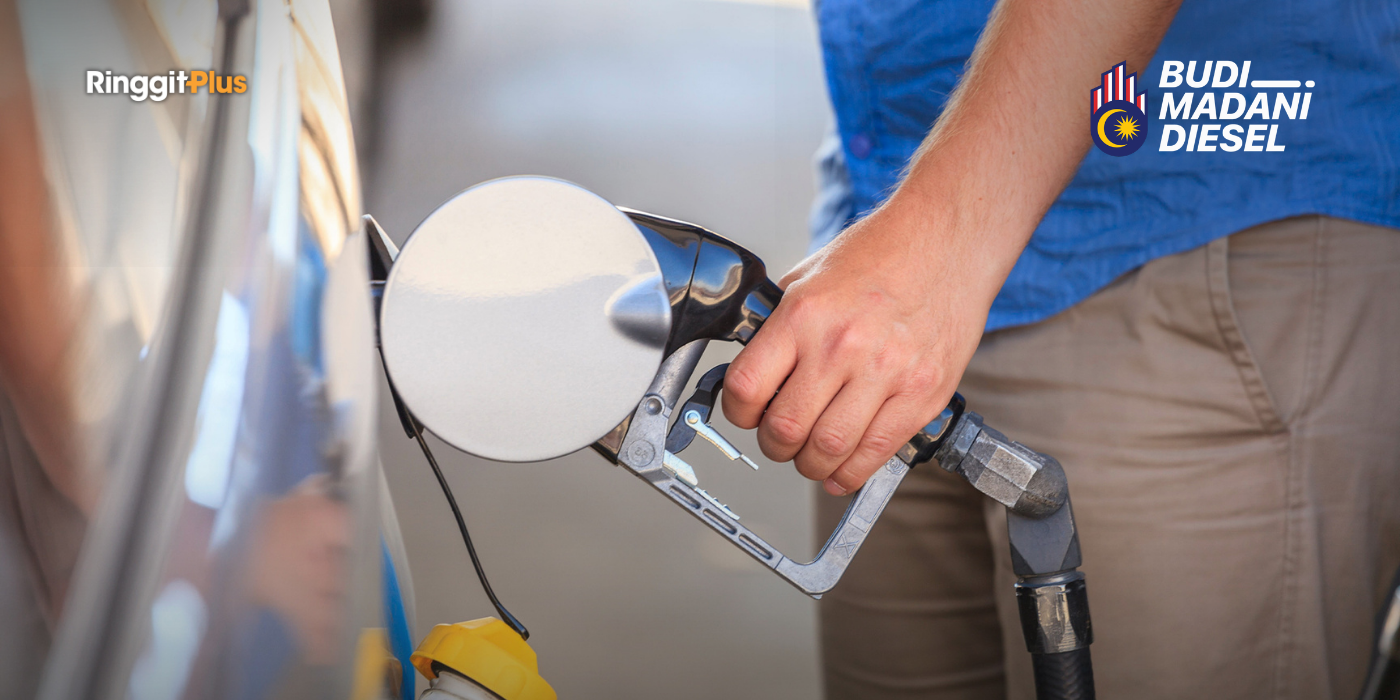
Diesel users under the Budi Madani Diesel programme will continue receiving RM300 in monthly assistance for April, as the government maintains additional support to offset rising global fuel costs.
For those who rely on diesel for daily work, whether for transporting goods, running small businesses, or managing farms, this means fuel costs are not rising as sharply as they could have this month.
RM300 Continues For April, Including Extra Support
For April, eligible recipients under the Budi Individual and Budi Agri-Commodities categories will receive RM300, which includes an additional RM100 interim support on top of the existing assistance.
Payments are scheduled to begin from April 8, with around 340,000 recipients expected to benefit. The total allocation for the month is estimated at RM102 million.
Extra RM100 Stays As Fuel Costs Remain Uncertain
Fuel costs have remained unpredictable, and diesel users tend to feel the impact more directly because it is tied to daily operations.
Instead of scaling back support, the government is keeping the additional RM100 in place, which helps reduce the immediate pressure on those who depend on diesel to earn an income. Without this top-up, even small increases in fuel prices could affect margins, especially for those already operating on tight budgets.
Over RM1 Billion Paid Out Since Launch
Since its introduction in May 2024, the Budi Diesel programme has disbursed a total of RM1.12 billion.
For many recipients, this support is not just a subsidy on paper but part of how monthly costs are managed, particularly when fuel is a fixed and unavoidable expense.
Support May Still Shift In The Months Ahead
The additional RM100 is still considered temporary, and future adjustments will depend on how global fuel prices move.
If prices stabilise, support may be reduced. If costs rise further, there may be continued pressure to extend or adjust assistance. For now, the current amount gives some breathing room, but it does not guarantee that fuel-related costs will remain steady.
What This Looks Like In Daily Costs
For those who rely on diesel to run a business or earn an income, RM300 does not eliminate fuel costs, but it helps cushion increases that would otherwise show up immediately in day-to-day operations.
A small rise in diesel prices can affect delivery charges, reduce margins for transport operators, or increase costs for those working in agriculture. Keeping the additional support in place helps prevent these changes from being passed on too quickly.
If the extra RM100 is removed, the same cost increases would be felt more directly, leaving less room to absorb higher fuel prices without adjusting prices or cutting into earnings.
Follow us on our official WhatsApp channel for the latest money tips and updates.
Samuel writes about personal finance and financial news, focusing on how banking updates, policies, and promotions affect everyday money decisions. He enjoys making complicated financial topics easier to follow. Outside of writing, he spends his time watching TV shows and occasionally convincing himself he will only watch one episode.
00votes
Article Rating
SHARE
About THE AUTHOR
Samuel Chua
Samuel Chua
Samuel writes about personal finance and financial news, focusing on how banking updates, policies, and promotions affect everyday money decisions. He enjoys making complicated financial topics easier to follow. Outside of writing, he spends his time watching TV shows and occasionally convincing himself he will only watch one episode.
We provide weekly updates on every Friday at 5pm on the prices of RON95, RON97 and Diesel in Malaysia and a chart that shows the movement of fuel prices across a 6-week period. Bookmark this page now!







Comments (0)