The government will only consider reinstating the Goods and Services Tax (GST) once Malaysia’s median wage exceeds RM4,000, Deputy Finance Minister Liew Chin Tong said, stressing that any decision must take into account current income levels and the potential impact on households. Malaysia’s median wage currently stands at slightly above RM2,800.
Income Levels Central To GST Consideration
Liew said that although GST is often regarded as a more efficient and transparent system compared with the existing Sales and Service Tax, the government must carefully weigh the burden on the public before introducing any changes.
As a consumption based tax, GST applies broadly to goods and services and can have a proportionately heavier impact on lower income earners, who typically spend a larger share of their income on daily necessities. He noted that implementing GST at current income levels would mean many individuals who do not pay income tax would still contribute through taxes on consumption.
GST Introduced In 2015 And Replaced In 2018
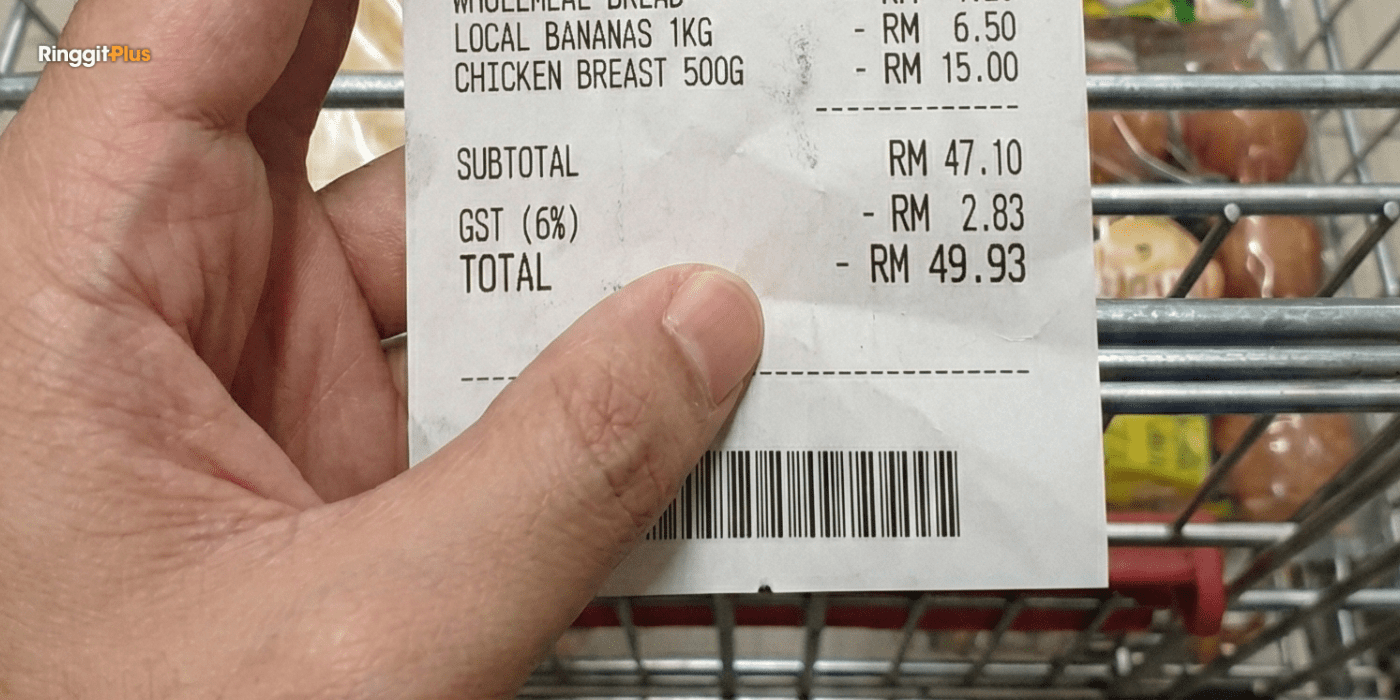
Malaysia first implemented GST in 2015 at a rate of 6% under the administration of former prime minister Datuk Seri Najib Razak. The tax was suspended on 1 June 2018 after Pakatan Harapan formed the federal government, and it was subsequently abolished and replaced with the Sales and Service Tax on 1 September 2018.
Under the current system, service tax is set at 8% for most taxable services, while food and beverage, logistics, telecommunications, and parking services are taxed at 6%. Sales tax ranges between 5% and 10%, with basic necessities subject to a zero rate, and these rates are already in force.
Steps Taken To Manage Cost Impact
Following the expansion of the Sales and Service Tax in July last year, the government introduced exemptions for business to business transactions and group relief facilities under the service tax framework to reduce tax cascading, where taxes are imposed at multiple stages of production and ultimately reflected in higher prices.
Liew said the government will continue monitoring the impact of the expanded tax framework on micro, small, and medium enterprises, overall price structures, and the cost of living, while remaining committed to strengthening the country’s fiscal position in a measured manner.
Wage Growth Linked To Future Tax Reform
By linking the possible return of GST to a median wage threshold of RM4,000, the government has tied any future tax reform to broader income growth. With the current median wage slightly above RM2,800, there remains a significant gap before that benchmark is reached, which indicates that a return to GST is not under immediate consideration.
For households, this means the existing Sales and Service Tax structure remains in place for now, while for businesses, it signals that although GST has not been ruled out in the longer term, there is no confirmed timeline or legislative proposal currently being implemented. Any future change would require formal policy announcements and amendments to tax legislation before it could take effect.
Follow us on our official WhatsApp channel for the latest money tips and updates.
Samuel writes about personal finance and financial news, focusing on how banking updates, policies, and promotions affect everyday money decisions. He enjoys making complicated financial topics easier to follow. Outside of writing, he spends his time watching TV shows and occasionally convincing himself he will only watch one episode.
00votes
Article Rating
SHARE
About THE AUTHOR
Samuel Chua
Samuel Chua
Samuel writes about personal finance and financial news, focusing on how banking updates, policies, and promotions affect everyday money decisions. He enjoys making complicated financial topics easier to follow. Outside of writing, he spends his time watching TV shows and occasionally convincing himself he will only watch one episode.
We provide weekly updates on every Friday at 5pm on the prices of RON95, RON97 and Diesel in Malaysia and a chart that shows the movement of fuel prices across a 6-week period. Bookmark this page now!









Comments (0)