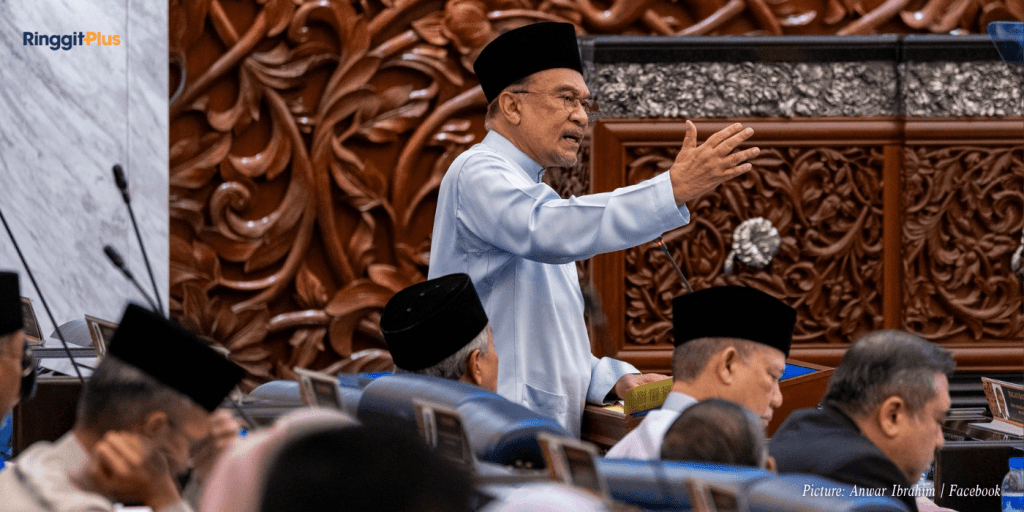
The government has tabled Budget 2026 with a total allocation of RM470 billion, marking Malaysia’s fourth MADANI budget and the first under the 13th Malaysia Plan (RMK13). The 2026 budget focuses on responsible fiscal management while delivering targeted support to households, workers, and businesses.
Direct Financial Aid For Malaysians
The government will continue its direct cash assistance through the Sumbangan Tunai Rahmah (STR) and Sumbangan Asas Rahmah (SARA) programmes. Households earning below RM2,500 with five children will receive up to RM4,600 a year, while single individuals will receive RM600 annually.
In addition, 22 million Malaysians aged 18 and above will receive a one-off RM100 payment in February 2026. Households listed under the e-Kasih database will now receive RM200 per month, double the previous SARA rate, while other eligible households will continue receiving RM100 monthly.
Funded by RM15 billion in savings from fuel subsidy rationalisation, these measures ensure that assistance remains focused on those who need it most.
Free PTPTN Education And Loan Exemptions
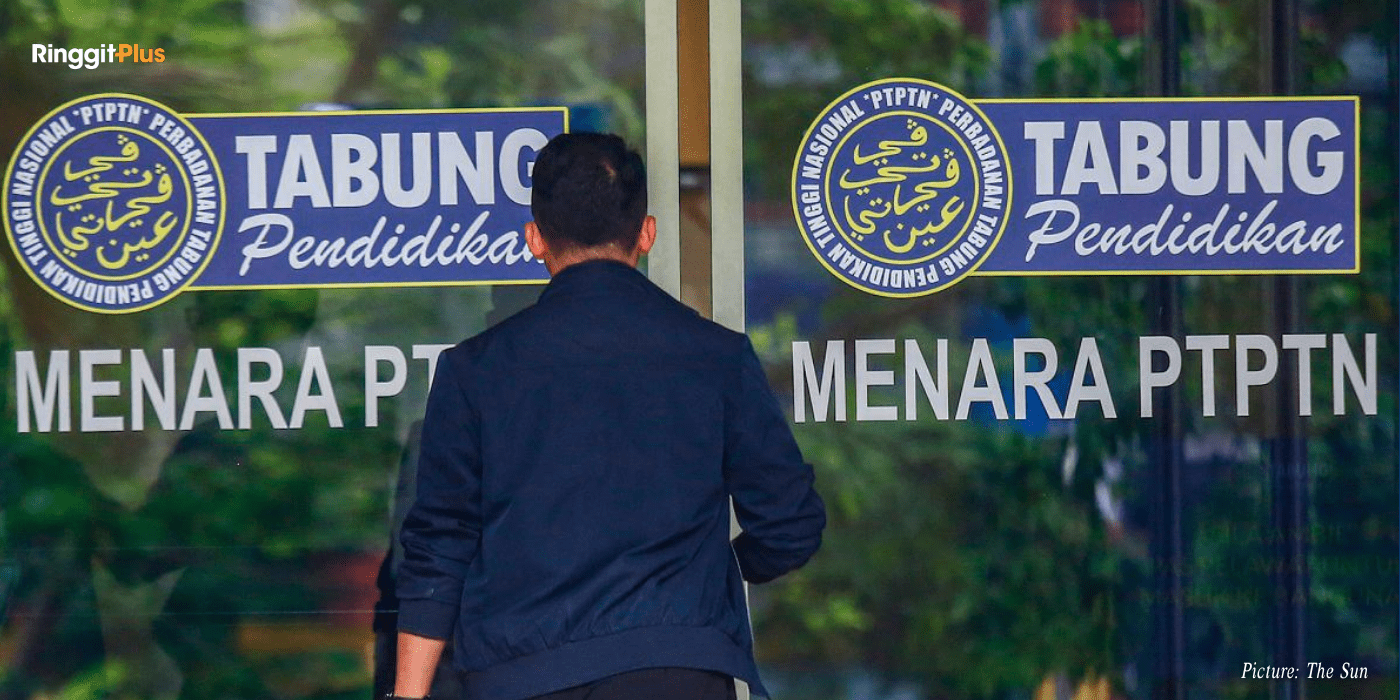
Beginning in 2026, the government will provide free PTPTN education for 5,800 students from low-income families enrolled in public universities (IPTA). The initiative, supported by RM120 million annually, aims to widen access to higher education and reduce student debt.
Students from low- and middle-income families who graduate with First-Class Honours will also receive PTPTN repayment exemptions, benefiting around 6,000 borrowers with an allocation of RM90 million.
To encourage repayment discipline, travel restrictions will be enforced on borrowers who are financially capable, working overseas, but have failed to make repayments.
Expanded Tax Reliefs For Families And Individuals
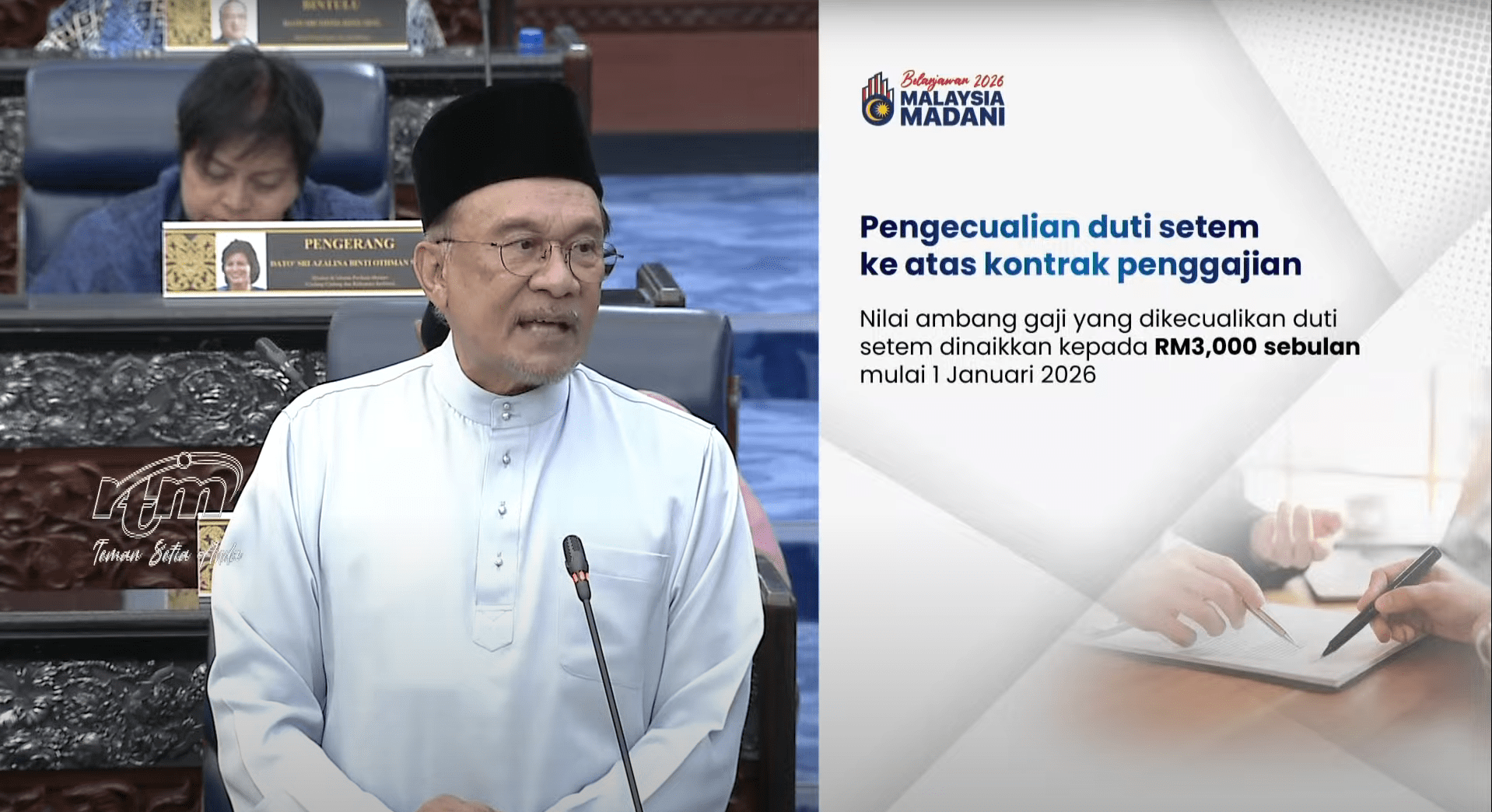
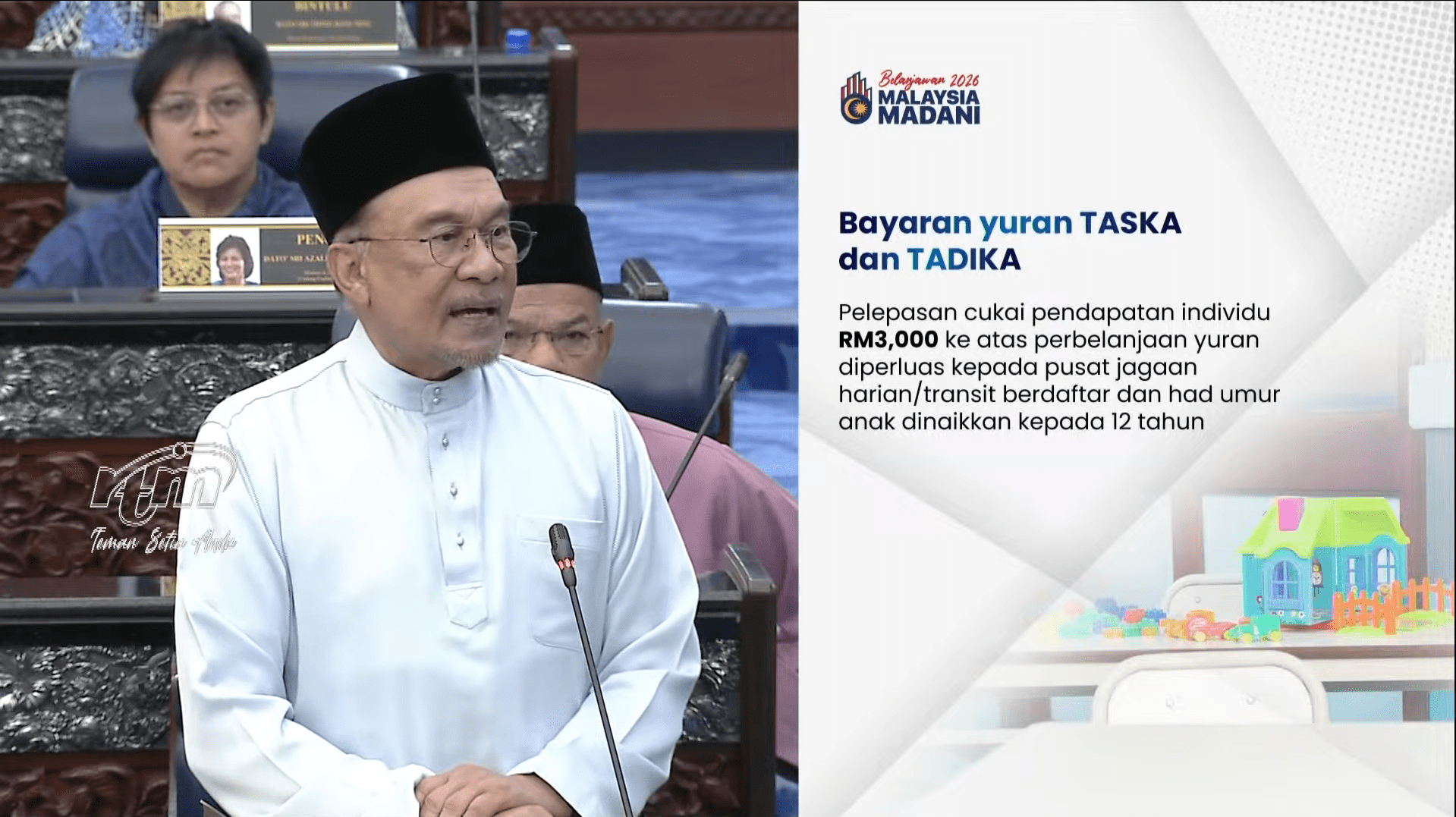
Several tax measures under Budget 2026 will ease household expenses. The childcare and kindergarten tax relief of RM3,000 will now include daycare and after-school transit centres for children up to 12 years old.
For families caring for dependents with disabilities, the tax relief has been raised from RM6,000 to RM10,000 per child.
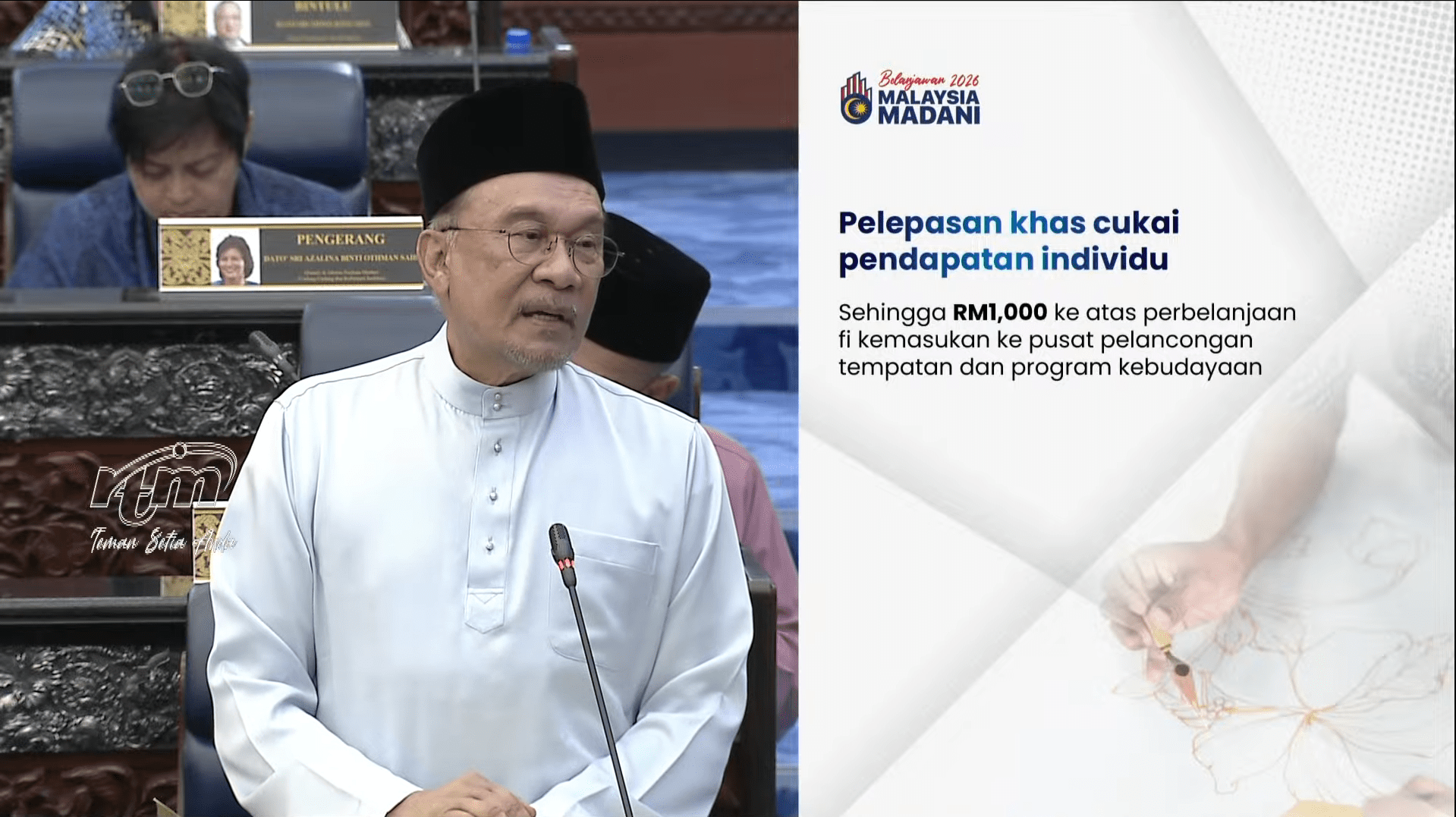
To boost domestic tourism, Malaysians can also claim RM1,000 in tax relief for local travel during Visit Malaysia Year 2026, while the vaccination relief has been expanded to include all vaccines approved by the Ministry of Health.
The existing i-Saraan programme continues with RM500 annual contributions for informal workers.
The Gig Workers Act 2025 will make SOCSO contributions mandatory, with the government covering 70% of contributions for first-time registrants in the first year and 50% in the second year.
The i-Suri scheme, which allows housewives to save voluntarily under EPF, will now extend eligibility to women up to 60 years old, aligning with the national retirement age.
A RM60 million joint fund between the government and insurers will create affordable basic health insurance products, while the stamp duty exemption for small-value takaful and insurance policies, including Perlindungan Tenang, is extended until 2028.
The MySalam scheme will continue providing critical illness and hospitalisation coverage for low-income groups, with over RM1.2 billion in claims paid to 1.7 million Malaysians since its launch.
For tobacco products, the excise duty on cigarettes will rise by 2 sen per stick, while the duty on cigars, cheroots, and cigarillos will increase by RM40 per kilogram. Heated tobacco products will see a RM20 increase per kilogram of tobacco content.
At the same time, the excise duty on alcoholic beverages will increase by 10%. The higher rate applies to both locally produced and imported alcohol, in line with the government’s goal of encouraging responsible consumption.
Revenue from these duty increases will be channelled to the Ministry of Health to support lung health initiatives, diabetes and heart disease treatment, and other public health programmes.
Foreign buyers will face a 4% to 8% stamp duty rate, while developers converting commercial buildings into residential units will receive a 10% special tax deduction, capped at RM10 million.
The government will also encourage financial institutions to expand rent-to-own and build-then-sell housing schemes, improving homeownership options.
The Consumer Protection Act 1999 will be amended to include a Lemon Law, giving consumers the right to repair, replace, or refund for defective goods.
Meanwhile, under the Consumer Credit Act, enforcement will be strengthened to prevent predatory lending and ensure fair treatment of borrowers in both bank and non-bank financial services.
Toll Discounts During Deepavali 2025
Malaysians travelling during Deepavali 2025 will receive a 50% toll discount on all highways for two days. The discount applies to all vehicle classes and will take effect nationwide.
Follow us on our official WhatsApp channel for the latest money tips and updates.
Samuel writes about personal finance and financial news, focusing on how banking updates, policies, and promotions affect everyday money decisions. He enjoys making complicated financial topics easier to follow. Outside of writing, he spends his time watching TV shows and occasionally convincing himself he will only watch one episode.
Samuel writes about personal finance and financial news, focusing on how banking updates, policies, and promotions affect everyday money decisions. He enjoys making complicated financial topics easier to follow. Outside of writing, he spends his time watching TV shows and occasionally convincing himself he will only watch one episode.




Comments (0)