Alex Cheong Pui Yin
Previously covered recruitment-related stories and had a short stint as a copywriter for the property industry. She subsequently developed an interest in investment and robo-advisors.

28th December 2023 - 12 min read

With the new year comes new goals and resolutions, both personal and professional. But how about throwing in some financial to-dos as well to help you start the year right? Having been through a difficult period of financial struggles over the past few years – thanks, Covid-19 – there has been an emphasis on adopting good personal finance habits and practices.
Before you proceed with any of the steps that we’re about to share in this article, though, make sure to first review your existing financial situation (here’s a year-end financial checklist that you can use!) Doing so will give you a better understanding as to where you currently stand, and how you can improve your situation.
If you have done a thorough review, then let’s take a look at six things you can do to make 2024 a better financial year for yourself!
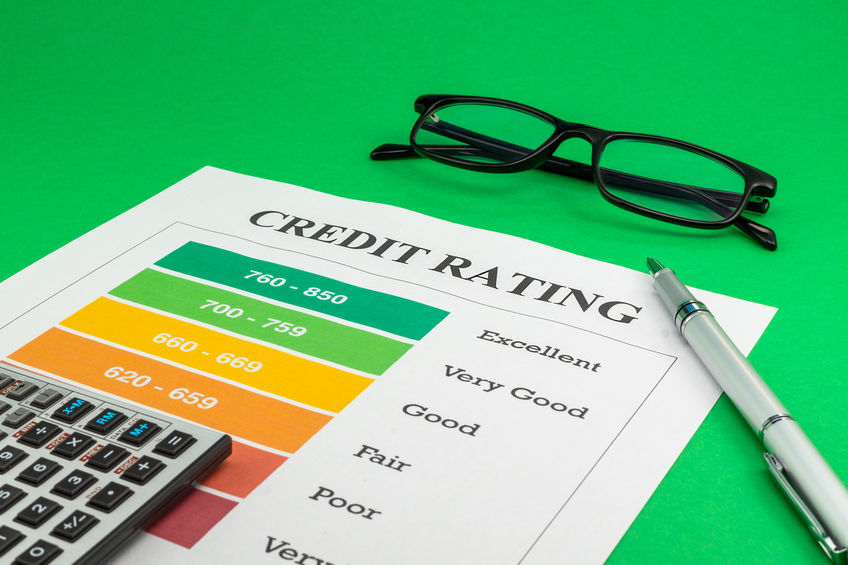
As you may have been told numerous times, a good credit score indicates good credit health, which in turn unlocks a variety of perks – such as a higher chances of approval for your credit card and loan applications, as well as better rates for loans/financing. Your credit score is calculated based on several factors, including:
| Factors | Details |
| Payment history | Have you paid your credit card bills and/or other loan instalments on time in the past 12 months? A clean repayment history will help to contribute to a good credit score. |
| Lines of credit approved | What types of loans and credit cards do you have, and how much do you have owed to banks? If you have a high credit utilisation rate, this will negatively impact your credit score. |
| Length of credit history | How long have you held a credit facility (such as a credit card, personal loan, or mortgage)? Older credit facilities marginally contribute to better credit scores. |
| New credit applications | How many credit facilities did you apply for in the past 12 months (and were approved)? Your credit score can potentially drop with each new application, and successive applications made within a short period can be interpreted by banks as a desperate customer seeking for credit. |
| Legal track record | Has there been legal action taken against you? If yes, this, too, will impact your credit score. |
Do note that all the factors highlighted above carry different weightage in the calculation of your credit score. Your payment history and behaviour, for instance, has the biggest influence on your credit score with about 40% to 45% weightage, followed by the lines of credit approved at approximately 30%. Other factors, meanwhile, typically carry a weightage of about 10%.
So if you find that your credit score is in need of improvement, start with paying your debts and loans on time to show that you are a responsible and reliable borrower. Individuals who lack credit history may also want to start building it by applying for entry-level credit cards and utilising them responsibly.
Additionally, consider maintaining a low credit utilisation (approximately 30% and below) – this essentially refers to the percentage of your credit limit that you use. So for instance, if you have a limit of RM5,000 on your credit card, a 30% credit utilisation means you should avoid spending more than RM1,500 on your card.
Improving your credit score will take time; it is not something that you can bump up overnight, but with some patience and a lot of discipline (financially), we’re sure you’ll get there!

In the following year, make it a habit to use the “right” credit cards that complement your lifestyle and enable you to maximise your spending via cashback or rewards points earned. After all, you have to spend – on essentials like groceries, dining, fuel, and other necessities – why not find ways to earn rewards and save through it as well?
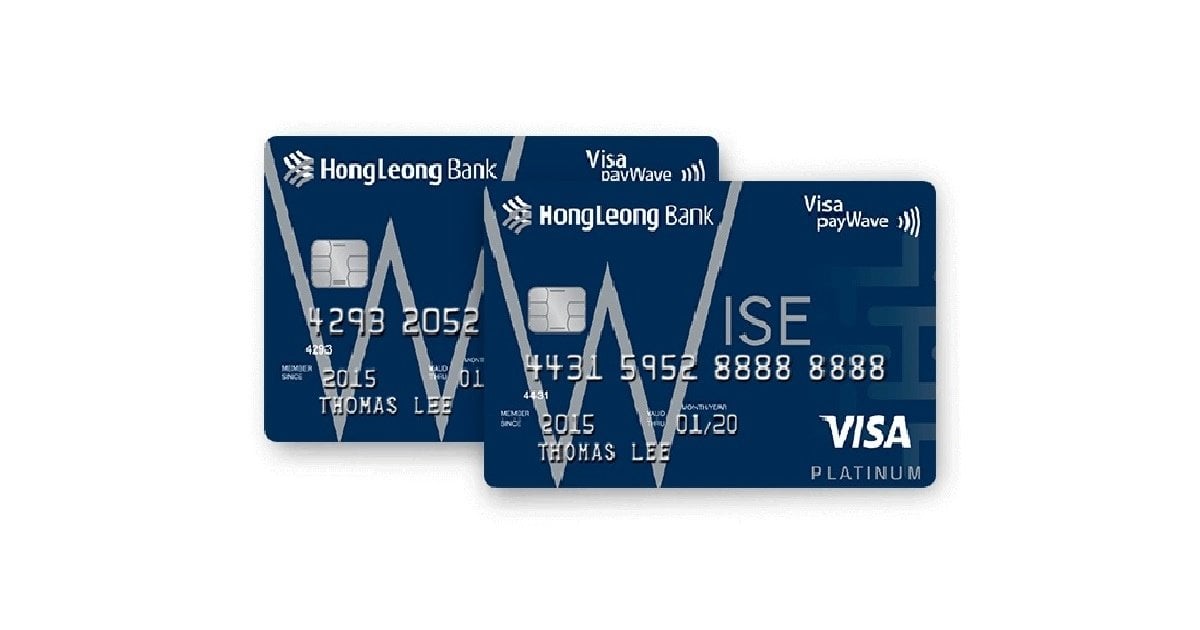
To give you an idea of how much you can actually save by utilising the right cards for your expenses, let’s take the Hong Leong Wise card as an example. Benefit-wise, the card offers up to 8% cashback for online/e-wallet spend, groceries & essentials, petrol, and dining (capped at RM15 per category) – making it one of the rare cards in Malaysia that offer rewards for online expenses in addition to other essential categories. If you manage to meet all the necessary criteria to unlock the maximum cashback of this card, you can essentially earn a significant RM720 worth of cashback in a year!
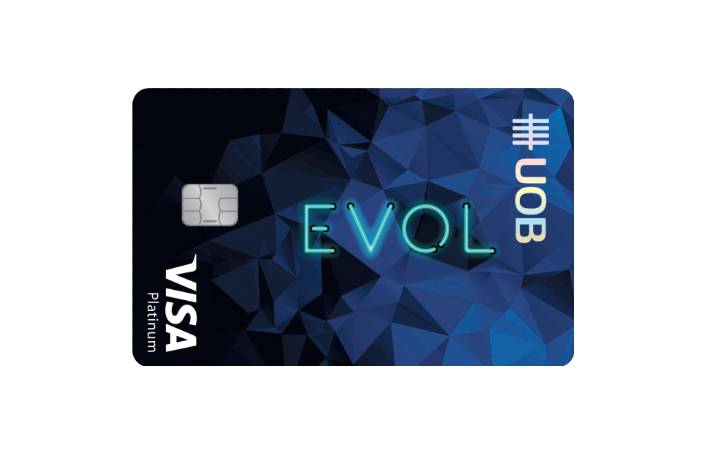
Taking this one step further, you can then complement the Hong Leong Wise with other suitable cards to cover other additional expenses that you have. The UOB One card is quite similar to the Hong Leong Wise in its benefits, so if you find yourself wishing you can earn more cashback from essential spending, a smart move is owning both of these cards.
If you’re a heavy online spender, then perhaps the Affin Visa Cashback card from the Affin Duo pair or the Maybank Islamic Ikhwan Amex Platinum card-i may be useful additions to your wallet (provided your credit score is still in good standing). These cards offer RM50 and RM100 cashback per month, respectively (if maxed with all conditions fulfilled).

We should also emphasise here that getting a new credit card does not mean giving yourself free rein to spend as you like. All credit cardholders should always ensure that they use their cards responsibly, starting with making repayments on time (which as you already know also helps with your credit score). If find yourself overspending, then perhaps it’s a better idea to start with improving your financial discipline first!
Finally, having a good credit card strategy isn’t just about making new additions to your card lineup. You may also want to think about cancelling cards that no longer meet your needs or do not fit into your current spending strategy – either due to a card revision or changes in your spending habits. This could help you to save up on the annual fee, or even reduce the risk of having your banking details compromised via an unused card.
Before you come to a final decision, though, take into consideration these factors:

Simply put, this means taking another look at your existing monthly budget and emergency funds, and seeing how things can be improved to better fit your current needs or lifestyle.
A good budgeting guideline that you could look into is the 50/30/20 Rule, which states that you should allocate 50% of your budget for needs, 30% for wants, and 20% for savings. The categories can be defined as:
That said, remember that the 50/30/20 Rule should not be a hard-and-fast rule for how you allocate your budget; it can be adapted to your personal needs.
A good follow-up exercise after reviewing your budget is to reassess your emergency fund. Does it need to be increased to accommodate recent life changes (or perhaps reduced to avoid opportunity costs)? Consider also whether there are better platforms to store your emergency fund, such as a platform that could let you earn some (or better) returns while retaining liquidity. Do note that emergency funds should cover at least three to six months’ of your living expenses, and should also be highly liquid as you’ll need to withdraw it quickly for immediate use.
An increasing number of people have begun turning to cash management solutions as an option to park their emergency funds due to their high liquidity and convenience, so you may want to do some research on these options instead of solely relying on conventional banking products.

Again, if you’ve encountered a major life event, it would be a good idea to review your insurance coverage to make sure that your family and assets are still appropriately protected. For example, if you are promoted or enjoy a raise in 2024, you should consider increasing the coverage of your life insurance policy. As we’ve mentioned in our previous article, the general guideline is between 10x to 15x your gross annual income.
Similarly, if you’ve just expanded your household – such as getting married or welcoming a new baby – consider upping your life coverage to cater to these new inclusions as well.
For those who are concerned about the cost of insurance, there is an affordable option to get standalone products – such as term-life insurance, in this case – to complement your existing protection!
Term-life insurance is a life insurance that provides coverage for a specific period of time (usually between 10 to 30 years), and as such, costs less than whole-life insurance. However, it does come with some disadvantages, including steep increases in premiums upon every renewal and (depending on your preference) a fully-online application and claims process with no agents involved. As such, make sure to take these factors into account when making your decision.
On top of life and medical insurance, do check and consider other types of insurance plans as well, such as householder insurance (for new homes), or even pet insurance for your furbabies! For some of these, you may probably also want to think about tacking on add-ons if necessary.

Before you begin looking into any new investment opportunities, make sure to first review your risk tolerance and investment horizons to see if they have changed over the past year. Consider, too, the match between these factors and your current age. Young investors (between the age of 18 to 35), for example, can stand to be more aggressive with their investment decisions to get better returns, since they have a longer time horizon to recover in the event of loss. Older investors, meanwhile, typically have lower risk tolerance, in line with their shorter time horizon.
Once you’ve considered these aspects and decided that you do need to update or rebalance your investment portfolio via new opportunities, then the next step – naturally – is to do some research into these assets!
Aside from looking at the historical performance of your preferred assets, take time to also read up on the industry that you’re aiming to invest in, as well as economic trends. If you are a seasoned investor, you can take things further by looking up details like a company’s financial statements and business metrics to gauge their growth or yield potential.
So for example, if you’re conducting research on a mutual fund, look at how the fund has performed in the past, in comparison with the benchmark that it uses and the performance of its main competitors. You can also check the fund’s expense ratio, sector weightage, asset allocation, and investment style. If the fund is heavily invested in the IT sector in the Southeast Asian region, what are the prospects of the sector and the region?
With these analysis and research, hopefully you’ll find new opportunities that can greatly boost your portfolio.

Finally, if all of the above sounds like too much effort, there is always the option to engage the services of a licensed financial planner! As you research and choose your financial planner, make sure that they are licensed by the Securities Commission Malaysia (SC) and registered with the Malaysian Financial Planning Council (MPFC), which requires them to possess relevant certifications and meet certain requirements.
You should also take some time to compare the packages offered; financial planners may offer different scopes of services at different price points. So make sure to consider your needs and requirements before committing yourself to any packages!
***
With this, we hope that you will be ready to get 2024 off to a good start, with better financial health and habits in the year to come. To further help you along, it may be a good idea for you to keep an ongoing checklist throughout the year to track your financial progress and any adjustments that you make; this way, you will have an easier time doing your year-end financial review in 2024.
And last but not least, we at RinggitPlus would like to take this opportunity to wish you a very Happy New Year!
Previously covered recruitment-related stories and had a short stint as a copywriter for the property industry. She subsequently developed an interest in investment and robo-advisors.






Comments (0)