




























































What Is A Credit Card?
A credit card lets you pay for purchases first and repay your bank later. Unlike a debit card, which uses money directly from your bank account, a credit card gives you access to a credit limit that you can use and repay based on your billing cycle.
Many people use credit cards because they offer more than just a way to pay. Depending on the card, you can earn cashback on everyday expenses, collect reward points, convert spending into air miles or enjoy other card benefits. Some cards also offer sign-up gifts during selected promotions.
Before applying for a credit card, understanding how repayments, fees and rewards work can help you compare your options and decide which card suits the way you spend.
How Credit Cards Work
A credit card works by giving you a credit limit that you can spend from and repay later. Every purchase reduces your available limit, and every repayment increases it again.
For example, if you have a RM5,000 credit limit and spend RM1,000, you will have RM4,000 available until you repay your balance.
Every credit card follows a monthly billing cycle. During this period, your purchases are recorded before your bank issues a monthly statement showing your outstanding balance, minimum payment amount, and payment due date.
Paying the minimum amount keeps your account active, but it does not clear your full credit card balance. If you don't repay your statement balance in full by the payment due date, finance charges may apply according to your card's terms and conditions.
Credit card rewards provide the most value when you repay your statement balance in full by the payment due date. This allows you to enjoy cashback, reward points and other card benefits while avoiding finance charges on eligible retail transactions.
How the Interest-Free Period Works
Most credit cards in Malaysia offer an interest-free period on eligible retail transactions if you repay your statement balance in full by the payment due date. The actual number of interest-free days depends on when you make your purchase within the billing cycle, as purchases made earlier in the cycle have a longer interest-free period than those made closer to the statement date.
For example, if you spend RM1,000 during your billing cycle, your bank will include the purchase in your monthly statement. If you repay the full RM1,000 by the payment due date, you can avoid finance charges on those eligible retail transactions.
| Example | Amount |
|---|---|
| Purchases during the billing cycle | RM1,000 |
| Statement balance | RM1,000 |
| Amount paid by the due date | RM1,000 |
| Finance charges on eligible retail transactions | RM0 |
If you only repay part of your statement balance, finance charges may apply to the unpaid balance according to your card's terms and conditions. Cash advances and certain other transactions may not qualify for the interest-free period and can incur finance charges from the transaction date.
Repaying your statement balance in full by the due date is one of the simplest ways to maximise your credit card's value. It allows you to enjoy cashback, reward points, air miles, and other card benefits while avoiding finance charges on eligible retail transactions.
Should You Get a Credit Card?
A credit card is worth considering if you can repay your statement balance in full every month and want to earn rewards from your everyday spending. Depending on the card, you could receive cashback, reward points, air miles, or travel benefits on purchases you already make.
A credit card is generally a good fit if you regularly spend on groceries, petrol, dining, online shopping, or travel and plan to use its benefits. If you prefer to spend only the money available in your bank account or are already finding it difficult to manage your existing financial commitments, a debit card may be a better choice.
To get the most value from a credit card, repay your statement balance by the due date whenever possible. This allows you to enjoy the card's benefits while avoiding finance charges on eligible retail transactions.
Credit Card vs Debit Card
A credit card and a debit card may look similar, but they work differently. A debit card uses money directly from your bank account, while a credit card lets you borrow from a pre-approved credit limit and repay the amount later.
The right choice depends on how you prefer to manage your money and whether you want access to additional benefits such as cashback, reward points, or travel perks.
| Feature | Credit Card | Debit Card |
|---|---|---|
| Source of funds | Borrow from your approved credit limit | Money in your bank account |
| Repayment | Repay the bank after your billing cycle | Payment is deducted immediately |
| Rewards | May offer cashback, reward points, air miles, or travel benefits | Limited rewards, depending on your bank |
| Finance charges | Apply if you don't repay your statement balance in full | None |
| Spending limit | Based on your approved credit limit | Limited to the available balance in your account |
| Credit history | Responsible use may help build your credit profile | Does not typically contribute to your credit history |
A debit card is generally suitable if you prefer to spend only the money you already have. Since payments are deducted immediately from your account, it can make budgeting more straightforward and help you avoid borrowing.
A credit card offers greater flexibility and additional benefits, especially if you repay your statement balance in full each month. Depending on the card, you could earn cashback on everyday purchases, collect reward points, convert spending into air miles, or enjoy travel privileges such as airport lounge access and complimentary travel insurance.
Many people use both. A debit card is useful for everyday banking and cash withdrawals, while a credit card can provide extra value on eligible spending through rewards and promotional benefits.
Understanding these differences can help you decide which payment method best matches your spending habits and financial goals.
How to Choose the Right Credit Card
Choosing a credit card starts with understanding how you plan to use it.
A higher cashback rate does not always mean higher savings if the cashback limit is lower or your usual spending categories are excluded. However, the features you use regularly usually matter more than the longest list of benefits.
Before comparing cards, think about:
- Where do you spend the most each month?
- Do you prefer cashback, reward points or air miles?
- Are the benefits worth any annual fees or requirements?
The table below gives a simple overview of which credit card types may match different spending needs.
| If you want to | Compare | Look at |
| Save on everyday spending | Cashback cards | Cashback limits and categories |
| Earn travel benefits | Travel cards | Air miles and travel perks |
| Collect flexible rewards | Rewards cards | Redemption options |
| Reduce ownership costs | No annual fee cards | Fee waiver conditions |
Once you understand which category fits your spending, you can compare the details between cards. Even cards within the same category can have different reward limits, fees and requirements.
Types of Credit Cards in Malaysia
Different credit cards focus on different benefits. Some reward everyday spending, while others are designed for travel, petrol, flexible rewards or specific financial needs.
Cashback Credit Cards
Cashback credit cards return a percentage of your eligible spending as cash rebates. They are usually useful if you regularly spend on categories such as groceries, petrol, dining or online shopping.
When comparing cashback cards, don't only look at the cashback rate. Cashback caps, eligible spending categories and minimum spending requirements affect how much you receive.
For example, a card offering 10% cashback is not always better than one offering 5% cashback if the higher-rate card has a lower monthly limit or does not match where you usually spend.
Travel Credit Cards
Travel credit cards help you earn travel-related benefits such as earning air miles, airport lounge access, complimentary travel insurance, and rewards on overseas spending.
If you travel regularly, compare how quickly you can earn miles and where those miles can be used. Some cards offer higher rewards for overseas spending, while others also reward local spending.
The right travel credit card depends on whether you can use the benefits often enough to make them worthwhile.
Rewards Credit Cards
Rewards credit cards let you earn points on your spending, which can usually be redeemed for vouchers, products, air miles, or other rewards.
The number of points earned is only one part of the comparison. Different banks have different redemption rates, catalogues and expiry periods.
A rewards credit card that earns more points does not always mean better rewards if those points require more spending to redeem something useful.
Petrol Credit Cards
Petrol credit cards reward fuel spending through cashback, reward points or petrol-related benefits.
Some cards focus on specific petrol brands, while others cover multiple spending categories. If you usually refuel at the same station, a petrol-specific card may offer higher rewards. If your spending is more varied, a broader cashback card may also be worth comparing.
Besides the cashback rate, check the monthly cap and spending requirements to understand how much you can earn.
Islamic Credit Cards
Islamic credit cards follow Shariah principles while offering many common credit card features such as cashback, reward points, air miles and other benefits.
Many Islamic credit cards today use Tawarruq as the underlying Shariah contract. The way the card is structured is different, but many of the things you compare remain the same, such as rewards, fees and eligibility requirements.
Understanding the Shariah concept behind the card can help you make a more informed comparison before applying.
No Annual Fee Credit Cards
No-annual-fee credit cards reduce the cost of owning a card by removing or waiving the annual fee.
Some cards offer lifetime annual fee waivers, while others require you to meet certain spending conditions. Always check whether the waiver is automatic or conditional.
A card with an annual fee is not automatically worse. If you use the rewards and benefits often, they may outweigh the yearly cost.
Credit Cards with Balance Transfer Plan
A balance transfer moves your outstanding balance from one credit card to another, usually at 0% or a low promotional interest rate for a fixed period. Instead of paying the standard finance charge on your existing card, you repay the transferred amount at little or no interest during that period.
Before applying, check the promotional rate, processing fee, repayment period, minimum payment, and what happens to any balance left when the promotion ends. Our guide on what to check before applying for a balance transfer covers these costs and conditions in more detail.
A balance transfer is also different from an easy payment plan. A balance transfer moves existing credit card debt to another card, while an easy payment plan converts a purchase into instalments. Read our guide on balance transfers vs easy payment plans if you're deciding between the two.
How the 0% interest period works
Most Malaysian banks offer balance transfer tenures of 6, 12, 24 or 36 months. During this period, you pay a fixed monthly amount towards clearing the transferred balance, plus a minimum payment requirement, typically around 3% to 5% of the outstanding transferred amount, or a flat minimum, whichever is higher.
The maths only works in your favour if you clear most of the balance before the promotional period ends. On an RM8,000 balance transfer, the standard credit card finance charge in Malaysia runs 15% to 18% p.a., so leaving that amount on a regular card costs RM100 to RM120 a month in interest alone. A 0% balance transfer removes that cost entirely for the agreed tenure, though most banks still charge a one-time processing fee.
What Malaysian banks currently offer
| Bank | Rate | Fee | Terms |
|---|---|---|---|
| RHB | 0% p.a. for 12 months | No processing fee | Min RM1,000, max RM30,000. New RHB Credit Card/-i applicants only. Campaign runs through 31 December 2026 |
| CIMB | Reduced fixed rate (check current rate before applying) | Zero processing fee | Min RM1,000, up to 80% of your credit limit. Minimum monthly repayment is 5% of the outstanding balance or RM50, whichever is higher |
| Maybank | Standard finance rate applies unless a new 0% campaign is running | 3% one-time upfront fee plus 8% Service Tax on that fee | Min RM1,000, max RM50,000 for 6 to 12-month plans, up to 90% of your credit limit for tenures up to 36 months |
Rates, fees and campaign periods change often, and Maybank's most recent 0% waiver ended 31 March 2026, so it's worth checking each bank's current terms before applying rather than assuming a promotional rate is still running.
What happens after the promotional period ends
Once the tenure ends, any remaining balance reverts to the card's standard finance charge, usually the same 15% to 18% p.a. ceiling that applies to regular credit card debt. A common mistake is continuing to spend on your old cards after freeing up their limits. That new spending accrues interest at the standard rate while your repayments go towards clearing the transferred balance first, so the savings from the transfer get eaten up in the background.
If you're weighing whether a balance transfer is worth it, our balance transfer comparison page breaks down current offers side by side, and the DSR Calculator can help you see how the freed-up repayment affects your overall commitments.
Compare Credit Cards from Banks in Malaysia
If you already have a preferred bank, you can also compare credit cards by provider. This can be useful if you prefer managing your banking products in one place or want to explore cards from a bank you already use.
RinggitPlus lets you compare credit cards from various banks and financial providers in Malaysia, including:
- Local banks: Maybank, CIMB, Public Bank, Hong Leong Bank, RHB, AmBank, AFFIN Bank, Alliance Bank, BSN, Bank Rakyat
- Islamic banking providers: Bank Islam, AFFIN Islamic Bank, HSBC Amanah, Public Islamic Bank
- International banks: HSBC, Standard Chartered, UOB, OCBC, ICBC
- Other Credit Providers: AEON Credit Service
Each bank may offer different cashback rates, reward programmes, travel benefits, annual fees and eligibility requirements. Comparing cards side by side helps you understand which option matches what you're looking for.
Best Credit Cards in Malaysia 2026
After understanding the different types of credit cards, you can compare individual cards based on the benefits you are looking for.
The examples below highlight popular credit cards across different categories.
| Best for | Credit card | Key benefit |
| Cashback | RHB Shell Visa | Up to 12% cashback at Shell |
| Cashback | UOB ONE Card | Cashback on selected everyday spending |
| Travel | Standard Chartered Journey | Air miles and travel privileges |
| Petrol | CIMB PETRONAS Visa Platinum-i | Cashback at PETRONAS stations |
| Cashback | HSBC TravelOne | 8X points on overseas spend plus 6 free airport lounge visits a year |
| Travel | HSBC Amanah MPower Platinum-i | 8% cashback on petrol, groceries and e-wallets over RM2,000 monthly spend |
| No annual fee | Alliance Bank Visa Virtual | No annual fee with rewards |
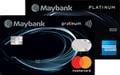
| Premium travel | Maybank American Express Platinum | 5X points and up to RM700,000 travel insurance |
Credit card benefits, fees and promotions can change over time. Check the latest cashback rates, reward conditions, sign-up gifts and eligibility requirements before applying.
Who Can Apply for a Credit Card in Malaysia?
To apply for a principal credit card in Malaysia, you need to meet the minimum requirements set by the bank. These usually include your age, income and residency status.
Under Bank Negara Malaysia guidelines, principal credit card applicants must generally be at least 21 years old and meet the minimum income requirement. Most entry-level credit cards require a minimum annual income of RM24,000, although some cards may have higher requirements depending on the benefits offered.
For example, a basic cashback card may have a lower income requirement, while premium travel cards with features such as airport lounge access usually require a higher income.
The table below shows common requirements when applying for a credit card.
| Requirement | What banks usually check |
| Age | Minimum age for principal cardholders |
| Income | Monthly or annual income requirement |
| Documents | Proof of identity and income |
Meeting the minimum requirements does not guarantee approval. Banks will also assess your credit profile, existing financial commitments and repayment history before making a decision.
How Banks Decide Your Credit Card Limit
Your credit card limit is the maximum amount you can spend using your card. The approved amount depends on your financial profile and the bank's assessment.
Banks usually consider factors such as:
- Your monthly income
- Existing loans or commitments
- Current credit cards
- Repayment history
Your CCRIS record may also be reviewed as part of the application process because it shows your credit and repayment information.
Your credit history can also affect how banks assess future applications. Read more about why your credit score matters when applying for credit.
A higher income does not automatically mean you will receive the highest credit limit available. Banks consider your overall ability to manage repayments before approving a limit.
Supplementary Credit Cards
A supplementary credit card allows you to share your credit card account with another person, such as a family member.
The supplementary cardholder receives their own card, but the spending is linked to the principal cardholder's account. This means the principal cardholder remains responsible for repayments.
Supplementary cards can be useful for managing shared expenses, but it is important to understand the spending limit and repayment responsibility before adding another cardholder.
How to Apply for a Credit Card
Applying for a credit card starts with comparing cards that match your spending habits, eligibility and the benefits you're looking for. On RinggitPlus, you can compare credit cards by cashback, rewards, annual fees, income requirements, sign-up gifts and other features before applying online.
Before submitting your application, it helps to understand your financial profile. Banks may review your income, repayment history and existing commitments when assessing your application. You can use the DSR Calculator to estimate your debt service ratio and see how your current commitments compare against your income.
Prepare the documents required for your application. These usually include:
- Identification document, such as your MyKad
- Proof of income, such as recent salary slips or EPF statements
- Additional income documents if you're self-employed
Once you're ready, you can apply directly through RinggitPlus:
- Choose the credit card you want.
- Click "Apply Now" and complete the online application.
- Submit your required documents.
- Wait for the bank to review your application.
- Receive your credit card once approved.
Processing times may differ depending on the bank and your application details.
Need help deciding which card suits you? Chat with the RinggitPlus Cards Assistant on WhatsApp at +603-9078 0880 or email [email protected].
Credit Card Sign-Up Gifts and Promotions 2026
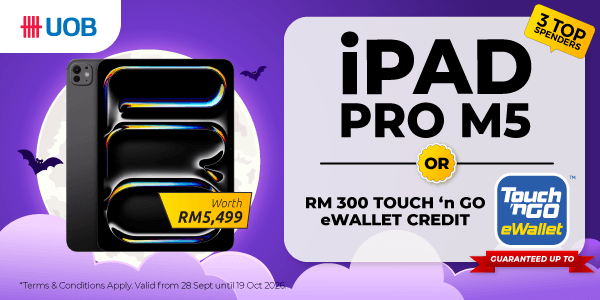
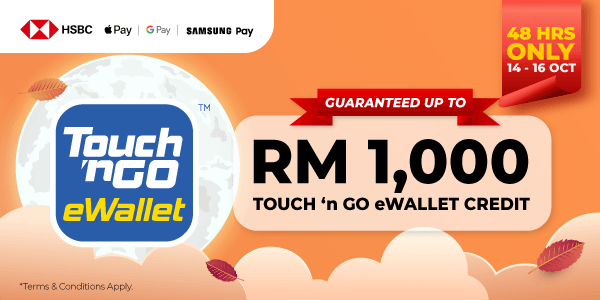
Many credit cards in Malaysia offer sign-up gifts or limited-time promotions for new applicants. These offers may include cashback, shopping vouchers, gadgets, reward points, or other benefits depending on the bank and campaign period.
Sign-up offers can make a card more attractive when you're comparing similar options, but they are only one part of the overall value. The card's ongoing rewards, fees and spending requirements will determine how useful it is after the promotion.
Besides sign-up gifts, banks may also offer merchant promotions for dining, shopping, travel and other spending categories.
Some promotions require promo codes, minimum spending amounts or specific payment methods to qualify. Check the latest terms and conditions before using an offer, as promotions may change over time.
Updated: 25 September 2026
|
FOOD AND DINING PROMOTION |
|||
| Bank | Merchant | Promotion | Expiry Date |
| AEON | Makii Makii | 10% OFF any set meals |
31 Oct 2026 |
| AFFIN Bank | Kenangan Coffee |
Buy 1, Get 1 on any drink every Thursday (Minimum spend RM20) *Valid for ShopeeFood in-app orders only |
26 Nov 2026 |
| Bank Islam | Tealive |
RM5 OFF on drinks Promo code: BIMB5 (Minimum spend RM12) *Valid for in-app purchases only Limited to 3,000 redemptions per month |
30 June 2027 |
| CIMB | Kenangan Coffee |
10% OFF handcrafted drink |
31 Dec 2026 |
| HSBC | Aburii |
15% OFF on Japanese Omakase Course Menu *Valid for dinner session only (6:00pm – 10:30pm) |
31 Oct 2026 |
| Hong Leong Bank | Salad Atelier | 10% OFF total order Promo code: BANK10 |
31 Jan 2027 |
| Maybank | Supamala Hotpot |
10% OFF on Deluxe Buffet sets *Valid from Monday to Thursday, except Public Holidays |
30 Apr 2027 |
| UOB | Heytea | 10% OFF on handcrafted beverages |
31 Dec 2026 |
|
SHOPPING PROMOTION |
|||
|
Bank |
Merchant | Promotion | Expiry Date |
| AEON | Tomei |
30% OFF on normal-priced diamond jewellery |
1 Jan 2027 |
| AFFIN Bank | Celovis | RM25 OFF via website Promo code: AFFIN25 (Minimum spend RM250) |
28 Feb 2027 |
| CIMB | Poh Kong |
RM50 OFF on Diamond and Gem (Minimum spend RM500) |
31 Oct 2026 |
| HSBC | M.A.C Cosmetics | (Minimum spend RM200) |
31 May 2027 |
| Hong Leong Bank | Bayu Somerset |
RM10 OFF Promo code: HLBS10 (Minimum spend RM150) |
14 Mar 2027 |
| Maybank | Kapten Batik |
10% OFF normal-priced items on website Promo code: KBMBB10 |
31 Dec 2026 |
| Standard Chartered |
COROS |
25% OFF all COROS Wearables & receive a complimentary gift |
31 Dec 2026 |
| UOB | Zalora |
12% OFF Promo code: UOBZAL2026 (Minimum spend RM250) *Capped at RM100 |
31 Dec 2026 |
|
HOTEL AND TRAVEL PROMOTION |
|||
| Bank | Merchant | Promotion | Expiry Date |
| Affin Bank | Colmar Tropicale, Berjaya Hills |
30% OFF Suite Best Flexible Rate 20% OFF Room Best Flexible Rate Booking via website |
30 June 2027 |
| BSN | M World Hotel | 10% OFF Best Available Room Rate Promo code: MWORLDBSN *Upon checkout and walk-in |
31 Dec 2026 |
| CIMB | Imperial Lexis |
Up to 15% OFF on dining and room stay booking via website Promo codes: ILKL26B* or ILKL26A *For selected credit cards |
30 Sept 2027 |
| Hong Leong Bank | TUI BLUE The Haven Ipoh |
10% OFF on selected rooms Promo code: VISA *Blackout dates apply |
30 Nov 2026 |
| HSBC | Grand Lexis Port Dickson |
Promo code: HSBC25B *Valid for selected HSBC Bank/HSBC Amanah Visa Credit Card/-i |
30 Nov 2026 |
| Maybank | Klook | 12% OFF on holiday bookings in Malaysia Promo code: KLK12MBB Capped at RM50 Limited to the first 120 redemptions per month |
31 Dec 2026 |
| UOB | Expedia |
7% OFF for hotel bookings via website Promo code: UOBMY7 |
31 Dec 2026 |
How to Use These Discounts
With Promo Codes: Enter the code during checkout online, or mention it at the merchant's counter. Some codes work only on specific platforms (app, website, in-store).
Without Codes: Simply present your eligible credit card at payment. The discount applies automatically if your card qualifies.
Important: Always verify you meet any conditions before heading to the merchant. Some offers have minimum purchase amounts, blackout dates, or limited redemptions per month. Check the asterisks in the tables above for specific restrictions.
Credit Card Fees and Charges
Credit cards can come with different fees and charges depending on the card type and how you use it. Some fees are part of owning a card, while others only apply in specific situations such as late payments or certain transactions.
The table below shows common credit card fees in Malaysia.
| Fee | What it means | When it applies |
| Annual fee | A yearly card membership fee | Charged based on the card's terms |
| Service tax (SST) | Government tax on credit cards | Charged annually for each card |
| Finance charge | Interest on your outstanding balance | When you do not fully repay your balance |
| Late payment charge | Fee for missed payments | When payment is made after the due date |
Besides these charges, some transactions such as cash advances, overseas spending or instalment plans may come with additional fees depending on the bank.
A no-annual-fee credit card is not always the lowest-cost option, and a card with an annual fee is not always expensive. Whether a fee is worth paying depends on whether the benefits you use, such as cashback, rewards or travel perks, cover it.
For example, a frequent traveller may find a card with an annual fee worthwhile if the travel benefits received are higher than the yearly cost. Someone who mainly wants a simple card for everyday spending may prefer a no-annual-fee option.
Understanding the fees helps you compare the total cost of owning a credit card instead of looking only at rewards, promotions, or sign-up gifts.
How to Use Your Credit Card Safely
Using a credit card safely is not only about protecting your card details. It also means understanding how your spending, repayments and security habits affect your overall card experience.
Pay Your Credit Card Bills on Time
Paying your statement balance in full before the due date helps you avoid finance charges while still enjoying benefits such as cashback, reward points or air miles.
Your credit card statement will also show a minimum payment amount. Paying this keeps your account active, but it does not clear your full balance. Any unpaid amount may continue to accumulate finance charges until it is fully repaid.
Monitor Your Transactions Regularly
Check your credit card transactions through your banking app or monthly statement. This helps you track your spending and identify unfamiliar transactions earlier.
You can also enable transaction alerts through your bank so you receive notifications whenever your card is used.
Protect Your Card Details
Keep sensitive information such as your PIN, OTP and online banking details private. Your bank will never ask you to share these details through phone calls, messages or emails.
If your card is lost, stolen or used for an unauthorised transaction, contact your bank immediately through official channels.
Use Your Bank's Security Features
Many banks in Malaysia provide security features through their mobile banking apps to give you better control over your card.
Depending on your bank, you may be able to:
- Set transaction limits
- Temporarily block your card
- Manage online or overseas transactions
- Activate a Kill Switch during suspected fraud cases
Setting up these features early can make it easier to protect your card when you need them.
Common Credit Card Mistakes to Avoid
Credit cards can be useful financial tools, but small habits can affect how much value you get from them. Understanding common mistakes helps you use your card more effectively.
Paying Only the Minimum Amount
The minimum payment shown on your statement is not the same as fully paying your credit card bill.
For example, if your statement balance is RM3,000 and you only pay part of it, the remaining balance may continue to accumulate finance charges. Paying your full statement balance whenever possible helps you reduce unnecessary interest costs.
Missing Your Payment Due Date
Late payments can lead to additional charges and may affect your credit record. Setting payment reminders or arranging automatic payments can help you manage your due dates more consistently.
Using Cash Advances Without Understanding the Cost
A credit card cash advance lets you withdraw cash using your credit card, but it usually comes with additional fees and finance charges.
For everyday cash withdrawals, using your debit card or savings account is usually a more suitable option.
Ignoring the Terms Behind Reward
Credit card rewards can differ depending on the card's conditions, not just the advertised reward rate.
For example, a cashback card with a higher percentage may have a monthly cashback cap, selected spending categories, or minimum spend requirements. Reward points may also have different redemption values or expiry periods depending on the bank.
Before choosing a card, check how the rewards work so you know what benefits you can realistically earn from your spending.
Frequently Asked Questions (FAQs)
How many cards should I have?
Most people only need one or two credit cards, depending on their spending habits and ability to manage repayments. If you're considering another card, read our guide on how many credit cards you should have before applying.
Having one credit card may be enough if it already matches your main expenses, such as groceries, petrol or online shopping. Multiple cards can be useful if each one serves a different purpose, such as using one card for cashback and another for travel benefits.
Before applying for another card, consider whether the extra rewards are worth managing another credit limit, payment date and possible fees.
Why was my credit card application rejected?
A credit card application may be rejected if you do not meet the bank's requirements or if the bank needs a stronger financial profile based on its assessment.
Common reasons include incomplete documents, insufficient income, existing financial commitments or repayment history. Since each bank has its own approval criteria, meeting the minimum requirements does not always guarantee approval.
If your application is unsuccessful, review the possible reasons before applying again.
How do I read my monthly statement?
Check four things on your statement: the statement balance (what you owe), the minimum payment (what keeps your account active), the payment due date, and the list of transactions.
| Statement item | What it means |
| Statement balance | The total amount you owe for that billing cycle |
| Minimum payment | The minimum amount required to keep your account active |
| Payment due date | The deadline to make your payment |
| Transactions | Purchases, fees and charges made using your card |
Paying the full statement balance before the due date helps you avoid finance charges on eligible transactions.
Can I increase my credit card limit?
Yes, you can request a credit limit increase from your bank, but approval depends on the bank's assessment.
The bank may review factors such as your income, repayment history, and existing financial commitments before approving a higher limit.
Can I cancel my credit card?
Yes, you can cancel your credit card by contacting your bank.
Before cancelling, check whether you still have outstanding balances, instalment plans, unused reward points or automatic payments linked to the card.
Can I upgrade my credit card later?
Yes, you may be able to upgrade your credit card if you meet the bank's requirements.
For example, you may qualify for a card with higher rewards, travel benefits, or additional features after your income or financial profile changes.
The upgrade process depends on your bank, and you may need to provide updated income documents for assessment.
What should I do if I cannot repay my credit card debt?
Contact your bank early if you are having difficulty repaying your credit card debt. Your bank may be able to discuss repayment options based on your financial situation.
You can also contact AKPK (Credit Counselling and Debt Management Agency) for financial counselling and debt management assistance.
Depending on your situation, options such as balance transfers or debt consolidation may help you manage your repayments.
Is a balance transfer credit card worth it?
Yes, if you can repay most of the transferred balance within the promotional period. A 0% balance transfer removes the 15% to 18% p.a. finance charge you'd otherwise pay on that balance, which is genuine savings if you use the interest-free window to actually clear the debt.
It's less useful if you can only manage minimum payments, since the standard rate applies again once the tenure ends and any remaining balance starts accruing interest.
What is CCRIS and why does it matter for credit cards?
CCRIS (Central Credit Reference Information System) is Bank Negara Malaysia's central credit database. It records your loans, credit cards and repayment history from participating financial institutions, but it isn't a credit reporting agency itself.
Your credit information is also recorded at CTOS, a private credit reporting agency, which banks may also refer to when assessing your application. Banks typically review both when deciding whether to approve your credit card and what limit to offer. You can check your own CCRIS report through the eCCRIS portal, and your CTOS record through CTOS directly.
Can I apply for a credit card during my probation period?
Yes, you may apply for a credit card during your probation period, but approval depends on the bank's requirements.
Banks may consider your income stability, employment details, supporting documents, and overall financial profile before approving your application.
What should I do if my credit card is lost or stolen?
Contact your bank immediately to block your credit card if it is lost, stolen or used for unauthorised transactions.
Many banks also allow you to temporarily block your card through their mobile banking apps while you check your account activity.
What happened to Citibank credit cards in Malaysia?
Citibank no longer issues credit cards in Malaysia. In 2022, Citi sold its consumer banking business, including its credit card portfolio, to UOB. Existing Citi credit cards were subsequently migrated to equivalent UOB credit cards, with the migration completed by 2024.
You can no longer apply for a Citi credit card in Malaysia. If you previously held a Citi card, your account should now be managed by UOB. Contact UOB if you need to check your account status, activate your replacement card, or confirm which UOB card replaced your original Citi card.
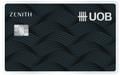
- Citi Prestige → UOB Zenith
- Citi PremierMiles → UOB PRVI Miles Elite
- Citi Rewards → UOB World
- Lazada Citi → UOB Lazada
- Citi Simplicity+ → UOB Simple
- Citi Cash Back Platinum → UOB ONE Platinum
- Citi Cash Back Gold → UOB ONE
- Citi Clear, Citi Rewards Platinum, Citi Choice, Citi Gold, Citi Silver → UOB Preferred
- Citi Business Platinum → UOB Platinum Business
Key Takeaways
- Most entry-level credit cards in Malaysia require a minimum annual income of RM24,000 and a minimum age of 21
- Paying only the minimum amount keeps your account active, but the remaining balance still accrues finance charges of 15% to 18% p.a.
- A 0% balance transfer can clear existing debt interest-free for 6 to 36 months, but only if you repay it before the promotional period ends
- Cashback caps and eligible spending categories matter more than the headline rate. A 5% cashback card with a higher monthly cap can earn you more than a 10% card with a low one
- RHB, CIMB and Maybank each offer different balance transfer terms, so compare current rates before applying rather than assuming a promotional rate is still running
- Citibank no longer issues credit cards in Malaysia. If you're still holding a Citi-branded card, contact UOB about your replacement
Compare Credit Cards in Malaysia
Finding the right credit card starts with understanding what you need from your card, whether it is cashback, rewards, travel benefits or lower fees.
Compare credit cards on RinggitPlus based on benefits, income requirements, fees and latest promotions. If you need help choosing a card, chat with the RinggitPlus Cards Assistant on WhatsApp at +603-9078 0880 or email [email protected].